
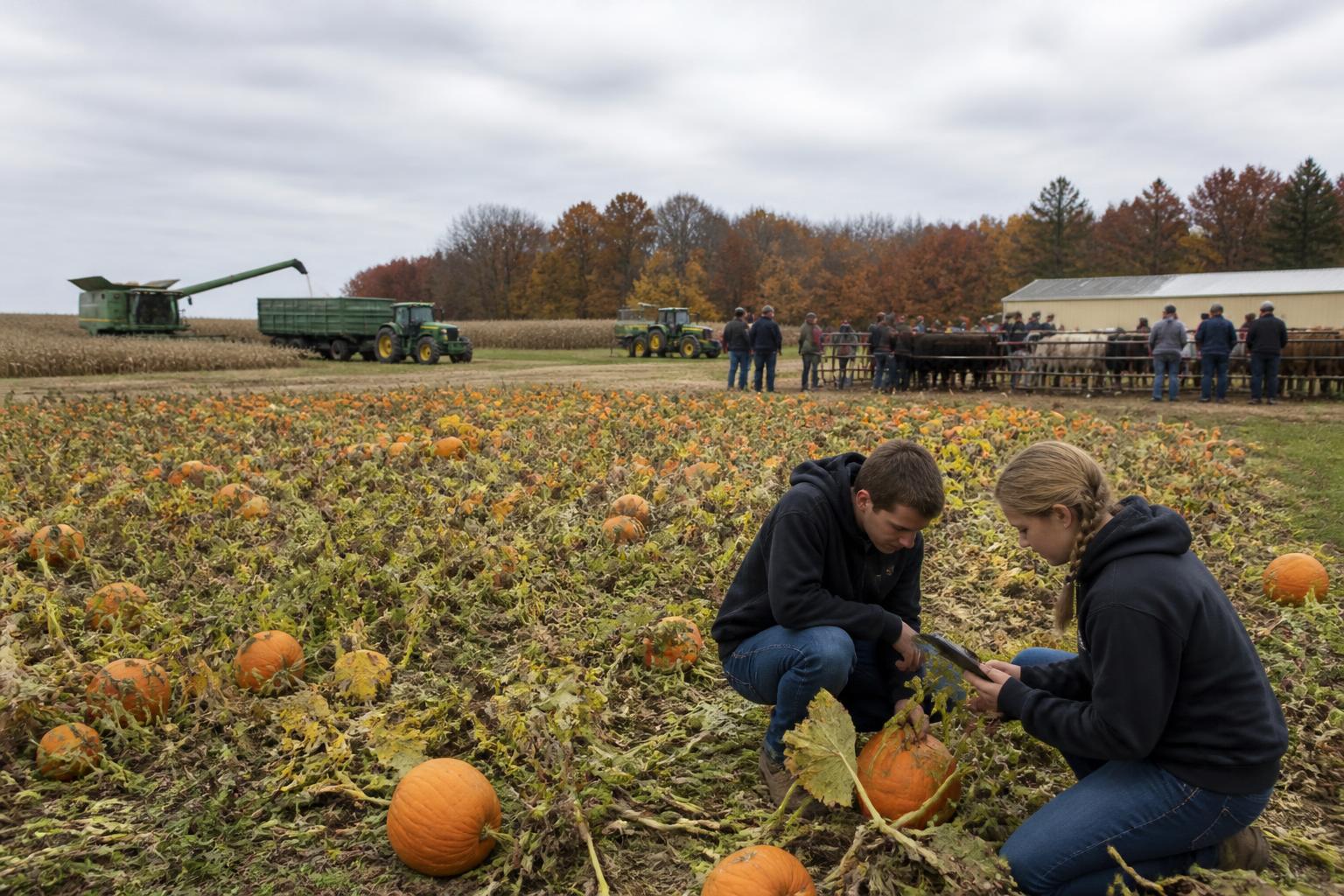
The State of Utah's Fall Logistics
As the fall season progresses, agricultural producers throughout Utah are concluding harvest operations. For many, this period serves as a critical window to assess current logistics bottlenecks and the reliability of transport corridors that move commodities from rural fields to regional processing hubs. Whether navigating the logistical challenges of grain storage or managing the volatility inherent in seasonal storage strategies, farmers are increasingly looking toward smarter operational management.
Community Impact and Resource Management
Beyond immediate logistical concerns, the Utah agricultural community has demonstrated strong internal support. Recent results from the Utah Junior Livestock Auction highlight an increase in charitable contributions to organizations like the Miracle of Agriculture Foundation. This uptick in support is essential for maintaining a resilient local supply chain, as producers continue to pivot their operations to meet evolving market demands and fluctuating overhead costs. Building stability through community-driven foundations often provides a buffer for the smaller, family-run operations that form the backbone of the state's sector.
Technology and the Future of Operations
Looking toward the future, the integration of smart agriculture technologies is becoming a focal point for the region. As industry and academic partnerships expand in the state to train the next generation of experts, there is an expectation that improved data usage will lead to better predictive modeling for logistics and input management. By investing in these advancements, growers may find more efficient ways to handle the complexities of modern land management and infrastructure maintenance across the varying topography of the state.
Key Takeaways
- Logistics remain a priority as producers finalize fall harvest transport.
- Community-backed foundations are providing a crucial safety net for livestock producers.
- Future efficiency gains are tied to both technological adoption and infrastructure investment.
What it means for the market: The current season reinforces the need for Utah producers to balance immediate logistical pressures with long-term capital improvements. While individual harvest success varies, the underlying trend is toward greater integration of professional, data-driven management and community-based support systems to navigate the remainder of the year.
Comments
No comments yet - be the first to share your take.