
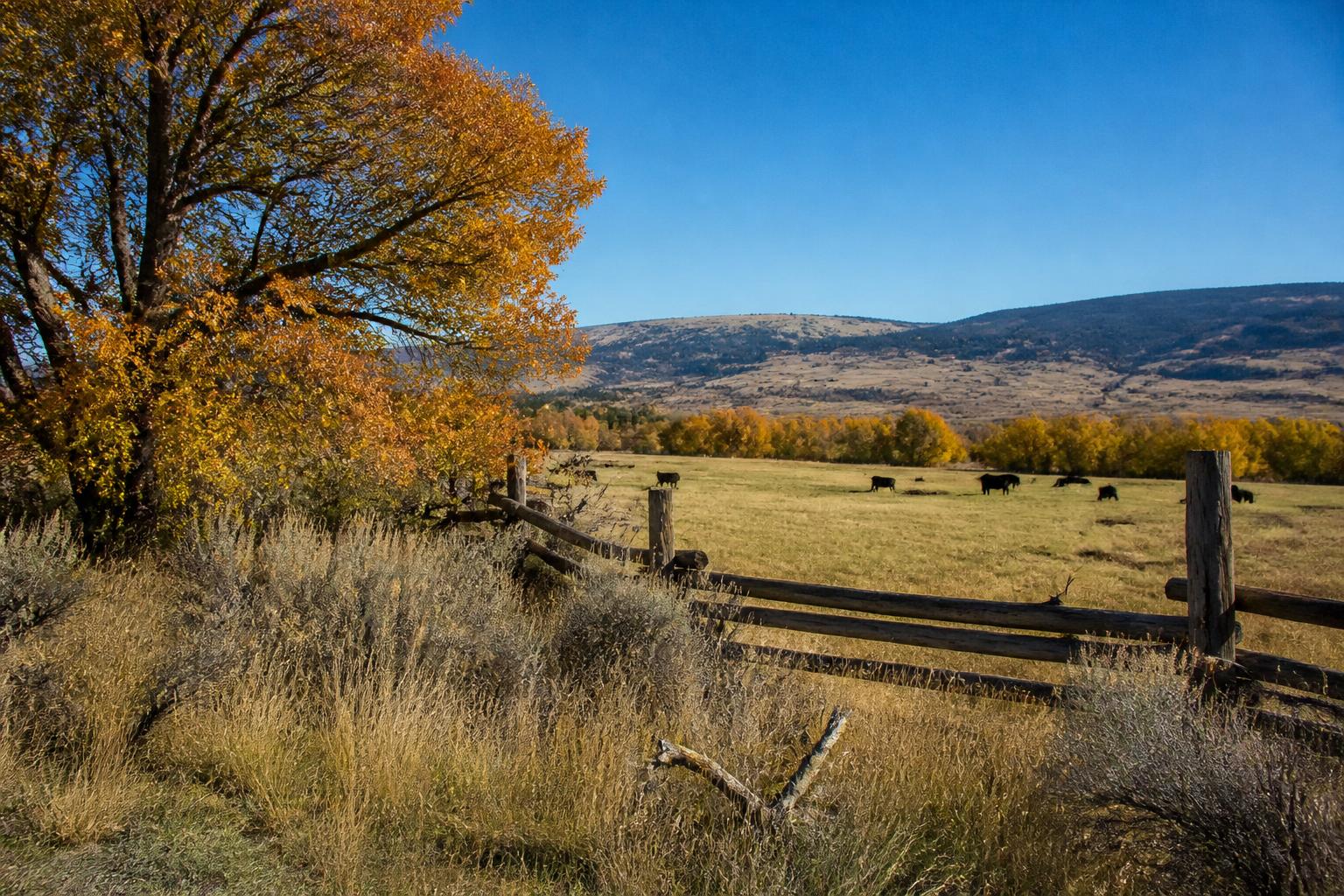
As Utah enters the final weeks of fall, agricultural producers across the state are shifting their focus from harvest logistics to long-term resource management. The recent protection of nearly 700 acres of historic ranchland in Box Elder County highlights a growing trend among local operators to utilize conservation easements as a tool for ensuring the viability of working lands. For family-run operations, these arrangements can provide a pathway to keep land in production while navigating the pressures of regional development.
Aligning Long-Term Land Use with Regional Trends
The decision to place large tracts of land under permanent protection often reflects a broader strategy among Utah producers to secure their operational base. As many ranchers look at soil health and water management strategies to maintain productivity, securing property titles against future fragmentation has become a central part of business planning. This shift in landscape management helps maintain the integrity of Utah's agricultural corridors, which are essential for supporting the infrastructure of regional producers.
The Role of Stewardship in Modern Ranching
Effective land management goes beyond property boundaries; it encompasses the proactive protection of natural resources. While international reports often highlight ag logistics and infrastructure priorities, the day-to-day reality for many Utah farmers involves implementing techniques that prevent degradation, whether through water retention, erosion control, or sustainable grazing patterns. By prioritizing stewardship today, producers may better insulate their operations against unpredictable seasonal shifts.
Integrating Sustainability into Your Business Model
For those considering long-term land protection, the market landscape in Utah is evolving. With grain storage strategies and market access remaining top of mind, integrating conservation easements can sometimes offer tax advantages or estate planning benefits. Working with local trusts and agricultural extension offices can provide the clarity needed to determine how these tools fit within a specific farm's unique financial and operational goals.
What it means for the market
For the broader Utah agribusiness sector, the prioritization of land conservation signals a shift toward stability over expansion. Producers who invest in securing their land base may find themselves better positioned to access credit and maintain consistent production levels, even as market volatility persists. As the industry looks toward the winter season, focusing on these foundational assets will remain a hallmark of successful, resilient Utah agricultural enterprises.
Comments
No comments yet - be the first to share your take.