
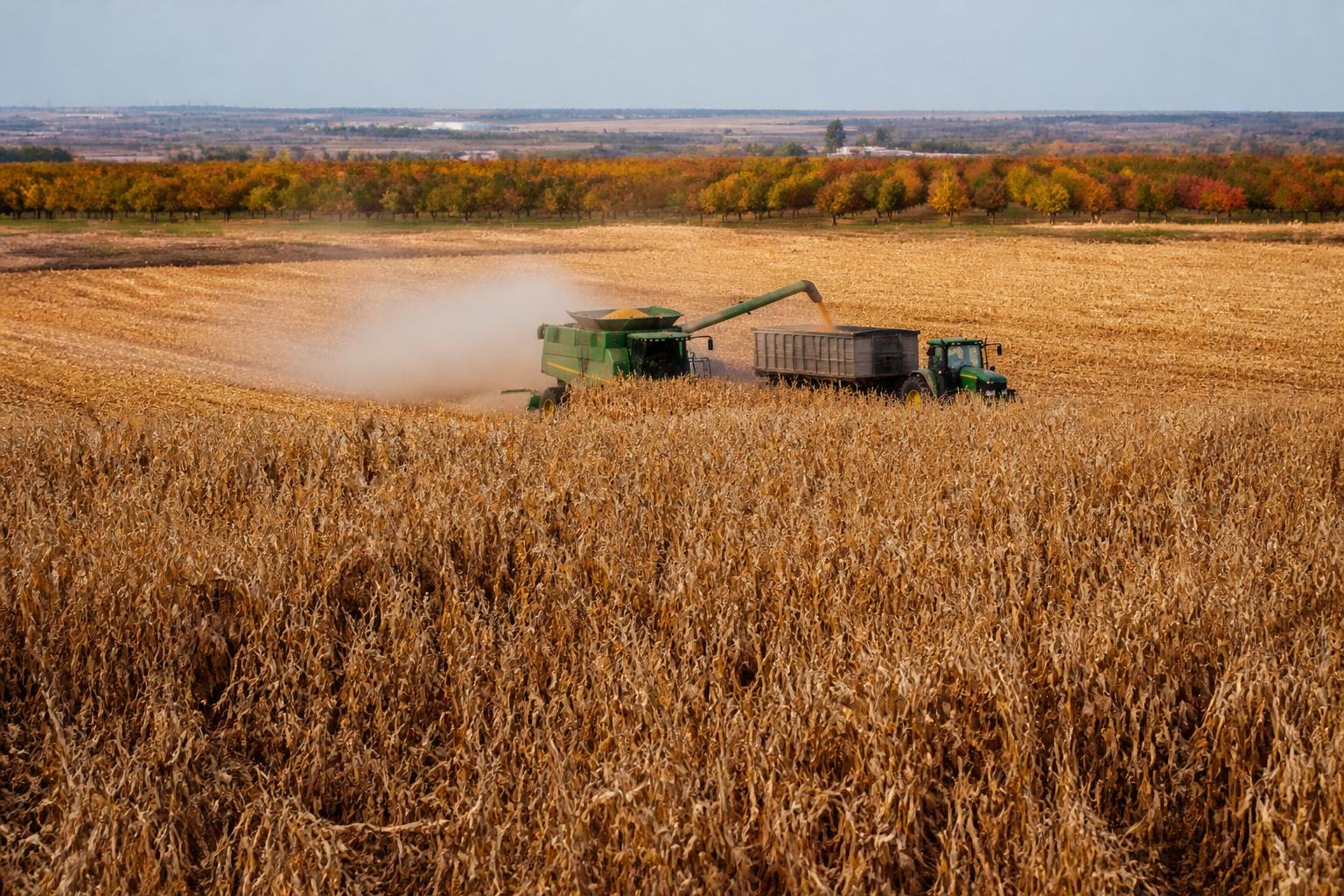
As Texas agriculture moves through the fall season, producers across the state are recalibrating their risk management strategies. With upcoming leadership changes within the Texas Department of Agriculture, there is a renewed emphasis on the agency's dual mandate: protecting the interests of the state's agricultural population while simultaneously ensuring the stewardship of its land. This transitional period often prompts producers to re-examine their participation in federal and state-level safety nets, particularly as market volatility remains a persistent concern.
Refining Risk Mitigation and Land Management
Recent developments underscore the importance of robust oversight and resource allocation. The state's investment in combating threats like feral hogs, through initiatives managed by the State Soil and Water board, highlights a practical commitment to protecting rural infrastructure. For many landowners, these programs are essential in mitigating yield loss and land degradation, which can otherwise escalate operating costs during tighter market cycles.
Furthermore, the increased integration of tools like SCO (Supplemental Coverage Option) and ECO (Enhanced Coverage Option) continues to play a significant role in federal crop insurance support. As these instruments gain wider adoption, they serve as vital components for producers navigating the evolving regulatory and crop risk landscapes that characterize modern Texas farming. Staying informed on the eligibility and application of these products is increasingly critical as producers finalize their management plans.
Technological Adoption and Resource Security
Beyond regulatory and policy shifts, the sector is seeing a steady, albeit cautious, adoption of new technologies. The expansion of autonomous systems, such as those seen in orchard and nut grove applications, offers a potential pathway to labor efficiency. Concurrently, the agricultural community remains vigilant regarding market security, especially following recent high-profile legal actions against fraudulent investment schemes that previously impacted the livestock sector.
Input procurement, particularly regarding fertilizers, remains a complex issue for Texas growers. With global market dynamics influencing domestic supply, many are monitoring whether increased demand will translate into stable pricing or if localized supply chain constraints will persist. Balancing these input costs against market-driven commodity projections is a primary task for operations preparing for the coming cycle.
What it means for the market
For Texas agribusinesses and producers, the current environment demands a heightened focus on risk exposure. Whether through utilizing updated federal insurance tools, securing land against environmental threats, or conducting thorough due diligence on service providers, proactive management is key. As new leadership begins its tenure, clear communication and engagement with agricultural oversight agencies will be essential to ensuring that the needs of the Texas producer remain at the forefront of policy development.
Comments
No comments yet - be the first to share your take.