
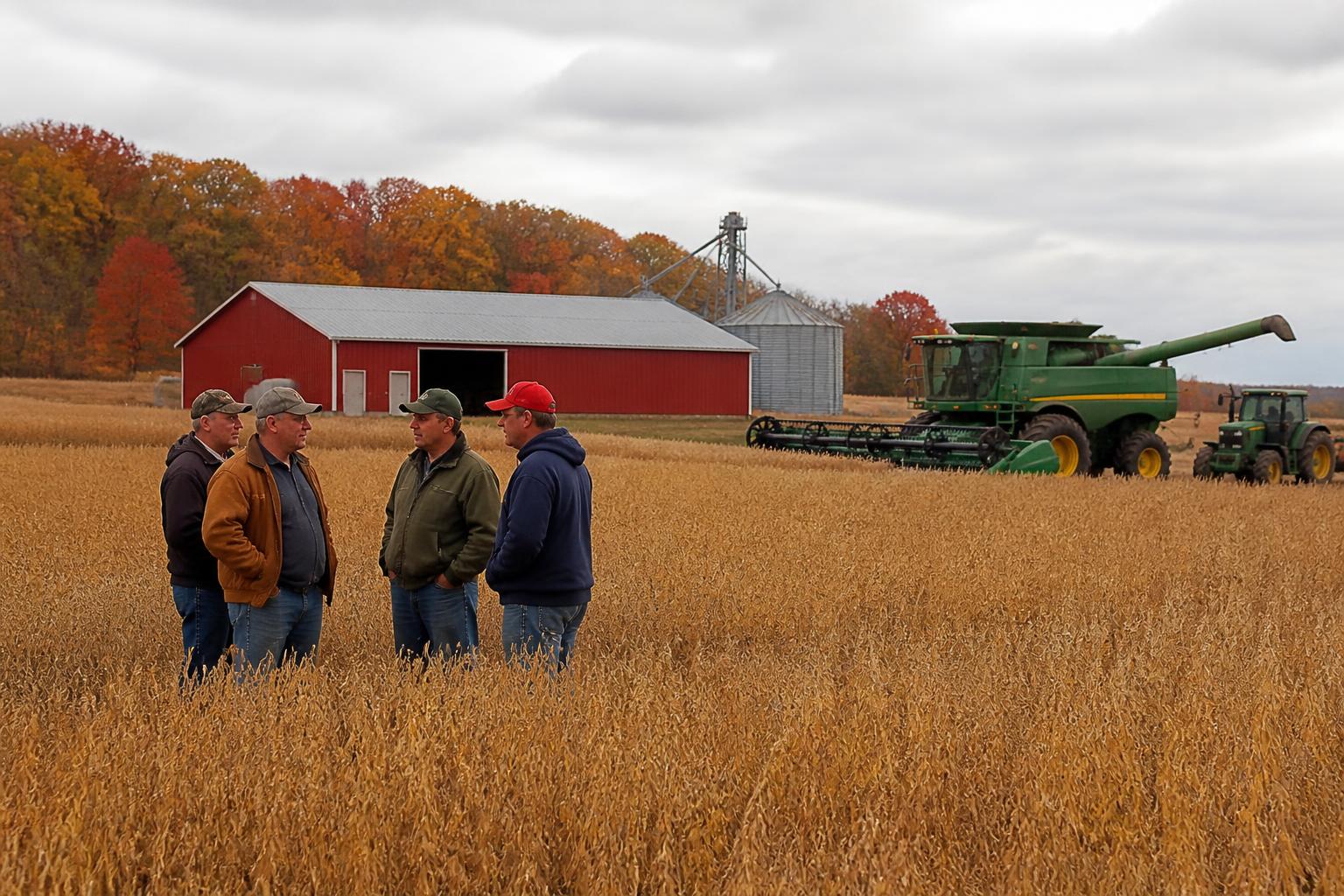
As Indiana farmers finish up their end-of-year fieldwork, the agricultural sector is shifting its focus toward legislative updates and long-term planning. With a federal agricultural spending bill recently introduced, producers are closely watching developments in Washington, D.C., as potential policy changes may influence the operating environment for the coming year.
Amidst the legislative uncertainty, local communities continue to prioritize the long-term vitality of the state's agricultural backbone. Educational initiatives remain a key focus, with recent grant announcements highlighting a commitment to building agricultural literacy and fostering future leadership across Indiana. These investments aim to strengthen the pipeline of talent needed to navigate the evolving demands of modern industry shifts and local production challenges.
Economic Trends and Consumer Costs
Market watchers are also analyzing current consumer-facing trends, noting that the cost of holiday provisions in Indiana has remained competitive when compared to national averages. This relative affordability reflects the efficiency of the local supply chain and the strong performance of Hoosier producers in delivering high-quality goods to regional markets.
For those looking toward the next production cycle, many are evaluating how to maintain margins in a volatile climate. Whether through exploring diverse crop rotations or strategic input management, producers are balancing caution with the pursuit of new profit opportunities that can provide a buffer against fluctuating commodity prices.
What it means for the market
The convergence of pending federal budget decisions and localized educational support paints a picture of an industry in transition. For agribusinesses and farmers, the current window is ideal for finalizing financial projections and securing necessary inputs. While macro-level legislative factors loom, the sustained focus on local agricultural education and competitive supply chain performance offers a stabilizing influence for Indiana producers heading into the winter months.
Comments
No comments yet - be the first to share your take.