
Georgia producers are navigating a period of significant value shifts as the Q3 2026 data highlights a notable rise in agricultural unit values. With the agricultural unit value index up 14.2% year-on-year, and livestock unit values surging by 25.1%, the economic landscape for the state's diverse farming operations remains dynamic. These shifts reflect broader market adjustments that influence how producers and regional agribusinesses manage their bottom lines during the transition into the late-year cycle.
As farmers across South Georgia prepare crops for incoming colder weather, the focus has shifted toward operational resilience and end-of-season logistics. Maintaining momentum during these seasonal temperature dips is critical for those managing late-harvested commodities or livestock oversight. Understanding these shifting supply chain pressures remains essential for maintaining profitability as regional markets react to these rising valuation trends.
Processing and Infrastructure Adaptations
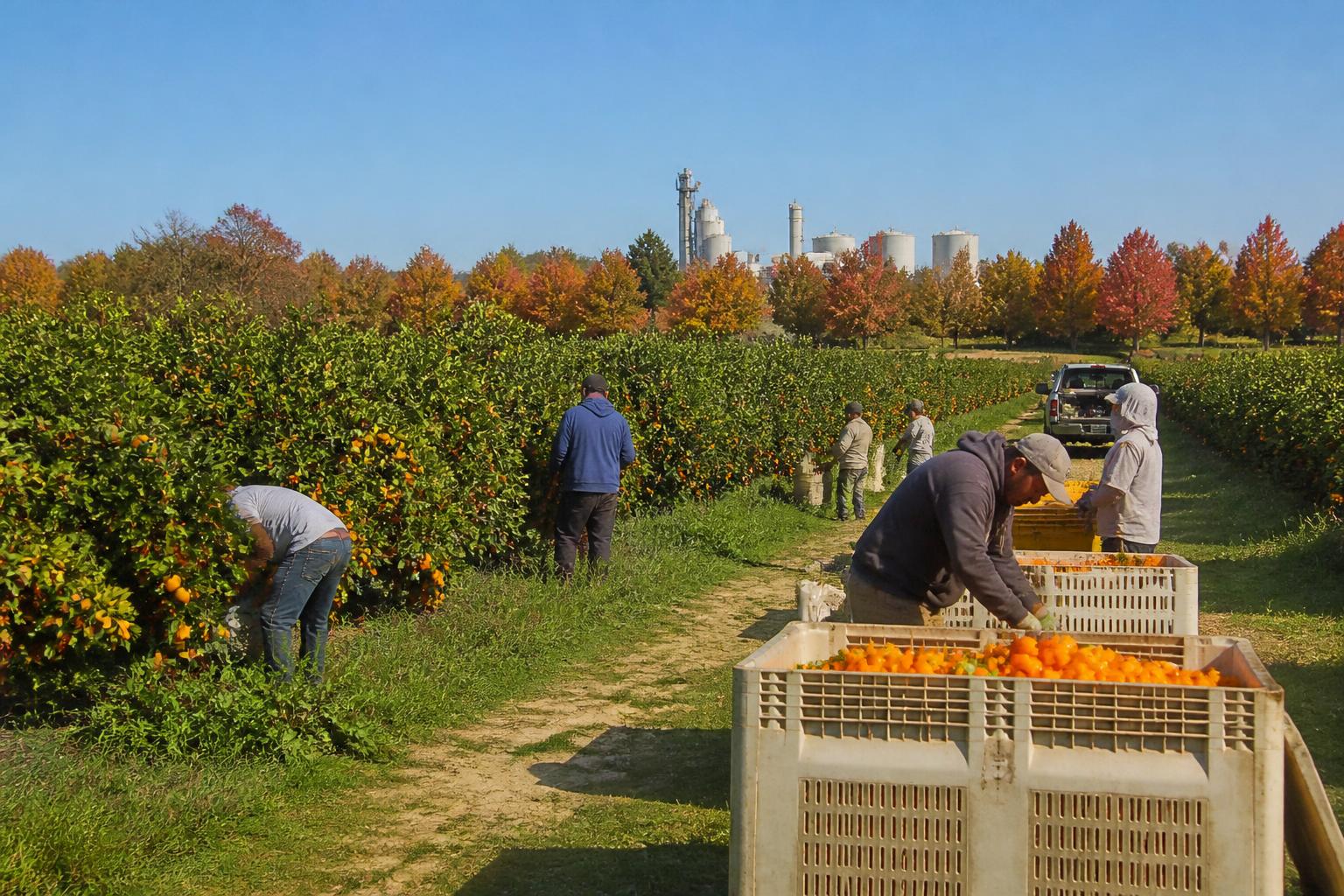
Infrastructure readiness continues to be a cornerstone of regional stability. In areas like the Adjara region, specialized facilities are now prepared to handle increased processing volumes for citrus, providing a vital outlet for growers. Such developments echo the ongoing efforts seen across the state to stabilize output and improve rail car and infrastructure efficiency. For many agribusinesses, the ability to rely on consistent processing capacity is a key safeguard against localized market volatility.
Planning for the Future
Looking beyond the immediate harvest window, producers are encouraged to keep a close watch on administrative deadlines. The USDA continues to emphasize the importance of timely crop acreage reporting, which serves as a foundation for effective policy participation. Engaging with recent industry forums and staying informed on logistics and grain flow dynamics can help operators better position themselves for the upcoming production year.
What it means for the market
The rise in unit values for both crops and livestock indicates a tightening market, likely requiring producers to prioritize cost-effective input management and high-efficiency logistics. As fall concludes and cold weather sets in, the combination of improved processing availability and rising value indexes suggests that those who can effectively manage their supply chain throughput will be best positioned to capitalize on current market strength.
Comments
No comments yet - be the first to share your take.