
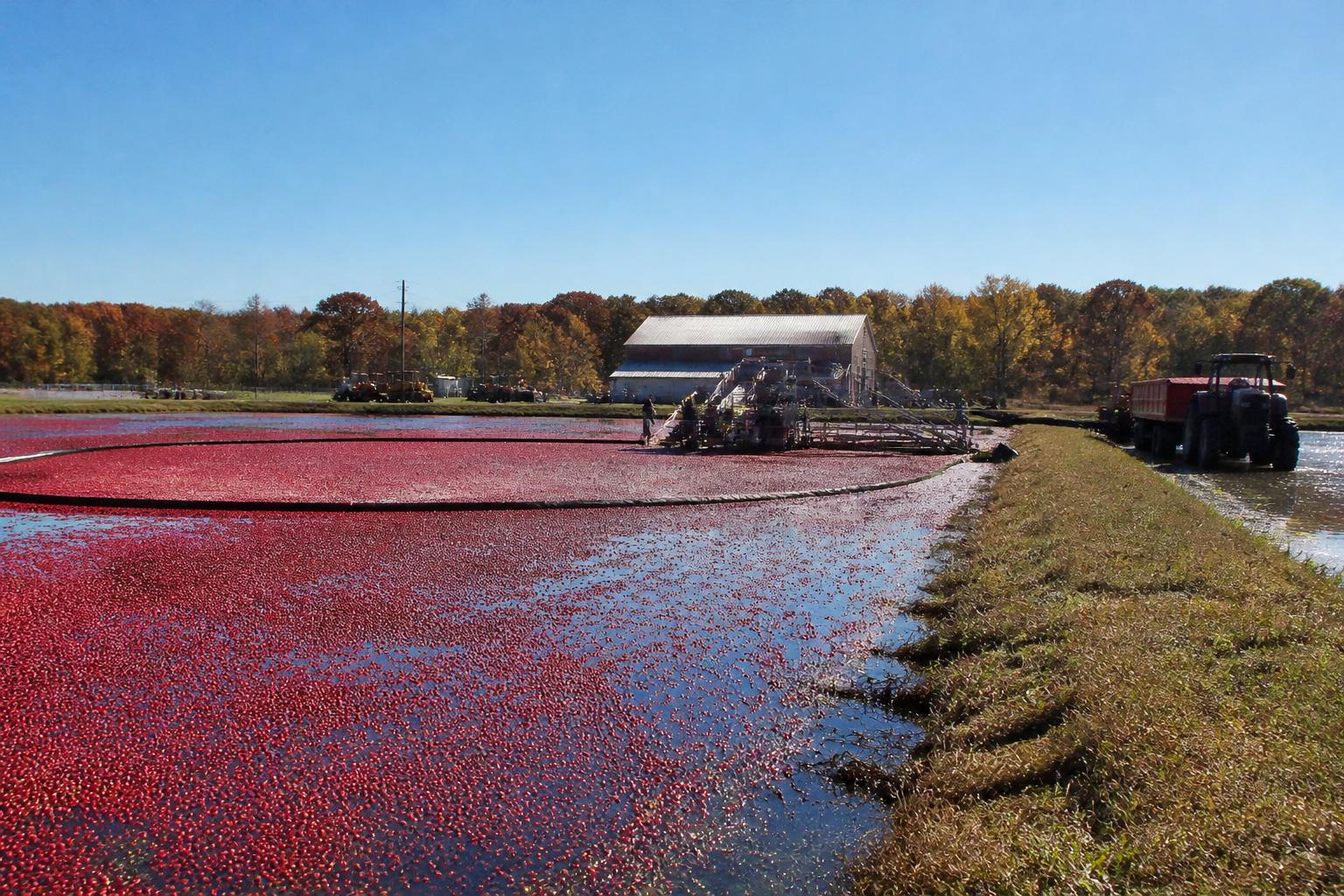
As the New Jersey agricultural sector settles into the late-fall rhythm, producers across the state are balancing traditional harvest logistics with significant shifts in labor compliance. While many farms in regions like the Pine Barrens and the Garden State's northern orchards wrap up seasonal activities, the broader industry is adjusting to recent federal rulings concerning post-harvest labor coverage.
Understanding the nuances of these changes is essential for maintaining efficient operations. For many operators, staying informed on current financial planning and regulatory compliance is a top priority as the calendar year draws to a close. These administrative requirements often run concurrently with the practical demands of protecting regional crops and managing seasonal infrastructure.
Regulatory and Labor Considerations
Recent developments in federal labor law have brought new attention to the classification of post-harvest workers. For large-scale packing facilities and diversified agribusinesses that handle processing, this shift may influence payroll management and operational strategies. Aligning with these standards early can help mitigate future risks, particularly as firms look toward the next production cycle.
Producers are encouraged to review their current hiring and employment models, especially those operating near major transit corridors where labor mobility is high. Developing a clear understanding of how these regulatory frameworks impact daily workflows is becoming a standard part of winter business planning for New Jersey growers.
Market Outlook and Regional Resilience
While the fall season typically shifts focus toward winterization and maintenance, the state continues to see activity in value-added goods and niche markets. Whether it is the tail-end of cranberry harvest or the preparation of seasonal retail outlets, the ability to pivot is a hallmark of the local agricultural community. Maintaining high-quality outputs despite changing market signals remains critical for long-term viability in the Garden State.
What it means for the market: Producers should prioritize audit-ready documentation and consider consulting with specialists to navigate the complexities of new labor guidelines. By integrating these compliance measures into current winter planning, agribusinesses can better position themselves for a stable transition into the new year, ensuring that operational resilience remains as robust as the local crop yields.
Comments
No comments yet - be the first to share your take.