
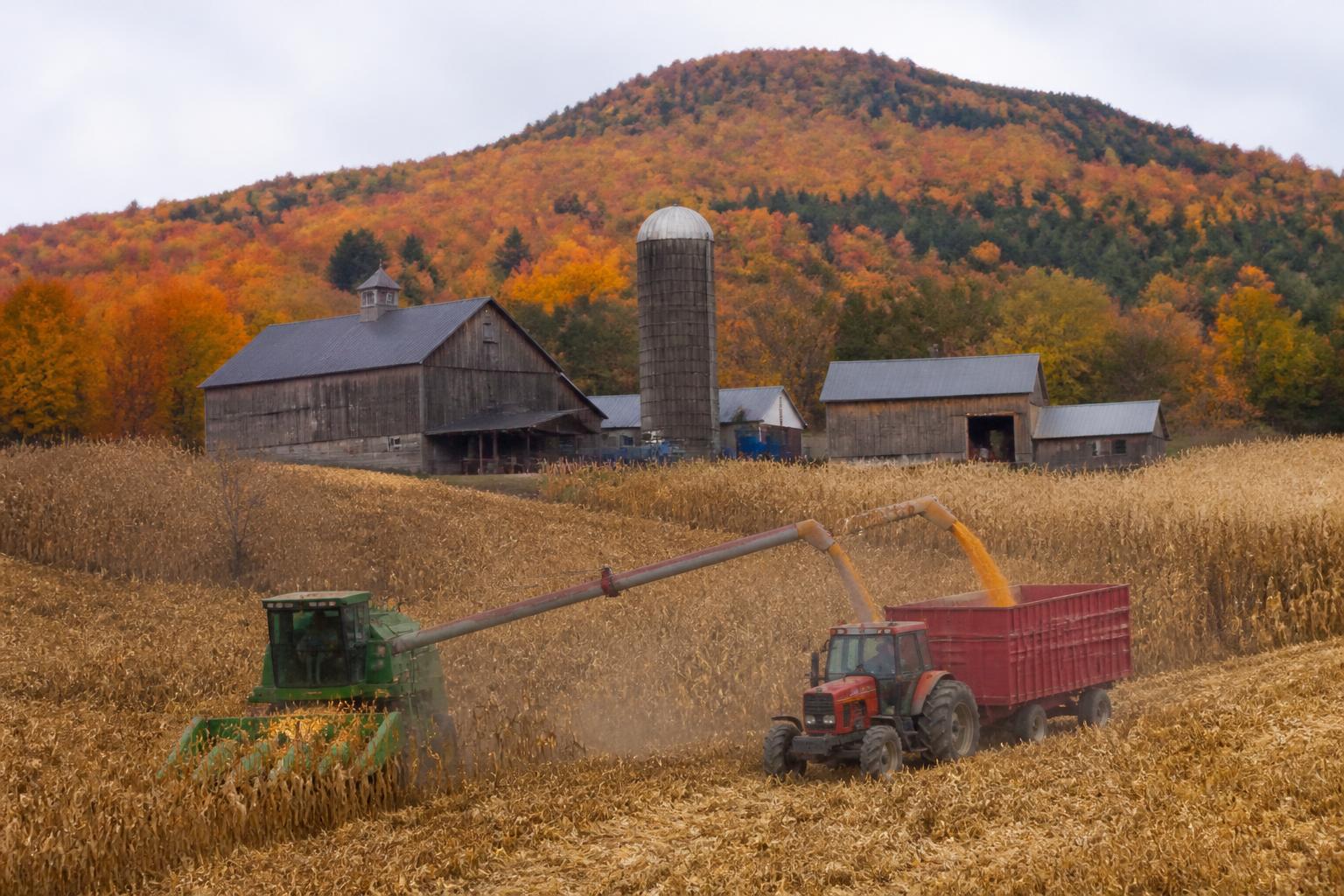
The Evolving Reality of New Hampshire Farming
For many producers across the Granite State, the current agricultural climate is defined by a delicate balance between a passion for the land and the harsh realities of modern business. While the desire to cultivate local food remains high, farmers are frequently faced with thin margins, high land costs, and the ongoing struggle to scale operations in a competitive regional market. These factors often necessitate a shift toward specialized production models to remain viable.
As we navigate late November, the focus for many operations shifts toward winter preparation and long-term planning. Ensuring that infrastructure is winterized while reviewing the season's financial performance is critical for maintaining long-term farm resilience. For those managing soil health and acreage, this is also a period where strategic conservation efforts become more prominent in operational planning.
Adapting to Economic Pressures
Success in the New Hampshire market often requires producers to look beyond traditional methods. Diversification of revenue streams, such as value-added products or direct-to-consumer sales, has become a standard approach for many small to mid-sized farms. Furthermore, as the state grapples with development pressure, the implementation of strategic conservation planning is helping families keep land in production for future generations.
Input buyers and grain handlers should note that while the state's agricultural scale differs from the Midwest, the necessity for efficient supply chains and local resource recovery is just as vital. Seasonal shifts typically bring unique logistical challenges, often requiring producers to maintain tight control over inventory and distribution costs as the year closes out.
What it means for the market
The New Hampshire agricultural market is transitioning into a phase of consolidation and increased specialization. Producers who can successfully integrate land stewardship with adaptable business models are better positioned to weather economic fluctuations. For agribusinesses, staying responsive to the needs of these local farms—rather than attempting to force a one-size-fits-all model—will be the key to supporting the regional food system through the winter months and into the upcoming planting season.
Comments
No comments yet - be the first to share your take.