
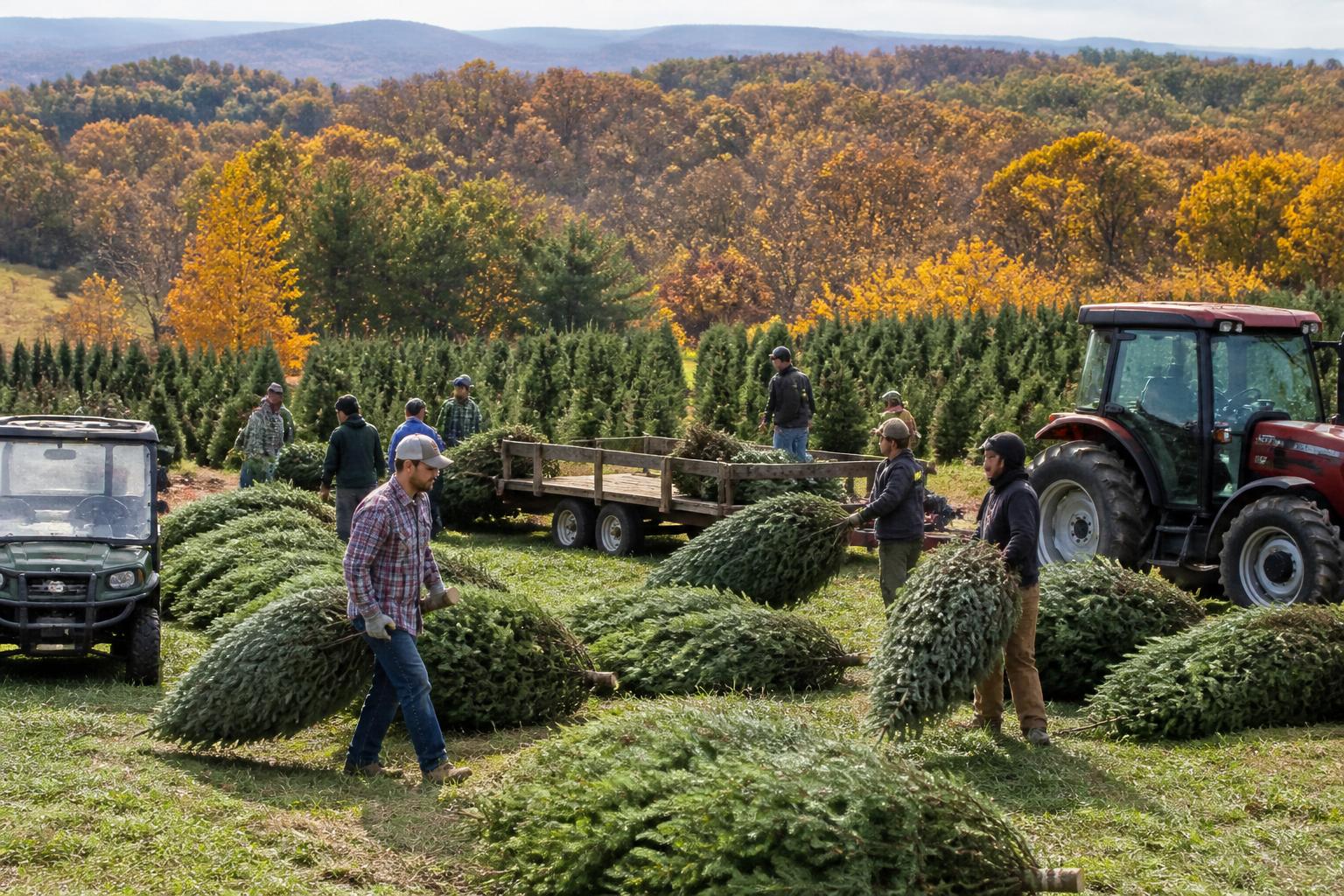
As we move through late November, North Carolina agricultural sectors are balancing the seasonal push of harvest activities with broader concerns regarding state supply chain stability. In the western reaches of the state, growers have seen a measure of relief as the Christmas tree harvest advances, providing a critical operational window following recent environmental disruptions.
Navigating Regional Logistics
Logistics continue to be a dominant theme for North Carolina agribusinesses. With local concerns regarding potential railroad mergers and their subsequent impact on grocery and freight pricing, producers and grain handlers are keeping a close eye on transport infrastructure. Reliable transit corridors remain vital for those moving seasonal grain flows effectively to market as year-end deadlines approach.
Field Management and Market Pressures
Outside of immediate transport hurdles, agronomic management remains a priority for the winter season. Recent data highlights shifting patterns in herbicide resistance for weeds like Italian ryegrass, prompting many growers to re-evaluate their input strategies for the upcoming cycle. Staying informed on market pressures and drought impacts is essential for farm managers as they balance input costs against expected yields.
As legislative discussions around the farm bill continue at the federal level, North Carolina operations are encouraged to monitor how these shifts might impact long-term rural development and support programs. For now, the focus remains on closing out the fall season with a focus on efficiency and long-term land stewardship.
What it means for the market
The current market environment suggests that North Carolina producers should prioritize logistics planning and input efficiency. By securing transport routes early and adjusting pest management plans based on emerging resistance patterns, agribusinesses can mitigate some of the uncertainties currently weighing on the broader agricultural economy.
Comments
No comments yet - be the first to share your take.