
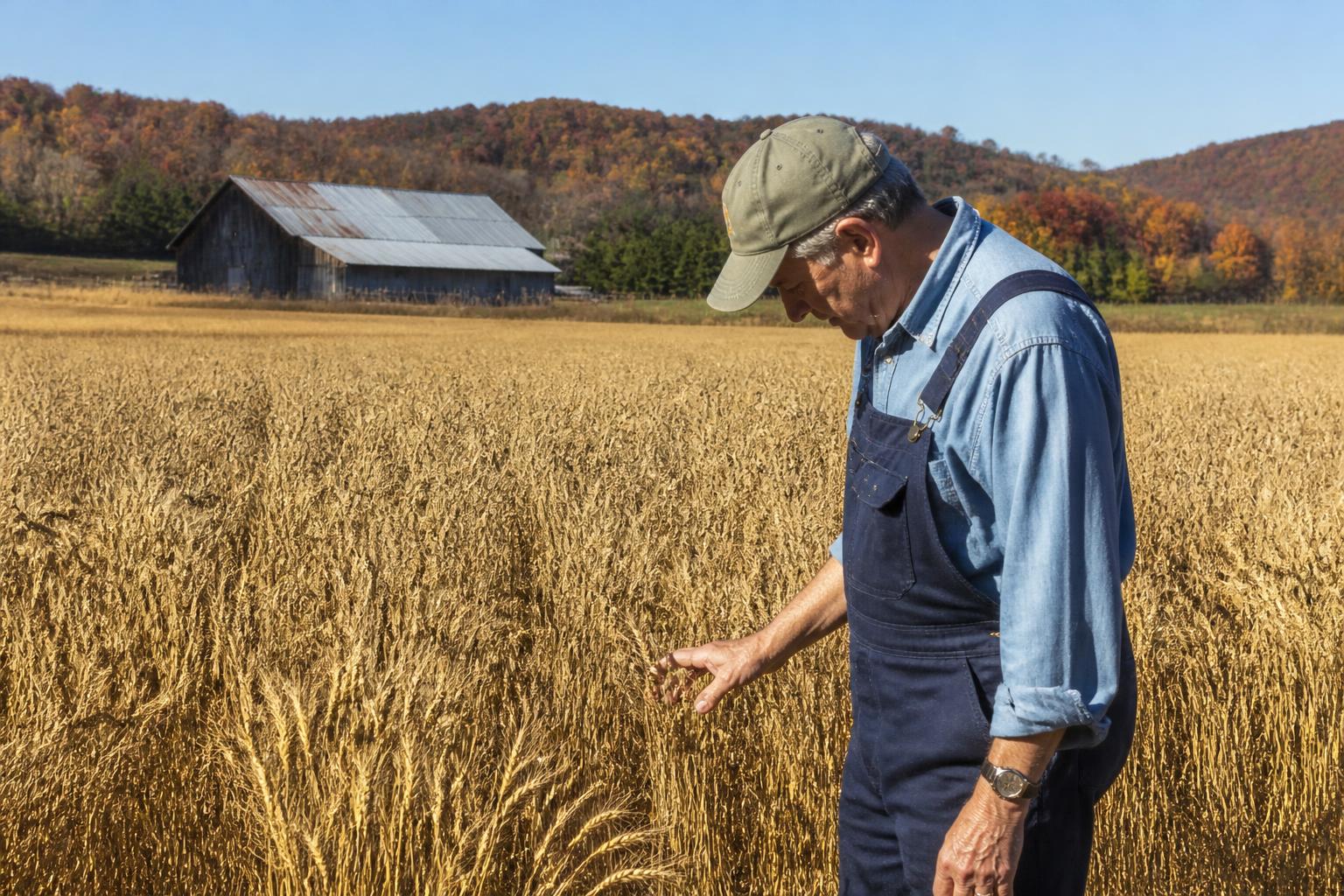
Focusing on On-Farm Storage Integrity
As the harvest season concludes across North Dakota, many producers are shifting their focus from field operations to the management of grain currently held in on-farm storage. Maintaining the quality of stored assets is critical as producers look toward future market windows. Ensuring that ventilation systems are operating correctly and monitoring for moisture accumulation remains a priority during these transitional months, as even minor lapses in stewardship can impact the final valuation of stored commodities.
Navigating Regional Supply Chain Dynamics
The logistics of moving product to market continue to evolve, with producers carefully assessing transport costs and regional infrastructure accessibility. For many, understanding local grain handling capacity and the reliability of regional transit corridors is a necessary component of planning for the months ahead. Efficient logistics are essential, as staying informed on shifting grain transport trends can directly influence how effectively operations manage their existing inventory.
Financial Preparedness and Operational Planning
As the calendar turns toward the end of the year, agricultural businesses are increasingly prioritizing financial and administrative due diligence. Whether evaluating new farm program participation or reviewing the status of current contracts, clear communication with lenders is often recommended to align seasonal cash flow with upcoming operational needs. Proactive management of these relationships is a cornerstone of success for maintaining long-term operational resilience in North Dakota's diverse agricultural climate.
What it means for the market
The current environment requires a steady hand on both the operational and logistical levers of the farm business. By prioritizing crop protection in storage and staying vigilant regarding local market volatility, producers can better position themselves to navigate the uncertainties of the winter months. Ensuring that all administrative and insurance records are accurate remains an essential safeguard for the stability of the enterprise as the industry moves out of the primary harvest season.
Comments
No comments yet - be the first to share your take.