
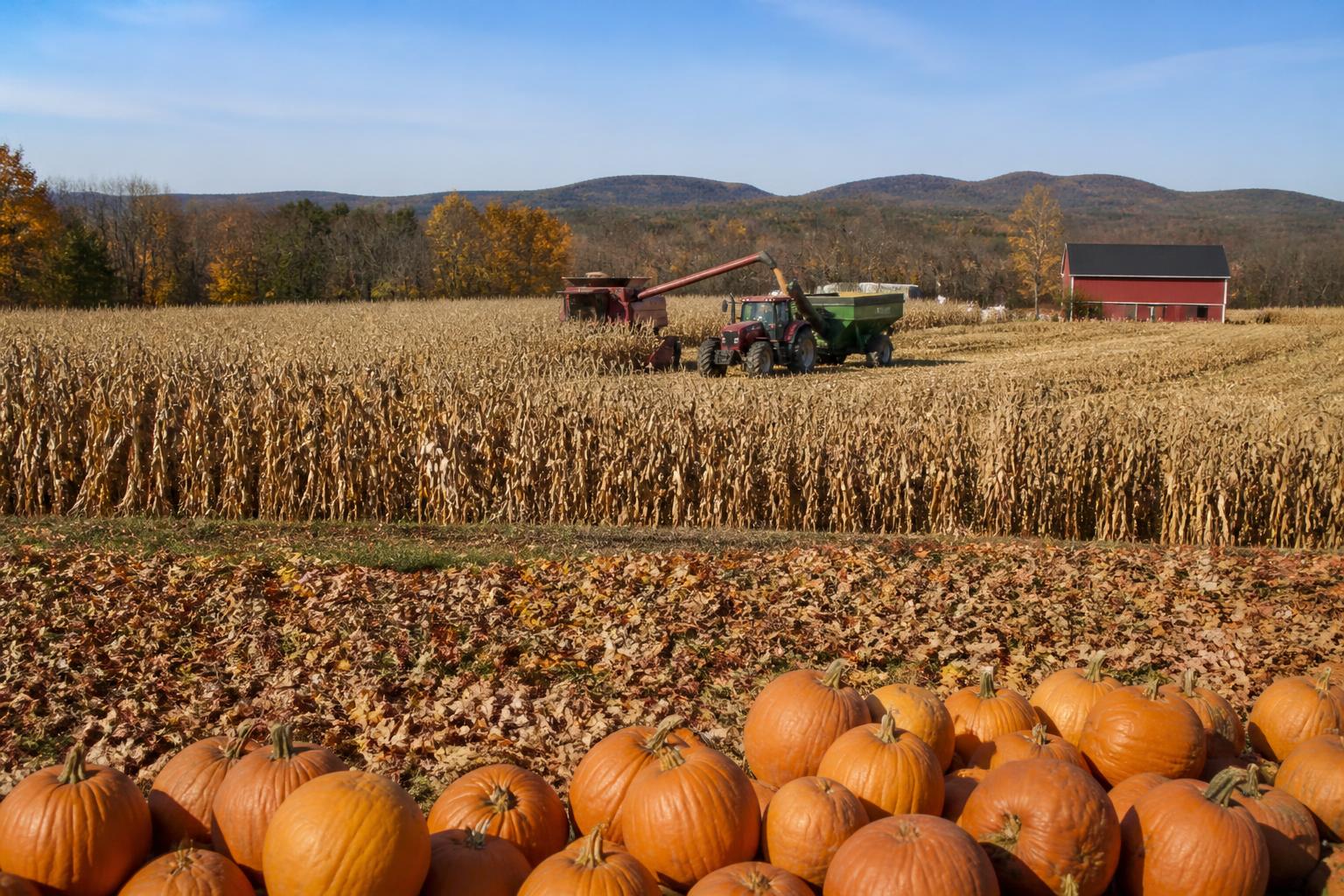
With the fall season in full swing, Arizona agricultural operations are shifting their focus toward maximizing late-season efficiency. For producers and carriers across the state, particularly in the fertile regions stretching from Yuma to Pinal County, maintaining steady throughput is critical as harvest cycles align with heightened seasonal transit volumes.
Logistical fluidity remains a top priority for those navigating regional corridors. Efficient coordination along major transit arteries helps mitigate the typical bottlenecks often seen during peak harvest phases. For a deeper look at the operational strategies currently being utilized to manage these flows, check out our recent guide on Arizona Ag Logistics: Managing Post-Harvest Flow and Regional Transit.
Global Market Influences on Local Supply Chains
While local logistics often dominate the daily agenda, international market conditions continue to cast a long shadow over domestic pricing. Recent reports indicate that global agricultural export prices may face significant downward pressure in the coming seasons. For Arizona exporters who rely on stable international demand, these shifts highlight the importance of diversifying market reach and optimizing internal storage and handling costs.
Infrastructure and Operational Resilience
Investment in fixed capital remains a key theme for agribusinesses looking to hedge against market volatility. In many parts of the state, firms are focusing on infrastructure improvements to enhance reliability. Whether it is updating sorting facilities or bolstering local storage capacity, the goal is to ensure that Arizona products remain competitive regardless of fluctuations in the broader global commodities landscape.
What it means for the market
The current environment requires a dual focus: maintaining lean and agile local logistics while keeping a watchful eye on international price trends. By staying informed on both regional transit nuances and broader shifts in global trade, Arizona agribusinesses can better position themselves to absorb potential price declines and maintain robust margins throughout the remainder of the year.
Comments
No comments yet - be the first to share your take.