
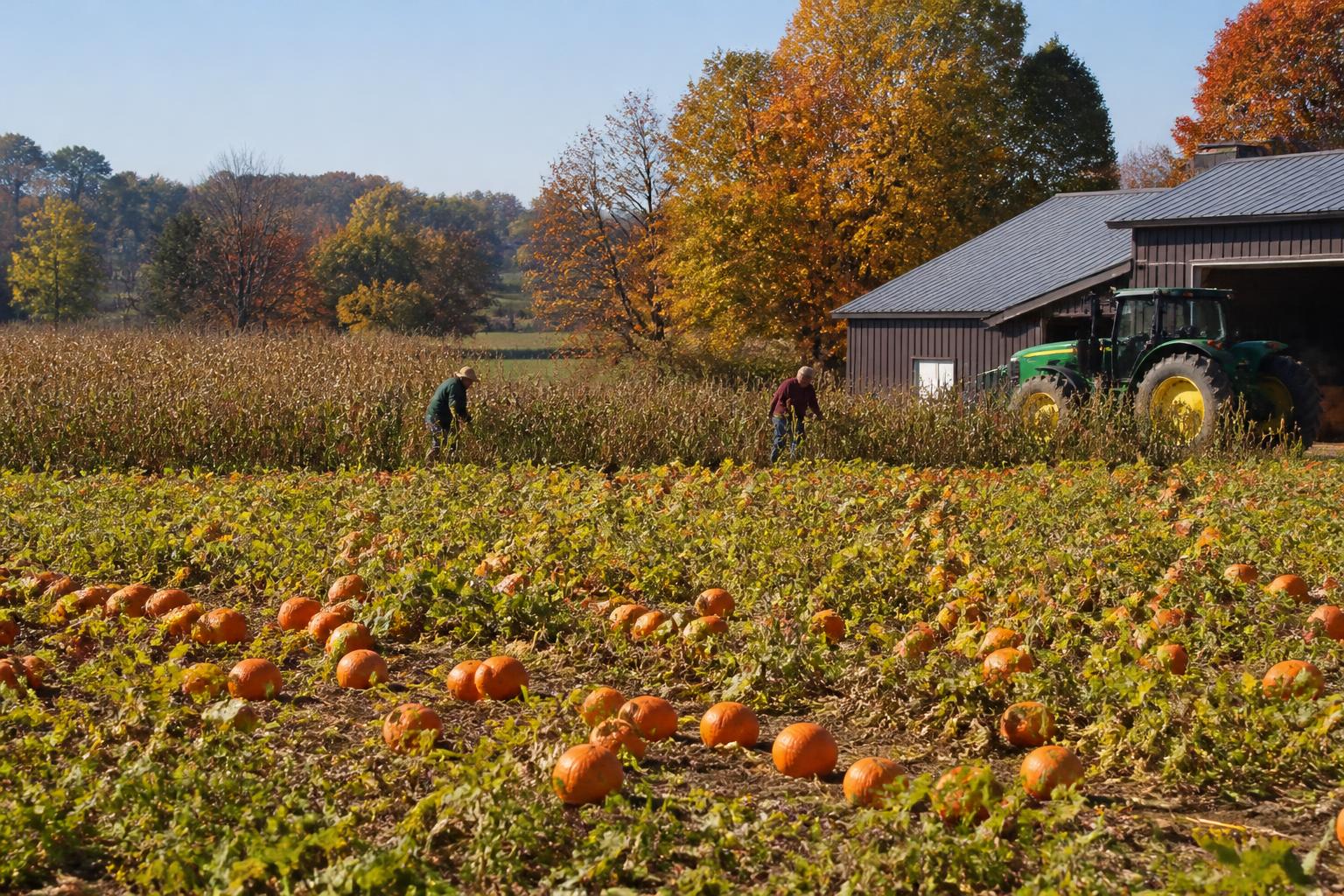
Equipment Market Adjustments
As the fall harvest season winds down across Kentucky, producers and agribusinesses are monitoring broader shifts in the machinery market. Recent industry outlooks suggest that demand for farm equipment remains tempered as we head toward the close of 2026. For many local operations, this period of cooling demand often coincides with a re-evaluation of capital expenditures, as farmers weigh the costs of new fleet upgrades against current commodity price volatility.
Local Investment and Infrastructure Support
Despite a more conservative approach to new equipment purchases, Kentucky is seeing targeted support for regional agricultural development. The state recently approved funding for various farm projects, representing a meaningful capital injection aimed at bolstering the resilience of local food systems. Such investments often provide a vital cushion for mid-sized operations that are essential to the state's diverse agricultural landscape.
Expanding Market Access for Producers
In addition to broad infrastructure support, specific efforts are underway to bridge the gap between rural producers and local consumers. Recent grant initiatives in regions like Owensboro underscore a growing focus on connecting cattle farmers directly to retail markets. For producers looking to optimize their supply chain, these developments offer a glimpse into how decentralized, local market access can complement traditional commodity sales. Those refining their operational strategy may find it helpful to review recent management strategies for year-end as they balance these new opportunities with seasonal financial goals.
Building for the Future
With educational and professional development programs, such as upcoming agricultural conferences, taking center stage, Kentucky farmers are positioning themselves for a transition into the next production cycle. These gatherings are often key for identifying efficiencies in grain storage and logistics, topics that remain critical for navigating regional logistics effectively. As winter approaches, the focus is shifting from field work to administrative planning and long-term capital allocation.
What it means for the market: The current environment in Kentucky is one of cautious fiscal management regarding equipment, balanced by robust support for localized agricultural projects. For agribusinesses and farmers, this indicates a period where operational efficiency and participation in local value-added chains may provide more stability than aggressive capital expansion.
Comments
No comments yet - be the first to share your take.