
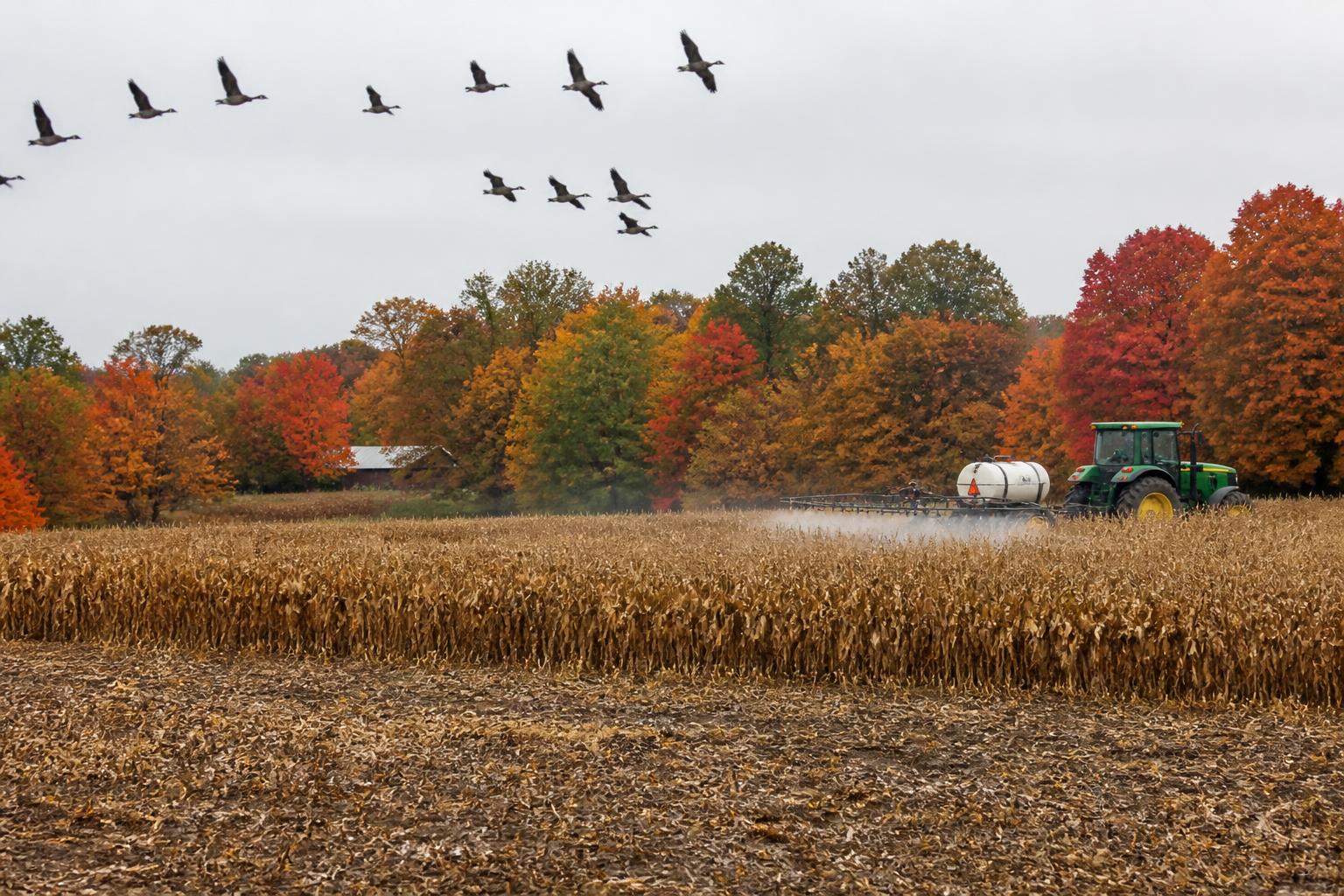
With the primary fall harvest winding down across North Carolina, regional agribusinesses and producers are turning their attention toward supply chain stability for the coming season. As logistics networks clear from peak grain movement, current conditions present an opportunity for growers to audit their input needs and coordinate with local suppliers before the winter lull.
Efficient inventory management remains critical for North Carolina farms as they balance seasonal field work with procurement timelines. For many, this involves evaluating new chemical tools and fertilizer requirements to ensure that necessary resources are positioned well ahead of the spring planting window. As noted in recent industry updates on seasonal input planning, proactive coordination with local elevators and chemical distributors can mitigate potential delivery delays as global production cycles continue to evolve.
Aligning Logistics with Regional Demand
The North Carolina agricultural landscape, spanning from the fertile Coastal Plain to the Piedmont, relies heavily on the steady movement of goods. Following a demanding harvest season, the current period allows for a necessary reset in transport planning. Whether moving bulk inputs to central storage or managing specialized equipment transit, aligning logistics with available regional capacity is a top priority for agribusiness operators.
Understanding the interplay between local logistics and broader market shifts is essential for managing overhead costs. Growers are encouraged to review the current logistics outlook for North Carolina to better anticipate potential bottlenecks that may arise as industry partners recalibrate their operations for the new year.
Building Resilience in Procurement
In addition to immediate infrastructure needs, the focus on food resilience and long-term agricultural sustainability remains a central theme for producers. Engaging with regional partnerships and monitoring seasonal grain flow data can provide a clearer picture of how infrastructure capacity might influence the availability of essential inputs, such as herbicides and seed treatments, as they hit the market.
What it means for the market: For North Carolina farmers and agribusinesses, the current window is ideal for securing essential inputs before year-end fiscal and logistical constraints materialize. Prioritizing clear communication with your freight providers and input suppliers now can help ensure that you remain ahead of the curve as the industry moves toward 2027 preparation.
Comments
No comments yet - be the first to share your take.