
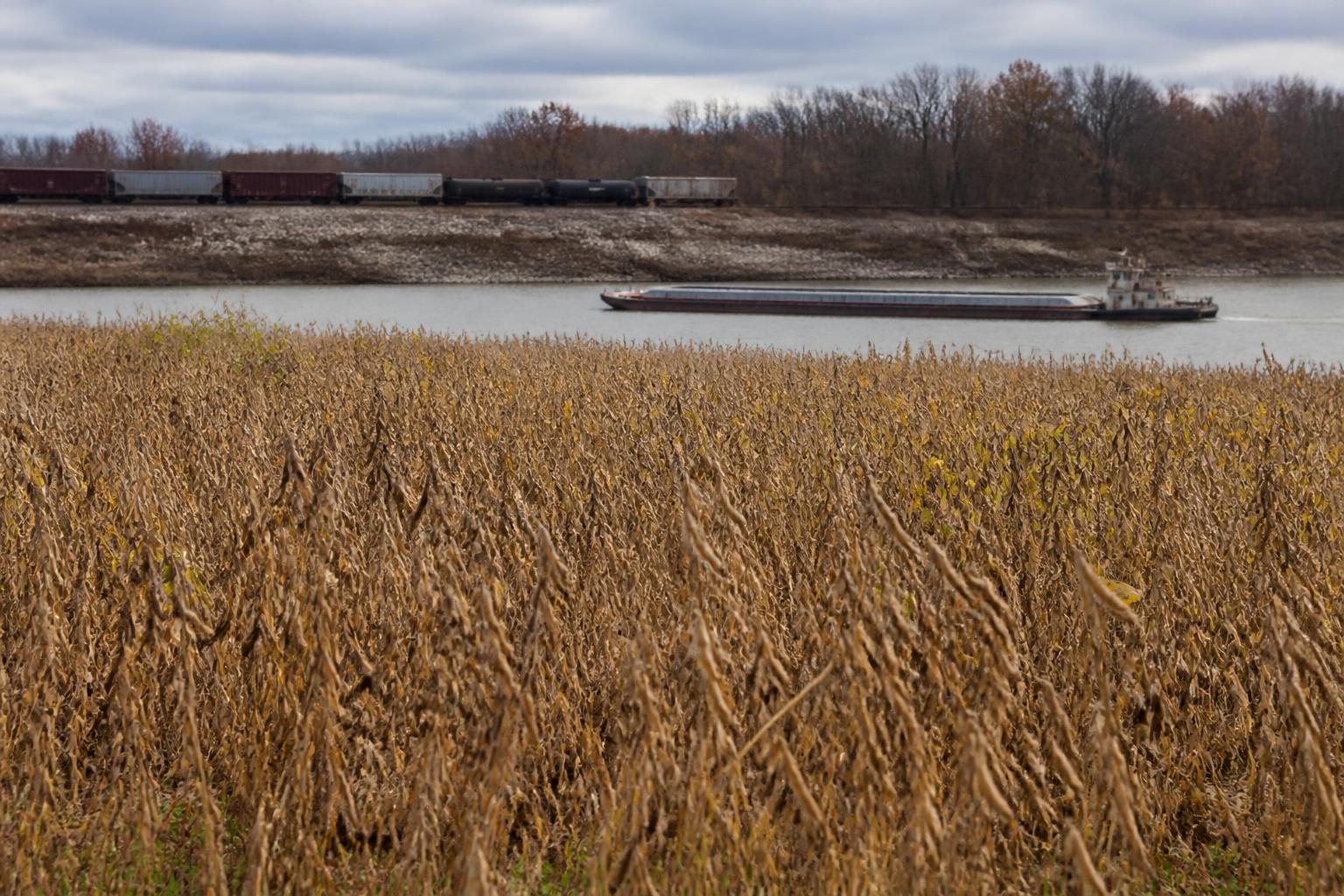
The U.S. agricultural supply chain is experiencing a period of intense pressure as rail and barge performance remains central to export competitiveness. Recent data indicates a shift in freight dynamics, with rail volume climbing 4.7 percent, largely driven by surging intermodal activity. While these figures highlight broad economic movement, agricultural producers and grain elevators continue to monitor how this demand competes with bulk grain shipments.
Reliable infrastructure remains the backbone of getting domestic commodities to global markets. As explored in recent logistics planning updates, anticipating these shifts is vital for managing margins during peak shipping windows.
Infrastructure Strains and Competitive Pressures
Grain exports are facing a dual challenge: rising costs and aging inland waterway infrastructure. Operators on the Mississippi and other major river systems are contending with the long-term reality of aging barges, which may impact transit efficiency and increase operational costs for handlers. These logistical bottlenecks often create ripple effects for grain elevators that rely on low-cost barge transit to reach export hubs.
Simultaneously, the regulatory landscape for rail transit remains a focus for major industry groups. Concerns surrounding potential rail mergers continue to draw attention from the farming community, with advocacy organizations urging regulators to prioritize competition and service reliability to prevent monopolistic pressure on agricultural shippers.
Global Market Growth and Forward Planning
While domestic logistics remain complex, the U.S. Soybean Export Council is actively working to open new demand channels in Africa and southeast Asia, specifically targeting aquaculture sectors. For the domestic operator, this reinforces the need for a lean and responsive supply chain. Staying ahead of port congestion and diesel price fluctuations is critical for managing the export flow effectively as these international markets expand.
What it means for the market
Farmers and agribusinesses should prepare for continued volatility in freight costs through the winter months. With rail volume on an upward trajectory, securing capacity well in advance and maintaining close communication with local transit providers may help mitigate the risks posed by aging river infrastructure and potential service delays at major hubs.
Comments
No comments yet - be the first to share your take.