
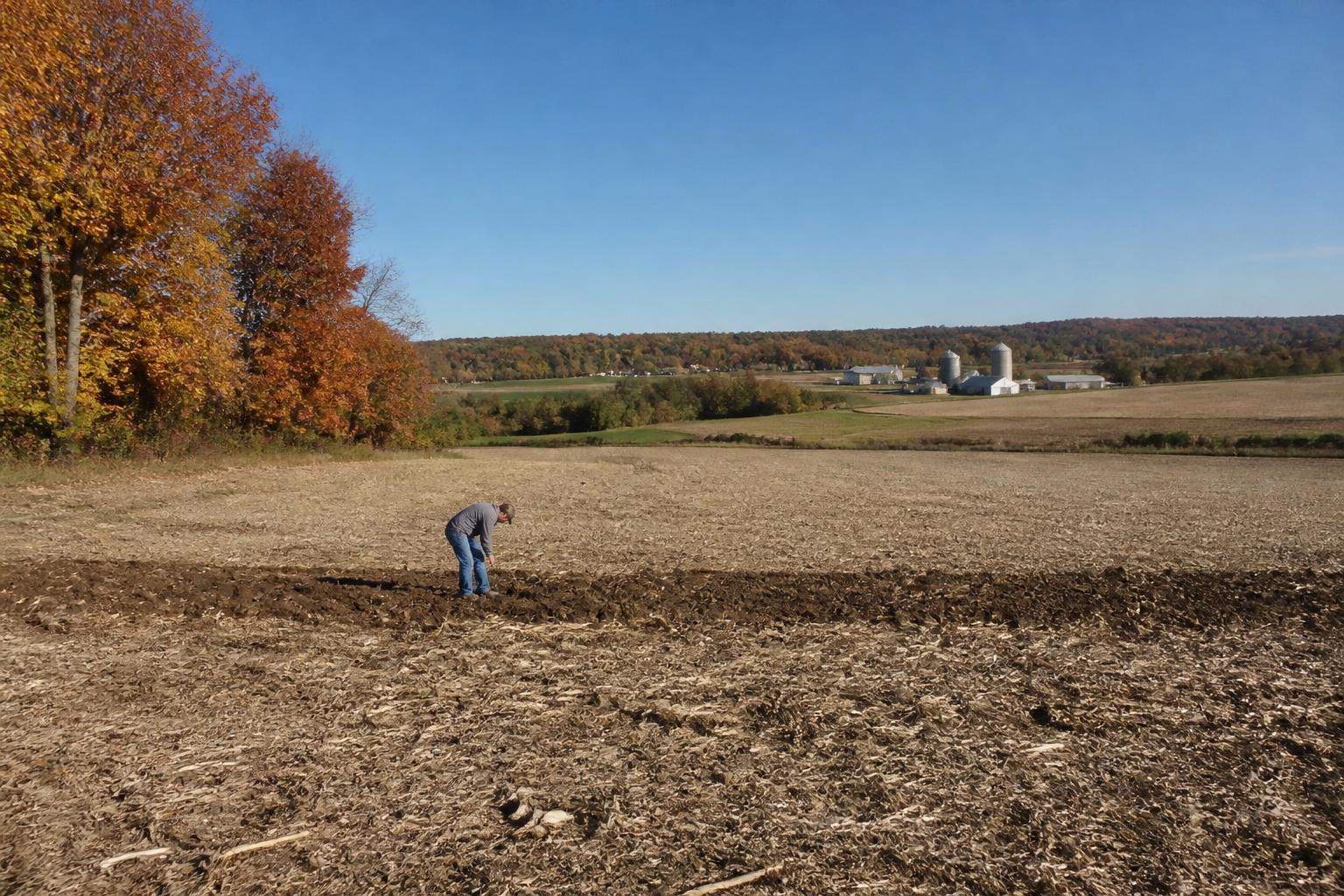
With the autumn harvest season winding down across many of Arizona's agricultural hubs, the focus for local producers and handlers has shifted to the efficient movement of remaining yields. Whether hauling goods toward major distribution centers or preparing commodities for inter-state transit, maintaining a steady pace in your logistics strategy is vital as the year draws to a close.
For those managing the flow of produce and grain, the transition from field to terminal often requires close coordination with regional carriers. Understanding modern processing and market forecasting can help operators anticipate potential bottlenecks that often arise during late-season volume spikes. Efficient routing and proactive communication with freight partners remain the best tools for keeping costs manageable.
Refining Seasonal Logistics
As transit patterns adjust for the winter months, many in the industry find that anticipating seasonal shifts and supply chain trends is critical for protecting margins. In areas near major corridors, traffic patterns can be less predictable, necessitating more flexible scheduling for grain shuttles and produce trucks alike. Keeping a watchful eye on infrastructure performance helps ensure that your supply chain stays resilient regardless of broader market fluctuations.
Focusing on Infrastructure and Trade
Beyond the local farm gate, Arizona's position as a key node for agricultural movement relies on maintaining strong links to both domestic and international channels. Whether managing cross-border trade and seasonal flux or simply coordinating regional delivery windows, the ability to pivot when logistics assets are constrained is a competitive advantage. Prioritizing well-maintained equipment and reliable carrier networks can prevent unnecessary delays as the season transitions toward winter.
What it means for the market
For Arizona agribusinesses, the current period represents a time to solidify logistics partnerships and review year-end transport performance. While harvest activity slows, the complexity of moving stored inventory and coordinating inputs for the next cycle continues. By focusing on operational efficiency and maintaining clear lines of communication with transit partners, operators can better navigate the upcoming shifts in the regional agricultural economy.
Comments
No comments yet - be the first to share your take.