
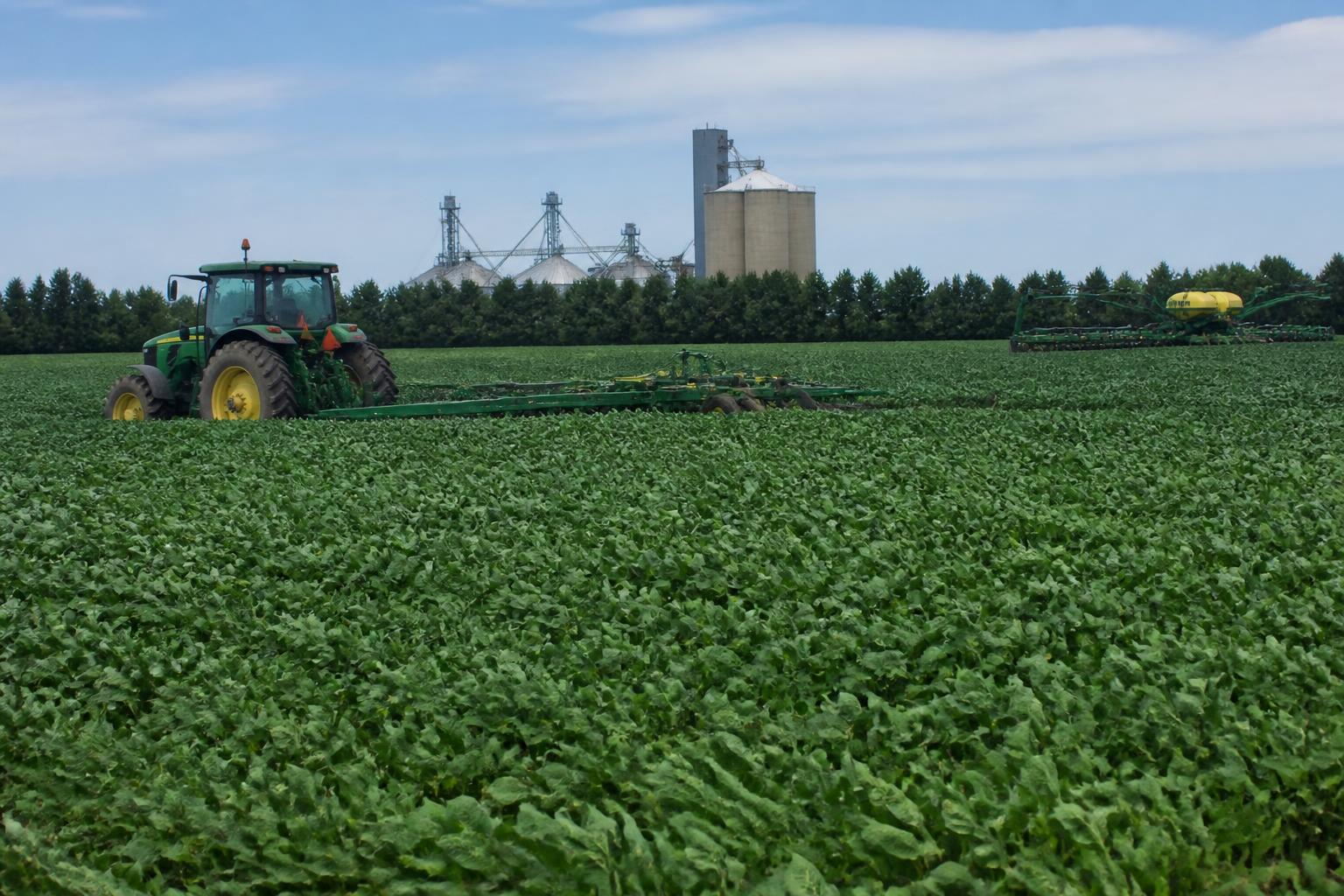
Louisiana grain handlers and shippers are monitoring a busy summer export market at the Gulf, where recent USDA AMS reports indicate steady activity. Late June 2026 data shows that soybean export bids are continuing to outshine corn and wheat, providing a bright spot for producers along the Mississippi River corridor. For local growers navigating seasonal logistics, these export bids offer a critical signal for crop marketing plans.
Soybeans Lead Gulf Export Bids
According to the latest USDA export bid reports for late June 2026, soybeans have captured the spotlight at Louisiana and Texas port markets. Bids for soybeans have consistently topped corn and wheat, reflecting robust international demand and active shipping schedules. Local grain elevators along the lower Mississippi River are responding to these price movements by adjusting their local cash bids, encouraging growers to evaluate their remaining old-crop storage.
To better understand how these bids influence local river terminals, producers can look to recent shifts in Louisiana grain markets and summer export bids, which highlight the close connection between Gulf terminal demands and inland cash prices.
Logistics and River Corridor Pressures
Barge transportation remains the lifeblood of Louisiana's grain export pipeline. During the hot summer months, maintaining consistent draft depths and managing shipping container availability can complicate transport. This summer, grain handlers are balancing these physical logistics against high input costs and fluctuating freight rates along the river.
Operational efficiency is key for local elevators trying to capture Gulf premiums. Many commercial operations are closely tracking transport schedules to minimize demurrage and maximize throughput. For a deeper look at the operational environment this season, see our analysis of navigating Louisiana grain and logistics under river corridor pressures.
Climate-Smart Agriculture and Conservation Efforts
Beyond the immediate logistics of the shipping lanes, Louisiana producers are increasingly recognized for their leadership in conservation. Federal investments in climate-smart agriculture have found a strong foothold in the state, with many local operations serving as regional models for sustainable soil and water management. These practices help build resilience against unpredictable summer weather patterns, such as intense heat and shifting rainfall distribution. Implementing these conservation-focused systems can improve long-term yields while helping growers satisfy the rising consumer demand for sustainably sourced grains.
What it means for the market: For Louisiana farmers and grain merchandisers, the strength of soybean bids at the Gulf suggests that exporting remains highly competitive despite broader macroeconomic challenges. Elevators will likely maintain tight spreads to secure physical bushels for near-term vessel commitments. Producers should closely monitor barge freight trends and local basis movements to lock in favorable summer pricing before the fall harvest rush begins.
Comments
No comments yet - be the first to share your take.