
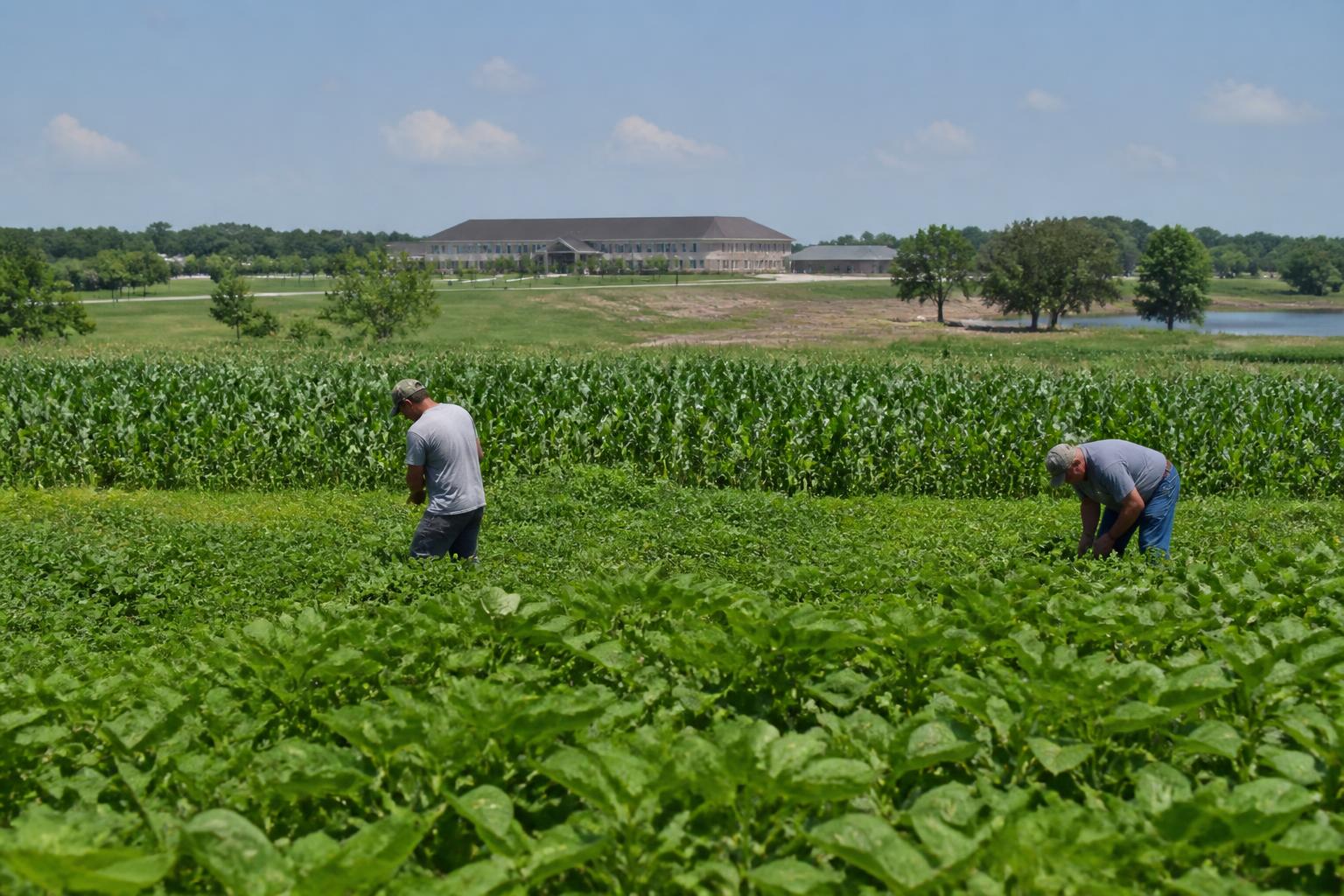
Summer in Missouri brings a dynamic mix of high productivity and sudden agronomic challenges. For growers across the state, from the fertile soils of the Bootheel to the expansive Missouri River valley, maintaining robust crop protection plans is essential. With the recent detection of tar spot in Missouri corn crops and highly variable moisture conditions affecting regional fields, proactive management is becoming the deciding factor for this season's yield potential.
While some growers are dealing with localized Missouri River flooding, others are navigating the delicate balance of soil moisture and carbon exchange. Managing these environmental stressors requires a combination of timely scouting, targeted fungicide applications, and leveraging state-specific agronomic research.
The Rising Threat of Tar Spot in Missouri Corn
Tar spot has officially made its presence known in Missouri corn fields this season, prompting immediate action from crop consultants and farmers. This fungal pathogen, characterized by small, raised black spots on the leaves that resemble paint splatters, can quickly reduce photosynthetic capacity and lead to premature plant death if left unchecked.
Because tar spot thrives in cool, humid conditions and periods of prolonged leaf wetness, fields in river bottoms and areas with dense crop canopies are particularly vulnerable. Agronomists recommend diligent scouting, especially as corn enters its critical reproductive stages. To stay ahead of these mid-season biological pressures, referencing localized guides on managing tar spot and weed escapes in Missouri can provide valuable tactical support for spray timing and product selection.
Water Variability and Ecosystem Research in Missouri
Managing crops in Missouri also means navigating extreme water fluctuations. While high waters along the Missouri River have challenged bottomland operations, farming continues as producers adapt to wet conditions. Conversely, understanding how fields cycle water and carbon during dry spells is just as critical for long-term productivity.
A recent University of Missouri study has shed light on this issue, examining the variability of water and carbon in local agricultural ecosystems and how these factors will impact future crop performance. This research underscores the importance of soil health and water-use efficiency in mitigating weather extremes. Additionally, facilities like the Fisher Delta Center in Portageville continue to focus on the unique agricultural needs of southeastern Missouri, offering insights into irrigation management, soil preservation, and crop resilience that help farmers optimize inputs during tight financial years.
Key Takeaways for Missouri Growers
- Prioritize scouting: Inspect lower and mid-canopy leaves for the early signs of tar spot, especially in high-humidity areas.
- Monitor river levels and drainage: For riverfront acreage, maintain drainage systems to mitigate temporary flooding impacts.
- Utilize local research: Keep tabs on findings from the Fisher Delta Center and the University of Missouri to improve water efficiency and soil carbon management.
- Evaluate long-term costs: With high land costs impacting younger operators, maximizing efficiency on existing acres is more critical than ever.
What it means for the market
With corn and soybean price projections showing tighter margins over the next five years, crop protection is no longer just about maximizing yield-it is about protecting the bottom line. Every bushel saved from disease like tar spot or lost to poor water management directly impacts a farm's financial viability. Missouri producers who leverage local research and execute timely, targeted inputs will be best positioned to weather both market fluctuations and environmental challenges this summer.
Comments
No comments yet - be the first to share your take.