
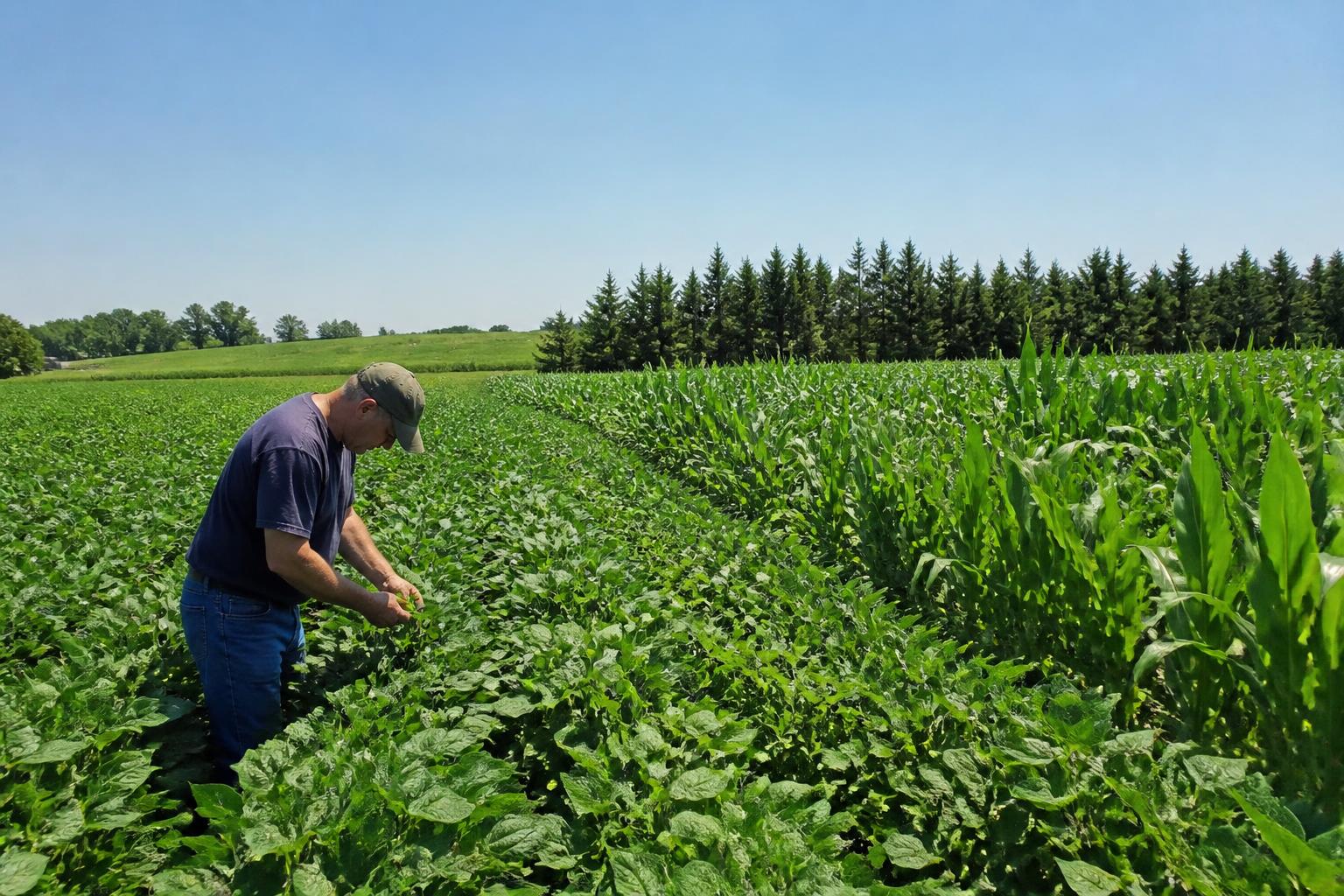
Summer in Wisconsin brings rapid crop development and active livestock transport, but the warm June weather also raises the stakes for regional biosecurity and pest management. From the southern dairy hills to the northern crop boundaries, agricultural producers must focus on robust protection strategies to safeguard their investments. Managing these risks effectively ensures that local farms remain productive and resilient throughout the high-exposure summer season.
Whether protecting livestock herds from transmissible diseases or defending row crops from late-season weed and fungal pressure, Wisconsin operators face a complex regulatory and environmental landscape. Proactive management remains the most reliable path to securing yield potential and maintaining market access.
Biosecurity and Herd Protection in Wisconsin Swine Operations
For the state's livestock sector, summer heat and increased transportation logistics heighten the risk of disease transmission. Organizations like the Wisconsin Pork Association, which recently welcomed Keri Retallick to its leadership team, continue to emphasize strict biosecurity protocols to protect regional herds. High-traffic shipping corridors, including Interstate 94 and regional state highways, see frequent livestock movement during the summer, making truck washing and sanitation critical defense mechanisms.
Maintaining a clean production environment requires constant vigilance. Producers are encouraged to limit farm visitors, isolate new animals, and work closely with veterinary experts to monitor herd health. In the summer heat, proper ventilation and cooling systems also serve as vital protection measures, reducing animal stress and minimizing susceptibility to opportunistic pathogens.
Summer Crop Protection and Canopy Management
In the fields, Wisconsin corn and soybean growers are navigating peak pest and weed pressures. Humid summer conditions often create a breeding ground for fungal pathogens and aggressive weed species that compete for valuable soil nutrients and moisture. Timely application of crop protection inputs, such as targeted herbicides and fungicides, is essential to preserve canopy health.
Farmers must also stay informed about local transport constraints and supply chain dynamics when sourcing these inputs. Understanding how logistics impact input availability is key to timely applications, as detailed in our guide on managing agronomic pressures and local grain logistics during the summer months. Ensuring that sprayers are properly calibrated and drift-reduction protocols are followed protects both the target crop and neighboring fields from unintended exposure.
Diversification and Protection in Specialty Crops
Wisconsin agricultural diversification, including the cultivation of specialty crops, introduces unique protection challenges. As the state processes industrial hemp applications, growers entering this specialty space must adapt their pest and disease management plans to align with strict regulatory standards. Because fewer chemical protection tools are registered for specialty crops like hemp, producers often rely heavily on integrated pest management (IPM) practices, crop rotation, and physical barriers to protect their acreage from damage.
Key Takeaways for Wisconsin Operators
- Enhance Herd Defense: Cooperate with industry groups like the Wisconsin Pork Association to implement rigorous transport sanitation and farm-level biosecurity.
- Optimize Spray Timing: Monitor local weather patterns and humidity levels in late June to maximize the efficacy of summer fungicide and herbicide applications.
- Specialty Compliance: Ensure all crop protection inputs used on specialty acreage, including industrial hemp, comply fully with state registration and chemical residue limits.
What it means for the market
A disciplined approach to agricultural protection directly impacts bottom-line profitability for Wisconsin agribusinesses. Minimizing disease outbreaks in hog facilities and preventing pest damage in the field keeps supply chains predictable and prevents localized market disruptions. For grain handlers, elevators, and livestock marketing channels, consistent quality and volume from well-protected farms support steady regional basis levels and maintain Wisconsin's reputation as a reliable supplier in the broader domestic market.
Comments
No comments yet - be the first to share your take.