
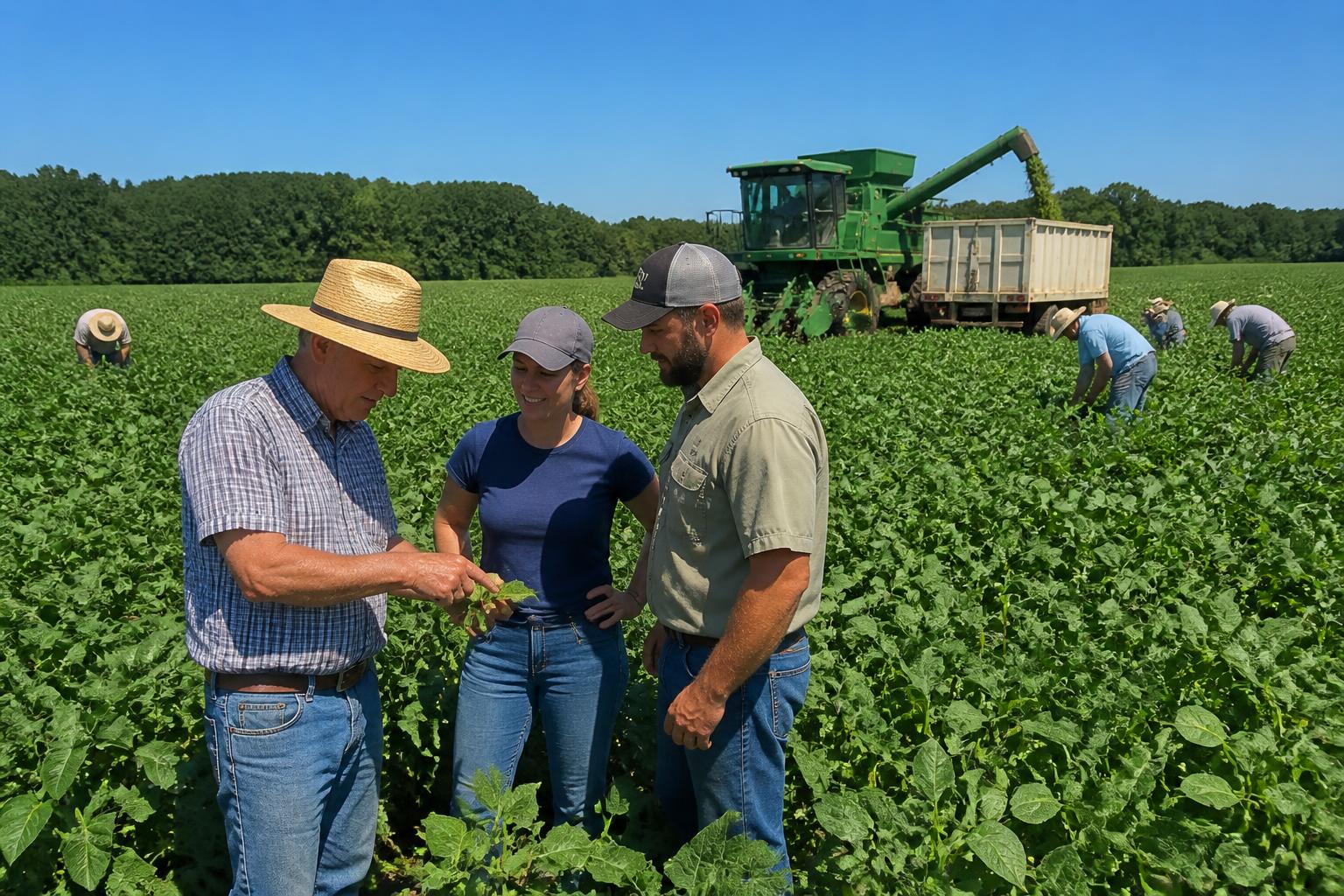
Summer in North Carolina brings a flurry of activity to local highways, rural roads, and farm lanes. As growers monitor fields and prepare for the peak hauling seasons ahead, the efficiency of agricultural transport remains a top priority. Maintaining a smooth flow of commodities across the state's transport networks requires not only reliable infrastructure but also a steady pipeline of skilled logistics professionals and advanced data integration.
To address these critical logistics needs, North Carolina academic institutions are spearheading initiatives aimed at reinforcing the agricultural supply chain. From training the next generation of logistics specialists to leveraging data partnerships for commodity transport, these efforts are laying the groundwork for more resilient transport corridors from the Piedmont to the coastal plains.
Cultivating the Next Generation of Logistics Professionals
A reliable logistics sector relies heavily on workforce development to prevent disruptions in the agricultural supply chain. In Greensboro, North Carolina A&T State University is actively addressing this need through targeted educational programs. The university recently conducted its 30th Annual Summer High School Transportation Institute, introducing young minds to the complexities of modern transport systems, freight corridors, and supply chain management.
Furthermore, five North Carolina A&T students recently received Transportation Fellowship Program grants, highlighting the academic focus on building specialized expertise in logistics. For North Carolina agribusinesses, these workforce initiatives are vital. Developing local talent helps secure a steady supply of fleet managers, logistics coordinators, and supply chain analysts who understand the unique seasonal demands of moving crops and agricultural inputs throughout the state.
Data Integration and Collaborative Research on the Move
Beyond workforce development, optimizing agricultural transport requires sophisticated data strategies. Crop handlers and carriers often face thin margins, where inefficient route planning or unexpected delays can quickly erode profitability. NC State University has been actively focusing on harvesting data for agriculture, exploring how precise analytics can streamline on-farm decisions and subsequent transport logistics.
This academic drive is paired with strong industry collaborations, such as the ongoing partnership between NC State and the North Carolina Soybean Producers Association. By aligning academic research with real-world grower needs, these organizations are helping to improve transit efficiency. Having access to predictive transport data and coordinated hauling strategies is particularly valuable when managing local grain terminals, especially when growers are navigating potential North Carolina grain storage and weather headwinds that can disrupt regional hauling schedules during high-volume harvest windows.
Key Takeaways for North Carolina Operators
- Workforce Investments: Initiatives like the Summer High School Transportation Institute and specialized fellowships are actively addressing the long-term transportation labor shortage in the Southeast.
- Data-Driven Hauling: Joint efforts between commodity groups and state researchers are paving the way for better data tracking, which can reduce empty-mile transit and optimize truck dispatching.
- Seasonal Readiness: Local carriers are encouraged to utilize summer maintenance windows to prepare fleets before seasonal harvest volumes pick up along major corridors like Interstate 40 and Interstate 95.
What it means for the market
For North Carolina's agricultural sector, transport is the critical link that translates field yields into realized market value. While immediate shipping rates fluctuate based on regional diesel prices and driver availability, the long-term outlook for the state's logistics network is being strengthened by systemic investments in education and data analytics. Growers, elevator operators, and fleet managers who stay engaged with regional research and adopt data-backed logistics tools will be best positioned to navigate shifting transport demands and protect their bottom lines as the high-volume season approaches.
Comments
No comments yet - be the first to share your take.