
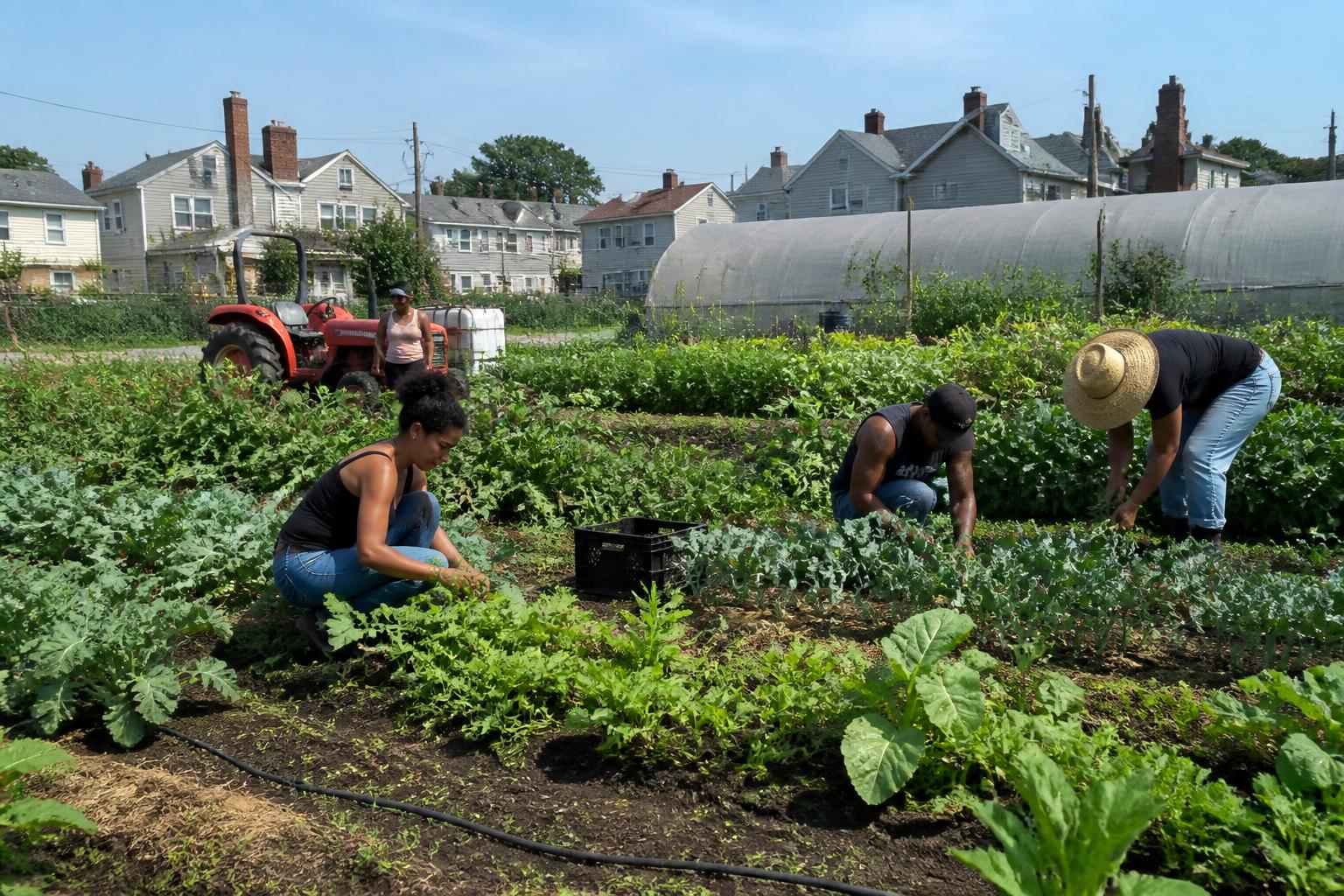
The Rhode Island agricultural landscape is experiencing significant shifts this summer, marked by major infrastructure developments and a steadfast commitment to farmland preservation. As local growers look to meet rising regional demand for fresh food, new projects in Exeter and historic preservation efforts in other parts of the state highlight a dual focus on scaling production and safeguarding land.
These shifts come at a time when traditional open-field farming is increasingly complemented by indoor agriculture and high-intensity localized production. For Rhode Island agribusinesses, navigating these changes requires a solid understanding of how local planning, land protection, and retail trends are shaping commercial opportunities.
Scaling Up: Exeter Greenhouse Approval and Local Production
In a major development for the state's indoor farming sector, Exeter officials recently approved a massive 25-acre greenhouse project for Schartner Farms. This large-scale controlled-environment agriculture (CEA) facility represents a significant expansion of the state's year-round growing capacity. By shielding crops from the volatile weather patterns typical of New England, such facilities provide a steady, predictable supply of fresh produce to local and regional distributors.
This expansion comes as growers across the state evaluate their operational footprints and resource management. Growers looking at their long-term infrastructure can find parallels in the Rhode Island summer ag outlook on soil inputs and regulations, which highlights how indoor and outdoor operations alike are adapting to resource constraints and regional market needs.
Farmland Preservation and Urban Farming Milestones
While industrial-scale greenhouse technology represents one end of the agricultural spectrum, land preservation remains a critical pillar for the state's traditional farming community. The permanent protection of the historic Broadwall Farm represents a major win for agricultural conservation in Rhode Island. By securing agricultural easements, the state ensures that valuable, productive soil remains dedicated to farming rather than residential or commercial development.
At the same time, localized and urban farming initiatives continue to grow. The New Urban Farmers project in Pawtucket is approaching its fifth anniversary, showcasing the viability of community-supported urban agriculture. Additionally, operations like Hocus Pocus Farm highlight the expanding demographic of younger growers entering the state's agricultural workspace. These diverse farming models are broadening the local food system and building stronger community connections.
Retail Demand and Regional Market Pull
The push for increased local production is heavily supported by regional grocery chains. Retailers like Stop-and-Shop are actively expanding their seasonal produce offerings to bring more locally sourced fruits and vegetables to store shelves. Furthermore, retail developments near the state line, such as the opening of a new Whole Foods Market in nearby Seekonk, are expected to create additional supply-chain opportunities for Rhode Island producers who can meet strict quality and volume standards.
Key Takeaways for Rhode Island Operators
- Greenhouse Expansion: the approval of the 25-acre greenhouse in Exeter signals a major shift toward high-tech, year-round controlled-environment agriculture.
- Land Security: permanent preservation initiatives, such as the easement at Broadwall Farm, keep critical acreage in active production.
- Market Access: regional grocery chains are expanding local sourcing, creating solid pipelines for high-quality seasonal products.
What it means for the market
Rhode Island's agricultural sector is transforming into a highly diversified mix of urban farms, preserved historic acreage, and state-of-the-art greenhouse facilities. For input suppliers, logistics providers, and equipment dealers, these developments signal a growing market for specialized greenhouse equipment, custom fertilizer blends, and hyper-local transport networks. Producers who position themselves to feed into regional retail programs are well-positioned to benefit from strong consumer demand for locally grown crops throughout the summer season and beyond.
Comments
No comments yet - be the first to share your take.