
Texas crop producers, grain handlers, and agricultural carriers are navigating a complex summer landscape marked by a major regulatory victory, humid harvest conditions, and ongoing input price pressures. While logistics operators are welcoming a policy shift that expands the pool of available drivers, field progress in southern counties has faced weather-induced delays.
As summer field activities peak, agribusinesses must balance these mixed operational signals. Ongoing economic volatility and evolving crop health threats across the state are requiring managers to remain highly adaptable in their marketing and production strategies.
Logistics Relief as Texas Lifts CDL Restrictions
In a highly anticipated decision for Texas agrologistics, the state has dropped its ban on commercial driver licenses (CDLs) for temporary farm workers. This policy change is expected to provide critical relief to carriers and elevators that have struggled to secure qualified drivers during peak harvest seasons. In many agricultural corridors, the lack of seasonal transportation capacity has historically caused bottlenecks at local elevators, making this regulatory update a timely benefit for summer logistics planning.
Humidity Slows South Texas Wheat Harvest
While logistics options are expanding, the physical harvest has run into localized weather delays. In South Texas, persistent humid conditions have slowed wheat harvest progress. Though overall grain-growing conditions have shown improvement and prices have found periods of support, damp air makes it difficult for combine operators to run efficiently without risking moisture issues in storage bins.
These delays come at a time when growers are already analyzing their margins. Producers across the state are continuously evaluating their bottom lines, particularly when balancing summer harvest potential against persistent input costs, which continue to squeeze returns despite favorable local grain bids.
Evolving Production Pressures and Cyber Security
Texas producers are also facing a diverse array of agronomic and operational challenges this summer:
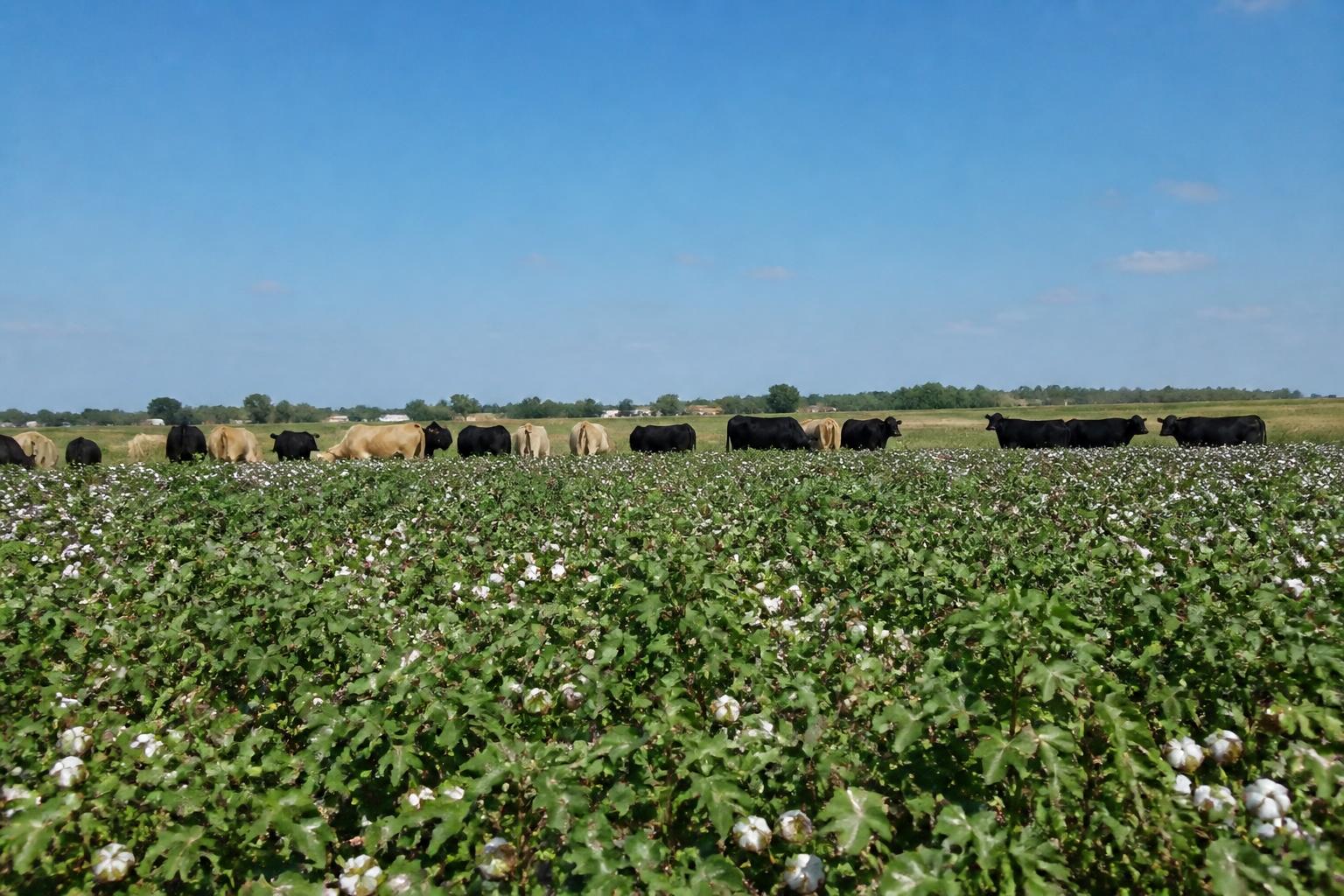
- Input Costs: Price spikes in fuel and fertilizer continue to leave Texas farmers under significant financial pressure, driving some cotton growers to diversify their operations by integrating cattle.
- New Crop Diseases: Agronomists have identified a new disease affecting corn and sorghum that can easily be mistaken for iron deficiency, requiring careful scouting and precise crop protection strategies.
- Pest Research: State researchers are actively focusing on managing risks associated with invasive pests, such as the European pepper moth, to protect the region's green industries.
- Digital Threats: Cyber risks within the food and agriculture sector are rising, prompting state agricultural organizations to urge businesses to secure their digital supply chains.
What it means for the market
The removal of the CDL restriction for temporary farm workers is a major win for Texas agricultural logistics, potentially reducing freight bottlenecks as the wheat and summer row-crop harvests move north. However, the combination of high humidity slowing field work, elevated fuel and fertilizer costs, and emerging crop diseases means that operational efficiency remains paramount. Elevator managers and grain buyers should prepare for varied delivery paces, while producers must continue to watch margins closely and utilize diversified marketing plans to offset high overhead costs.
Comments
No comments yet - be the first to share your take.