
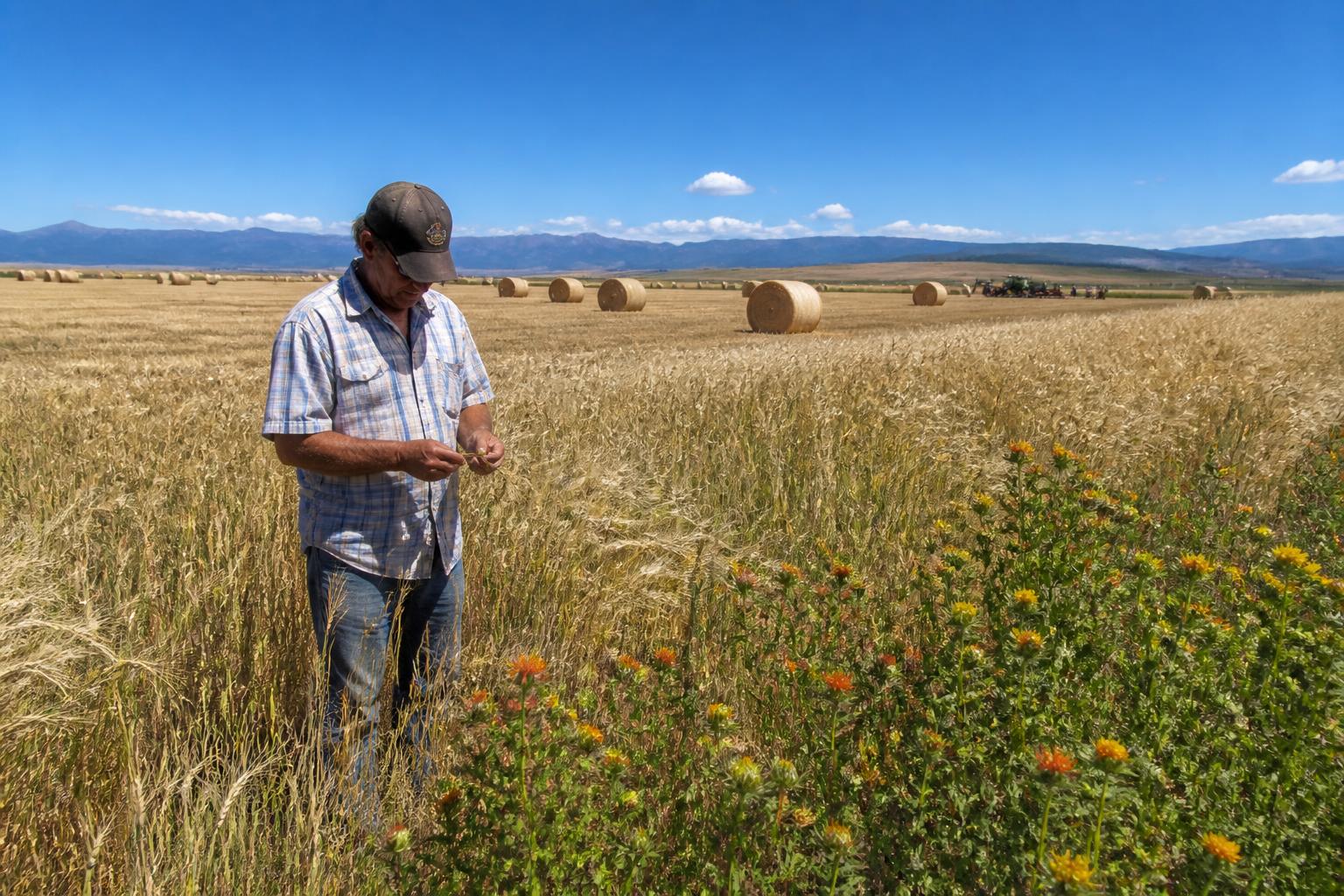
As summer heat settles across the Golden Triangle and central Montana, agricultural logistics providers and grain handlers are closely watching both highway and rail corridors. With the upcoming summer crop movement on the horizon, the pressure on regional transportation networks is transitioning from spring input delivery to outgoing crop marketing. Local elevators and carrier fleets are beginning to position assets to handle the seasonal influx of grain.
Recent relief in global maritime shipping lanes has begun to trickle down to local regional networks, easing some of the supply-chain bottlenecks that previously stressed Montana agribusinesses. As local operators plan their shipping schedules, coordinating truck and rail freight remains crucial to keeping the state's commodities moving efficiently to domestic and international markets.
Global Shipping Relief Eases Local Input Transport
In a significant development for regional input buyers, fertilizer shipping pressures have shown signs of easing. Global fertilizer supply-chain anxieties have moderated as shipments out of key maritime corridors, such as the Strait of Hormuz, resumed steady operations. This stabilization has allowed regional distributors along major Montana freight paths, including the Interstate 15 and Interstate 90 corridors, to more reliably manage their summer inventories.
For local agricultural cooperatives and bulk transport haulers, more predictable shipping schedules mean improved coordination. Instead of scrambling to secure high-cost, short-notice truck freight to cover supply deficits, distributors have been able to better utilize routine logistics schedules. This stability is a welcome shift for growers planning their post-harvest nutrient applications and preparing for winter wheat seeding requirements later in the year.
Value-Added Processing and Evolving Freight Demands
While bulk grain shipments continue to dominate the state's transport demand, local value-added processing ventures are diversifying how freight moves. For example, the development of specialty crop processing, such as cold-press safflower oil facilities in Lewistown, highlights how regional processing can alter local transport dynamics. Rather than shipping raw agricultural products out of state via rail, these facilities require specialized transport for finished, packaged, or liquid goods, keeping more logistics value within the state.
Producers are balancing these localized opportunities with broader market dynamics as they prepare for the peak of the seasonal haul. Incorporating these diversified shipping patterns is a key element of the broader Montana Ag Market Update: Preparing for Summer Harvest Amid Global Demands and Resource Battles, where logistics and marketing strategies must align to maximize profitability.
Managing Summer Freight Capacity and Road Challenges
Securing reliable trucking capacity is a constant focal point for grain handlers during the summer harvest. In many rural counties, seasonal road maintenance, summer construction zones, and weight restrictions on secondary state highways can alter haul routes and transit times. Grain haulers must closely monitor local road conditions to ensure smooth transport from the field to the elevator.
Additionally, regional environmental factors, such as dry conditions and localized pest pressures like grasshoppers, can shift transport needs. In drier years, forage shortages often trigger an increase in hay transport across state lines, drawing flatbed truck capacity away from other sectors. Keeping open lines of communication with local carriers is essential for producers hoping to secure timely transport during these peak demand periods.
What it means for the market
For Montana agribusinesses and grain handlers, the stabilization of global input logistics offers a window of predictability to finalize shipping arrangements before the harvest rush. With truck and rail capacity expected to tighten as harvest activity intensifies, producers should actively communicate with local elevators to align delivery schedules. Securing freight commitments early and remaining flexible with delivery windows will be critical to avoiding bottlenecks at the dump pits this summer.
Comments
No comments yet - be the first to share your take.