
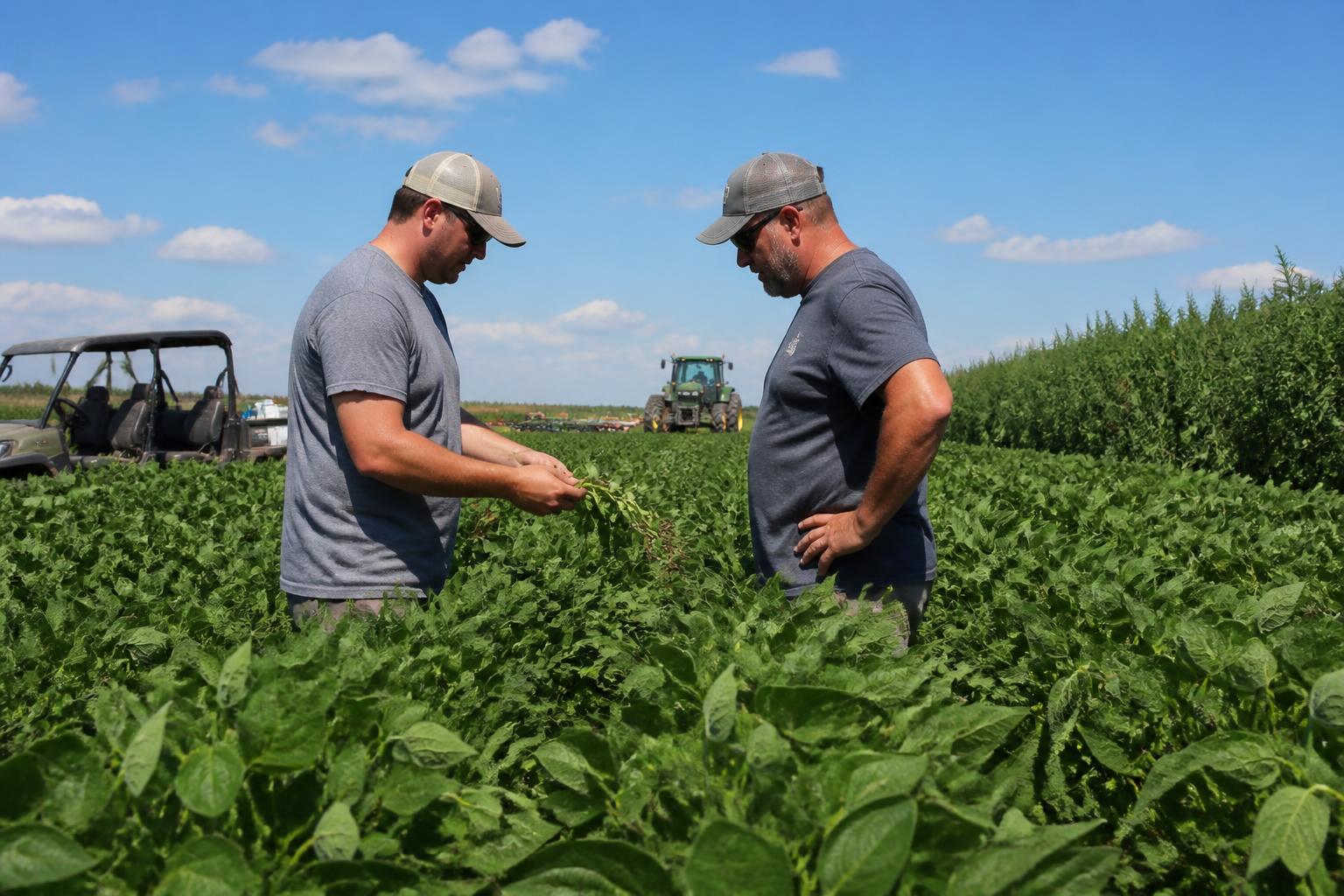
As Illinois corn and soybean fields enter their rapid summer growth phases, growers across the Prairie State are navigating a complex landscape of regulatory decisions, state budget adjustments, and active pest scouting. Recent national legal clarity regarding widely used crop protection tools has brought some relief to agricultural groups, even as local funding challenges alter long-term conservation and weed-management strategies.
For growers managing operations along key Illinois agricultural corridors - from the fertile soils of Champaign County to the logistics hubs along the Illinois River - balancing immediate weed control with shifting state-level support is critical to protecting yield potential. With global market volatility keeping commodity prices in flux, optimizing every input application is more important than ever.
Legal Certainty for Key Crop Protection Tools
National grower groups have welcomed recent legal developments, including a Supreme Court decision regarding glyphosate-based herbicides. The ruling provides much-needed regulatory predictability for Illinois farmers who rely on glyphosate as a cornerstone of their conservation tillage and weed control programs. This legal clarity allows agribusinesses and operators to finalize their summer spray schedules without the immediate threat of sudden label changes or sudden state-level restrictions.
In Illinois, maintaining access to effective chemistries is essential for combating tough summer weeds like waterhemp and Palmer amaranth. State agricultural survey coordinators, including Kelly Estes, continue to emphasize the importance of active field monitoring to detect pest and weed resistance early. To optimize these applications during peak summer heat, growers can refer to our guide on navigating early summer weed pressures with precision tech and smart tank mixes to ensure maximum spray efficacy and safety.
Cover Crop Budget Cuts Challenge Soil Management
While federal and legal decisions have offered stability, local policy shifts are introducing new hurdles. The Illinois governor's move to reduce state cover crop funding, despite strong and rising demand from farmers, has disappointed conservation advocates. Cover crops serve as a vital non-chemical tool in integrated weed management, helping to suppress early-season weed seed banks, conserve soil moisture during dry summer spells, and improve overall soil health.
With less state-level financial incentive available, some Illinois operators may have to adjust their long-term soil management budgets. This reduction in conservation funding means many growers will need to rely even more heavily on targeted, post-emergence chemical applications to keep fields clean throughout the summer months.
Market Volatility Demands High-Efficiency Scouting
The need for precise crop protection is further intensified by global economic pressures. Ongoing geopolitical conflicts, particularly in the Middle East, continue to drive volatility in grain markets. This fluctuations force growers to find ways to secure yields and manage operational risk carefully. In addition to traditional grains, some Illinois producers are exploring high-risk, high-profit alternative crops like industrial hemp, which demand meticulous pest and weed management to succeed under strict regulatory oversight.
Regular scouting and early intervention are the most cost-effective ways to manage risk. Monitoring insect migrations and early disease pressures helps prevent costly crop damage before it reaches economic thresholds, saving on unnecessary input expenses when margins are tight.
Key Takeaways for Illinois Growers:
- Glyphosate Stability: The recent Supreme Court decision brings regulatory relief, securing glyphosate as a dependable tool for summer weed control.
- Adaptive Conservation: Reduced state funding for cover crops may require farmers to rely more on precise post-emergence chemical applications to manage weed pressures.
- IPM and Scouting: With volatile grain markets, consistent field scouting remains the best defense against yield loss from pests and diseases.
What it means for the market
For the Illinois agricultural market, these parallel developments highlight the necessity of strategic management. While regulatory wins protect the chemical tools currently in the sprayer, state budget cuts to conservation programs remind growers that local policy can change quickly. With volatile grain prices making yield protection paramount, Illinois producers who combine diligent scouting with highly efficient, targeted input applications will be best positioned to protect their bottom lines through the summer season and into the fall harvest.
Comments
No comments yet - be the first to share your take.