
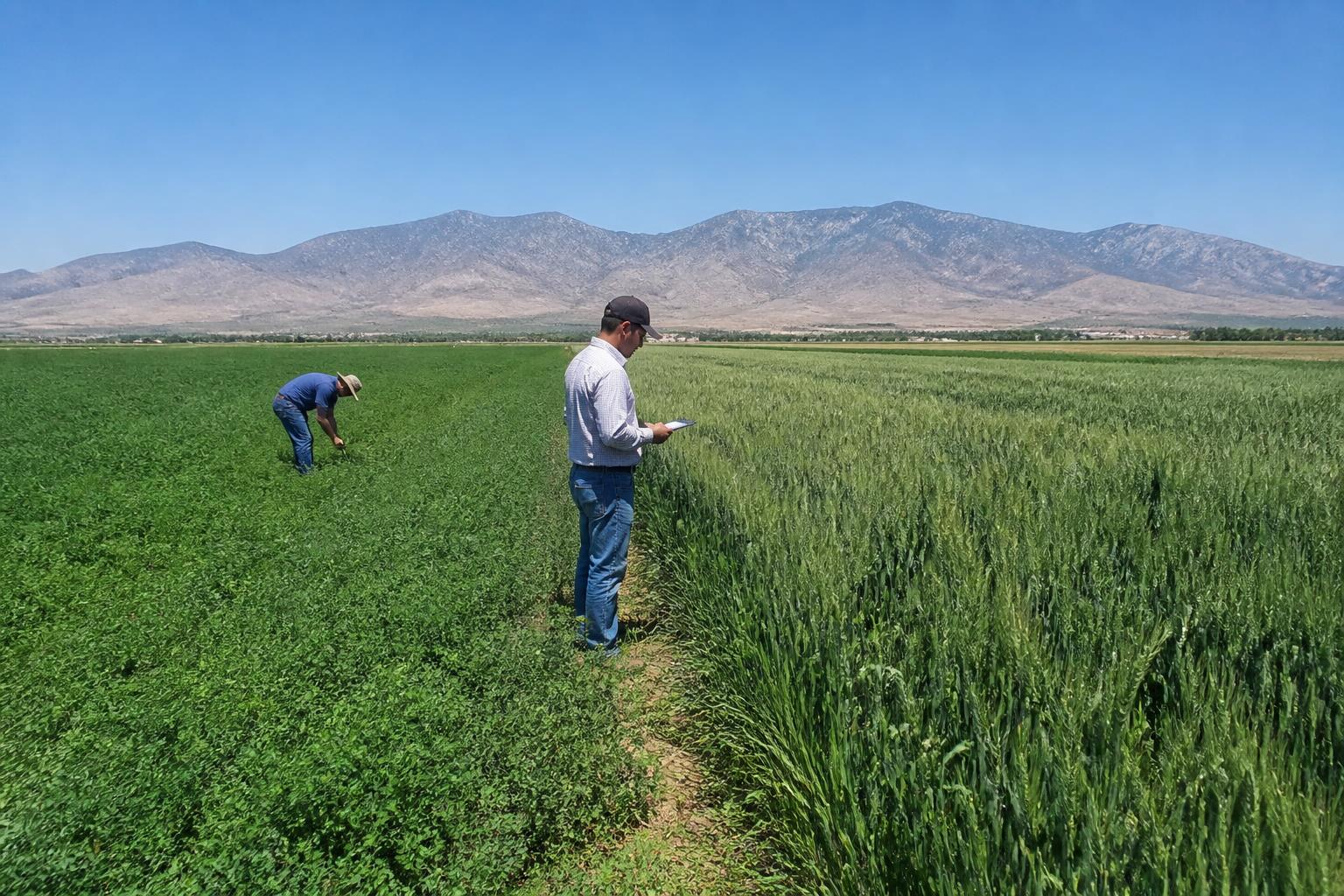
Summer logistics in the desert Southwest demand careful coordination as extreme heat impacts both crop conditions and transport infrastructure. In Arizona, where temperatures routinely soar, agricultural shippers must balance regional truck capacity with changing crop volumes. This is especially true in key logistics hubs like Yuma, which serve as critical gateways for moving western agricultural goods and supporting regional trade corridors.
Recent shifts in the regional manufacturing landscape are bringing new industrial activity to the Arizona-California border. The relocation of Beam Global's manufacturing operations to Yuma, Arizona, highlights the growing importance of the region as a manufacturing and logistics hub. This industrial growth coincides with seasonal agricultural shipping pressures, requiring carriers and shippers to optimize their routes and equipment to handle diverse cargo types under harsh summer conditions.
Alfalfa Demands and Heat Stress on Regional Transit
Managing forage crops and field grains remains a core focus of local logistics networks during the summer months. Recent reports indicate that Arizona's alfalfa growing conditions have experienced a decline, reflecting the severe toll that desert summer heat can take on regional field crops. Field trials in the low desert continue to evaluate weed control and herbicide efficacy for both alfalfa and wheat, but once these crops leave the field, transport efficiency becomes the primary concern.
Hauling forage and field crops during the peak of summer requires specialized attention. High temperatures can impact tire pressure, engine cooling systems, and driver safety on key transit corridors like Interstate 10 and Interstate 8. Shippers are increasingly focused on managing the complexities of crop shipping demands during peak heat cycles, which often involves adjusting departure times to cooler evening or early morning hours to protect both the equipment and the cargo.
Global Supply Chain Modernization and Quality Control
Beyond regional corridors, Arizona's agribusinesses are increasingly influenced by global logistics trends and technological advancements. Modern supply chain networks are prioritizing food safety and operational efficiency through targeted educational programs. Recent international training initiatives have focused extensively on the proper receiving, storing, and transporting of food products, highlighting the global industry's push toward minimizing post-harvest losses and maintaining strict cold chain integrity.
At the same time, the integration of technology is reshaping how agricultural products move across borders. Global platforms, such as the Green Agriculture Chain section at the fourth CISCE, have highlighted how AI-driven innovation is optimizing global agri-food supply chains. For local shippers, implementing these digital tracking and fleet management tools is essential for managing moving desert crops under summer climate stress, ensuring that perishable goods reach their destinations without quality degradation.
Adapting Fleet Operations to Southwest Realities
As water availability challenges and climate pressures persist across the Western United States, agricultural producers are continuously adapting their operations. Fleet operators must remain highly adaptable, adjusting their capacity to match fluctuating crop yields. Implementing preventative maintenance schedules for transport vehicles is critical for keeping desert supply chains moving when ambient temperatures climb to their highest seasonal levels.
Key Takeaways for Desert Shippers:
- Monitor Cargo Sensitivity: Declining crop conditions, particularly in forage crops like alfalfa, mean shippers must be vigilant about moisture levels and storage conditions during transit.
- Leverage Regional Hubs: Increased manufacturing activity in Yuma may alter local freight lane dynamics and truck availability, requiring proactive booking.
- Prioritize Fleet Readiness: High-heat transport requires rigorous checks on cooling systems, tires, and driver hydration protocols to prevent transit delays.
What it means for the market
For Arizona farmers, logistics managers, and commercial carriers, the combination of declining alfalfa crop conditions and rising regional industrial activity in Yuma underscores the need for highly resilient transport planning. As technology and clean energy manufacturing expand in the region, the agricultural sector must compete for freight capacity while navigating seasonal heat hazards. Proactive logistics scheduling, early fleet maintenance, and the adoption of real-time tracking will be essential tools for maintaining stable profit margins and ensuring product quality throughout the summer shipping season.
Comments
No comments yet - be the first to share your take.