
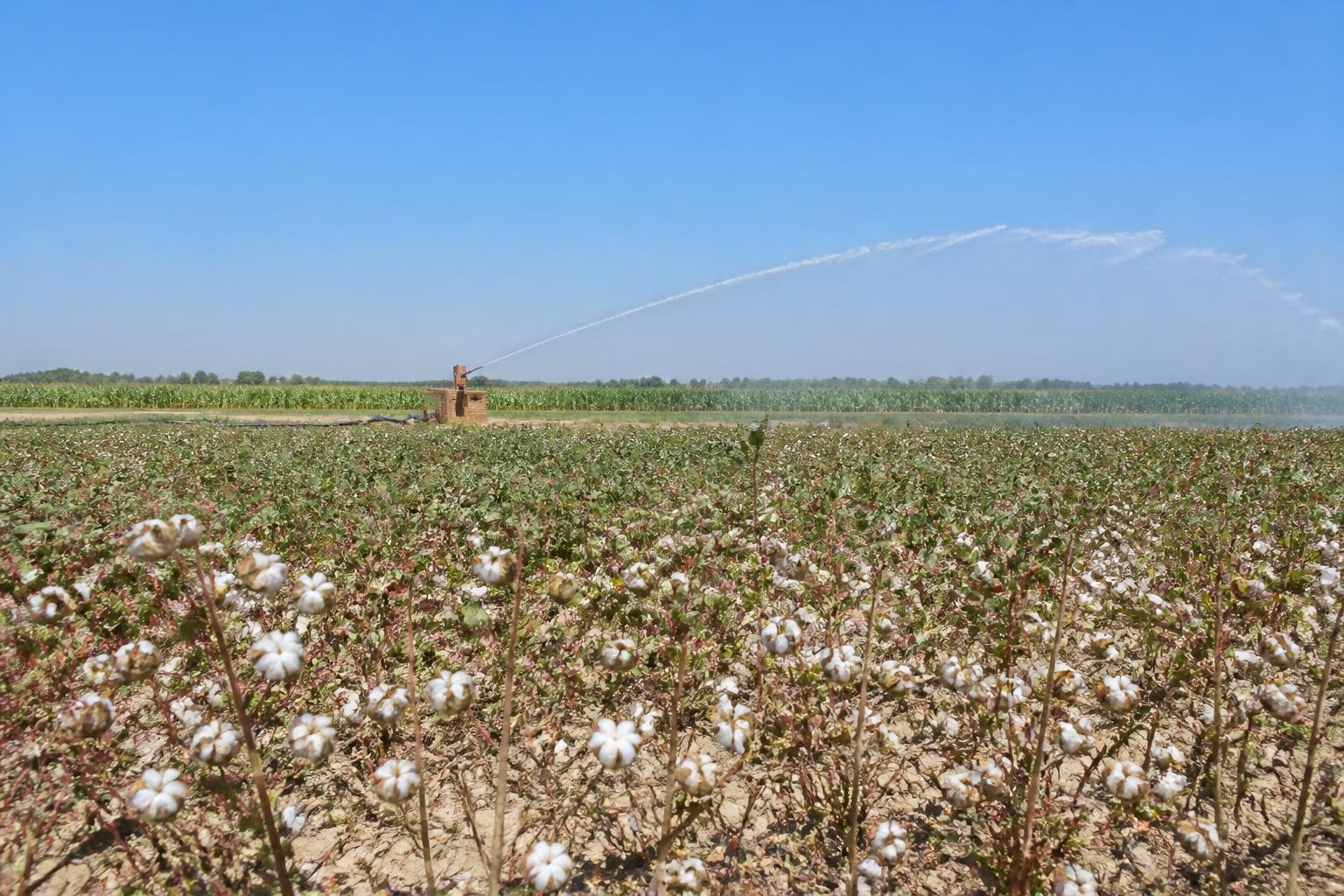
As summer gets underway in late June 2026, Louisiana grain producers are facing a complex mix of agronomic hurdles and shifting market opportunities. Recent weather extremes have left their mark on the state's corn and wheat crops, even as global demand patterns drive activity at the Gulf Coast export terminals. Meanwhile, long-term shifts in acreage are redefining what fields look like across the state, with traditional crops like cotton facing a highly uncertain future.
For growers evaluating their marketing strategies and crop conditions, understanding local basis changes and shipping constraints is critical. Accessing up-to-date data on grain buyers, sellers and prices in Louisiana can help operations adjust to these highly dynamic conditions.
Agronomic Pressures: Weather Extremes and Rootless Corn
Weather volatility has emerged as a major factor for Louisiana corn and wheat during the current growing season. Intense heat and uneven moisture distribution have taken a toll on early development. In some corn fields across the region, producers are reporting cases of "rootless corn," a physiological condition where plants fail to develop a proper nodal root system, leaving them highly vulnerable to lodging and nutrient deficiency.
These challenges highlight the broader issues of climate variability in the Delta region. To mitigate these impacts, growers have had to pay close attention to management practices. For insights on managing these climate-related vulnerabilities, see our guide on Louisiana Crop Protection: Managing Heat, Shifting Crop Calendars, and Water Stress. In addition to corn, the state's wheat crops have also suffered from weather extremes, which could potentially impact yields and quality as harvest wrapping-up reports filter in.
Shifting Acreage and the Decline of King Cotton
Louisiana's agricultural landscape is undergoing a significant long-term transition. Once the absolute backbone of the state's agricultural economy for centuries, cotton now faces a bleak future in Louisiana. High input costs, weather risks, and more competitive returns from alternative grain and oilseed options have led many growers to permanently transition away from the fiber crop.
This structural shift has freed up acreage for corn and soybeans, which are more readily integrated into the regional logistics network. However, managing these large-volume grain crops brings its own set of supply chain hurdles, particularly when navigating the Mississippi River corridor.
Gulf Export Bids and Regional Logistics
On the marketing front, Gulf Coast export bids for corn, soybeans, and wheat have shown steady activity through late June 2026. For local elevators and grain handlers, keeping a close eye on export bids is essential for capturing favorable basis levels. Regional river logistics and barge freight rates continue to play an influential role in determining how much of that export value translates back to the farm gate.
Navigating these local transport dynamics is a constant focus for regional agribusinesses. For a deeper look at transport pressures and logistics, read about Louisiana Grain and Logistics: Navigating High Input Costs and River Corridor Pressures in Summer 2026. The interplay between international export demands at the Gulf and localized logistics will remain the primary driver of grain movement throughout the summer.
What it means for the market
For Louisiana agribusinesses and farmers, the current landscape demands tight risk management and a proactive approach to crop health. While weather extremes and structural shifts like the decline of cotton are altering production patterns, robust export activity at the Gulf offers solid selling windows. Growers should monitor local basis bids closely, optimize water and nutrient management to combat development issues like rootless corn, and secure freight commitments early to protect margins against shifting logistics costs.
Comments
No comments yet - be the first to share your take.