
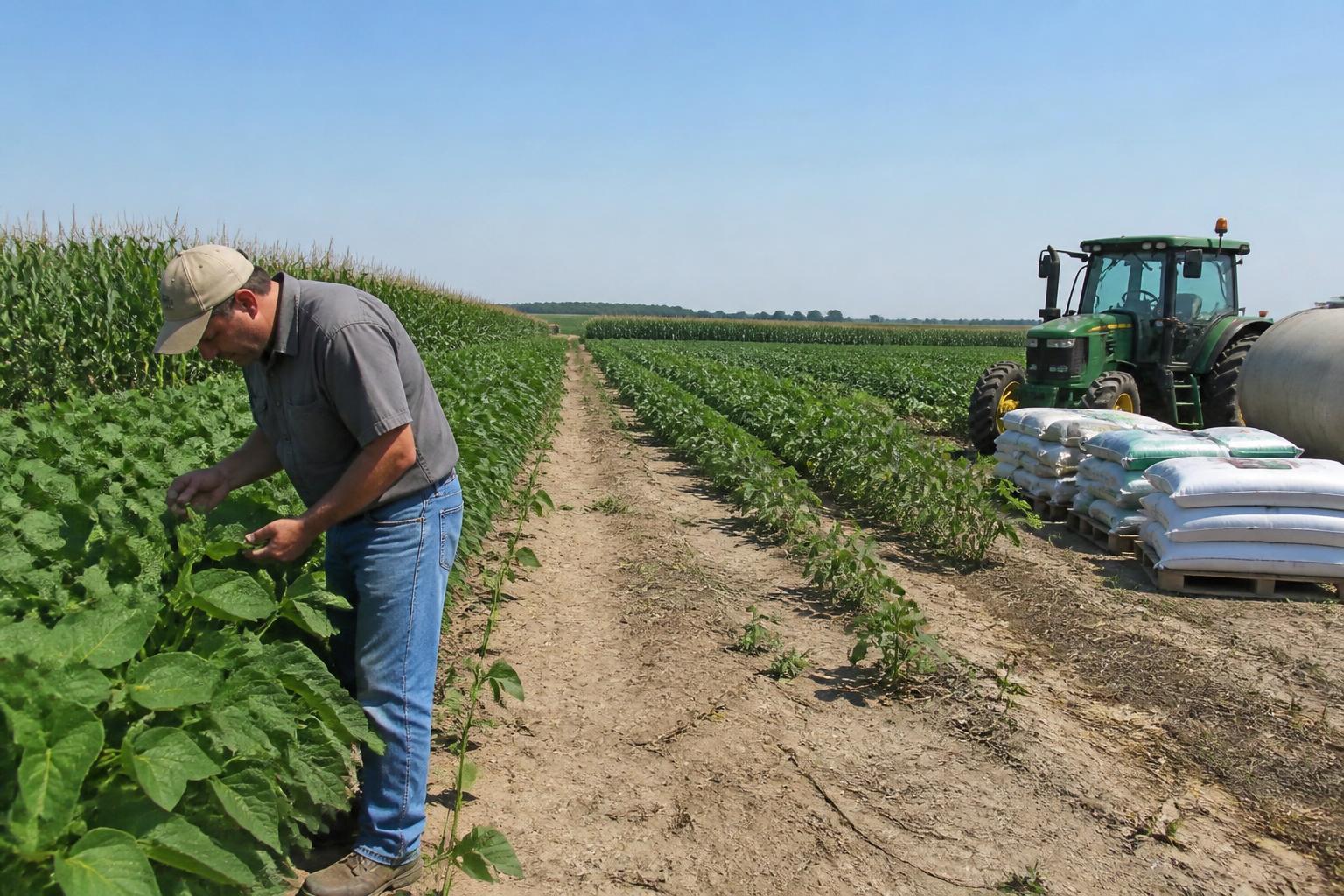
As summer field operations intensify across Illinois, agricultural logistics are facing a familiar double-whammy of high diesel prices and elevated fertilizer costs. For local grain handlers, carriers, and growers, moving inputs and commodities efficiently along key state corridors, from northern interstate junctions down to river terminals, has become a high-stakes balancing act where transport inefficiencies directly erode profit margins.
Fuel Pressures and the Illinois Logistics Grid
High diesel prices continue to place a heavy burden on the agricultural supply chain, driving up the cost of everyday trucking and distribution. Across Illinois, where grain and input transport relies heavily on a complex network of county roads, state highways, and river ports, these elevated fuel costs mean that every mile traveled must be carefully calculated.
Local elevators and transport coordinators are actively seeking ways to consolidate loads and reduce empty-mile backhauls. To better understand how local infrastructure investments are intersecting with these shipping challenges, operators can review the recent analysis of Illinois ag logistics shipping headwinds, which highlights how processing capacity and freight corridors are adapting to modern pressures.
Balancing Input Deliveries and Crop Management
The transport squeeze is not limited to outbound grain. In areas like Northwest Illinois, farmers are deeply focused on timely crop protection and disease management in their corn crops. Securing and transporting crop protection products, fungicides, and mid-season fertilizers requires reliable, cost-effective short-haul trucking.
With high retail prices for fertilizers and fuel squeeze-testing operational budgets, applying inputs at the exact right moment is critical. Managing these logistics fits hand-in-hand with overall farm budgeting and input timing, as explored in the discussion on summer crop protection strategies. Ensuring that trucks are available when chemical and biological applications are scheduled prevents costly delays in the field.
Smart Storage as a Logistics Buffer
One way Illinois operators are fighting back against high freight rates is by investing in storage optimization technology. The recent entry of European grain-tech provider Javelot into the U.S. market highlights a growing industry focus on grain preservation and temperature monitoring. By leveraging advanced storage tools, elevators and on-farm operators can monitor grain quality in real time.
This technological shift has direct benefits for logistics. When managers can confidently store grain longer without risking spoilage, they gain the flexibility to bypass peak transport bottlenecks. Instead of being forced to ship grain during high-freight periods, operators can store their commodities safely and wait for more favorable shipping windows or lower trucking rates.
Key Logistics Takeaways for Illinois Operators:
- Consolidate Shipping: Coordinate input deliveries and grain hauls to minimize empty trips and offset high diesel costs.
- Leverage Technology: Consider utilizing new grain storage optimization systems to safely extend holding times and optimize market timing.
- Monitor Local Corridors: Keep a close eye on regional river terminal activity and highway weight restrictions during active summer hauling weeks.
What it means for the market
In the current high-cost environment, transportation is no longer just a transactional expense-it is a strategic differentiator. Illinois agribusinesses that successfully combine smart on-farm storage with optimized trucking schedules will be best positioned to protect their bottom lines through the remainder of the summer season.
Comments
No comments yet - be the first to share your take.