
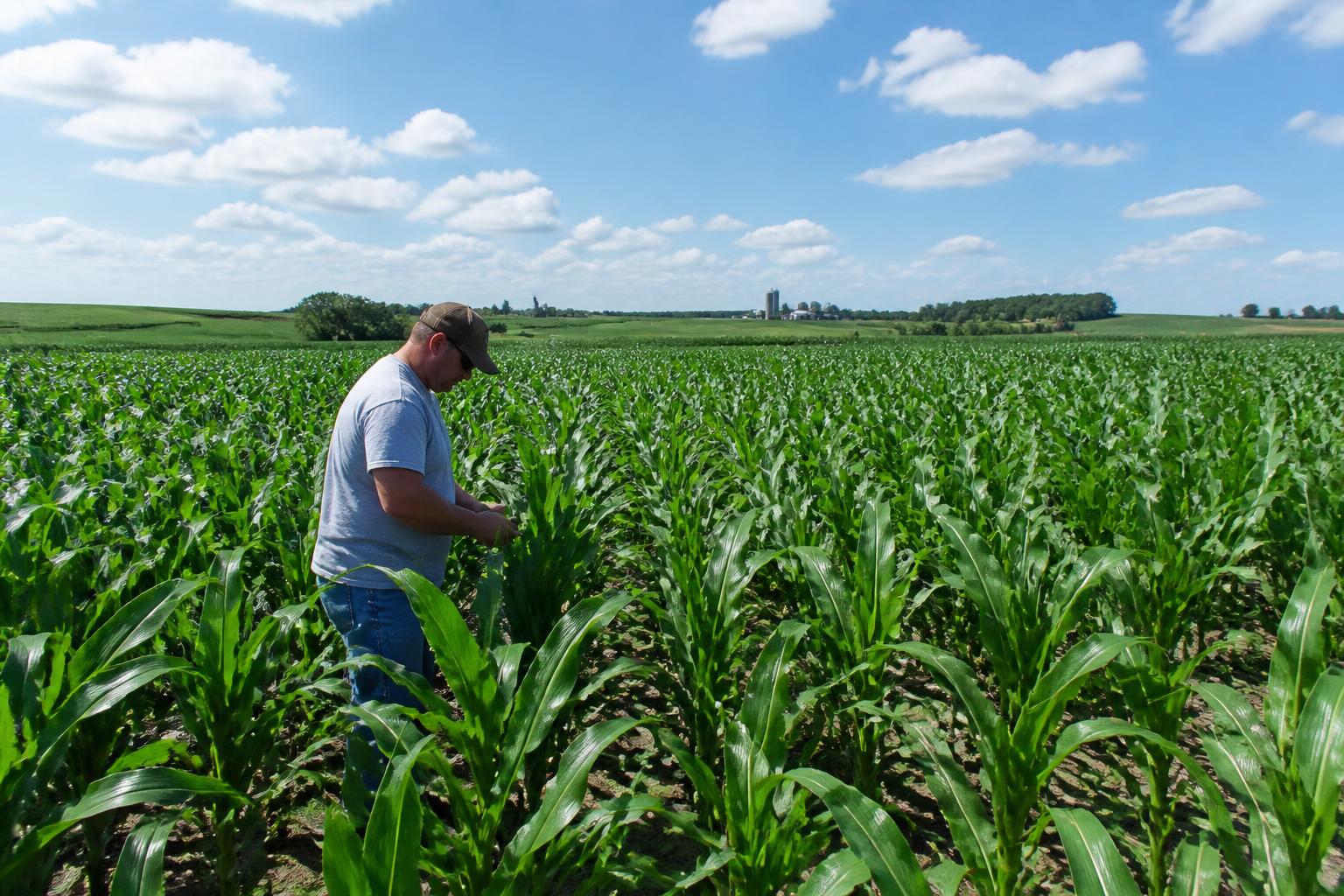
Wisconsin's agricultural landscape is experiencing a dynamic summer, driven by a mix of infrastructure breakthroughs, state-level conservation triumphs, and evolving environmental debates. As farmers across the Badger State manage their fields in the mid-summer heat, new logistics avenues are opening up to streamline the movement of Midwestern commodities. Concurrently, producers are balancing the practical benefits of soil conservation against the backdrop of compliance costs and clean energy standards.
The Northern Grain Belt Ports Initiative
Logistics are receiving a significant upgrade with the establishment of the Northern Grain Belt Ports Initiative. This effort aims to bolster waterborne transportation networks along critical waterways, helping Wisconsin grain handlers and regional exporters move corn, soybeans, and wheat more efficiently. By formalizing and improving port infrastructure, the initiative is expected to reduce shipping bottlenecks and lower overall freight costs for local growers.
Improved river and lake transport options are crucial as exporters look to optimize freight routes. Understanding these shipping dynamics is critical, especially when utilizing Great Lakes export terminals to capture global demand during competitive shipping windows.
Conservation and Policy Pressures Shape the Field
While logistics corridors expand, on-farm practices in regions like Southwest Wisconsin are proving their worth. Farmers utilizing conservation methods, such as no-till planting and cover cropping, report high resilience against erratic summer weather patterns. These soil-health initiatives help retain moisture during dry spells and prevent erosion during sudden downpours, demonstrating how conservation directly translates to financial stability.
However, the broader conversation around agriculture's climate footprint remains highly contentious. The promise of corn-based ethanol as a clean energy source continues to clash with debates over its lifecycle carbon footprint. At the same time, policy analyses, such as a report from the Wisconsin Institute for Law and Liberty, warn that aggressive green mandates could impose heavy financial burdens on rural families and potentially disrupt the state's agricultural economy.
Striking a balance between sustainable farming practices and economic viability is a core focus for growers navigating summer infrastructure shifts while managing volatile weather patterns and policy uncertainties.
Dairy Compliance: Grading Wisconsin's Butter
Beyond grain and logistics, Wisconsin's signature dairy industry faces its own unique regulatory environment. The state maintains strict, long-standing standards regarding dairy products, including mandatory grading for butter sold within state lines. While sometimes viewed as an administrative hurdle, state officials and industry advocates emphasize that these rigorous quality controls protect the reputation of Wisconsin's dairy brand and ensure consumer trust in premium local products.
Key Takeaways for Wisconsin Agribusinesses
- Logistics Expansion: The Northern Grain Belt Ports Initiative will enhance market access, offering more robust transport options for summer and fall grain movements.
- On-Farm Resilience: Conservation tillage and cover crops in the Driftless Area continue to prove effective against summer weather volatility.
- Policy Headwinds: Ongoing debates surrounding clean energy mandates and the true carbon footprint of ethanol keep regulatory uncertainty high for corn growers.
- Dairy Standards: Strict state grading rules for butter underscore Wisconsin's commitment to high-value dairy quality assurance.
What it means for the market
For Wisconsin grain handlers, dairy producers, and logistics providers, this summer highlights the need for adaptability. Improved port infrastructure will eventually provide better basis options and cheaper freight, but immediate profitability will depend on managing input costs and navigating environmental policy debates. As the corn crop progresses through its critical summer development phases, staying aligned with both conservation opportunities and logistical advancements will be key to protecting margins.
Comments
No comments yet - be the first to share your take.