
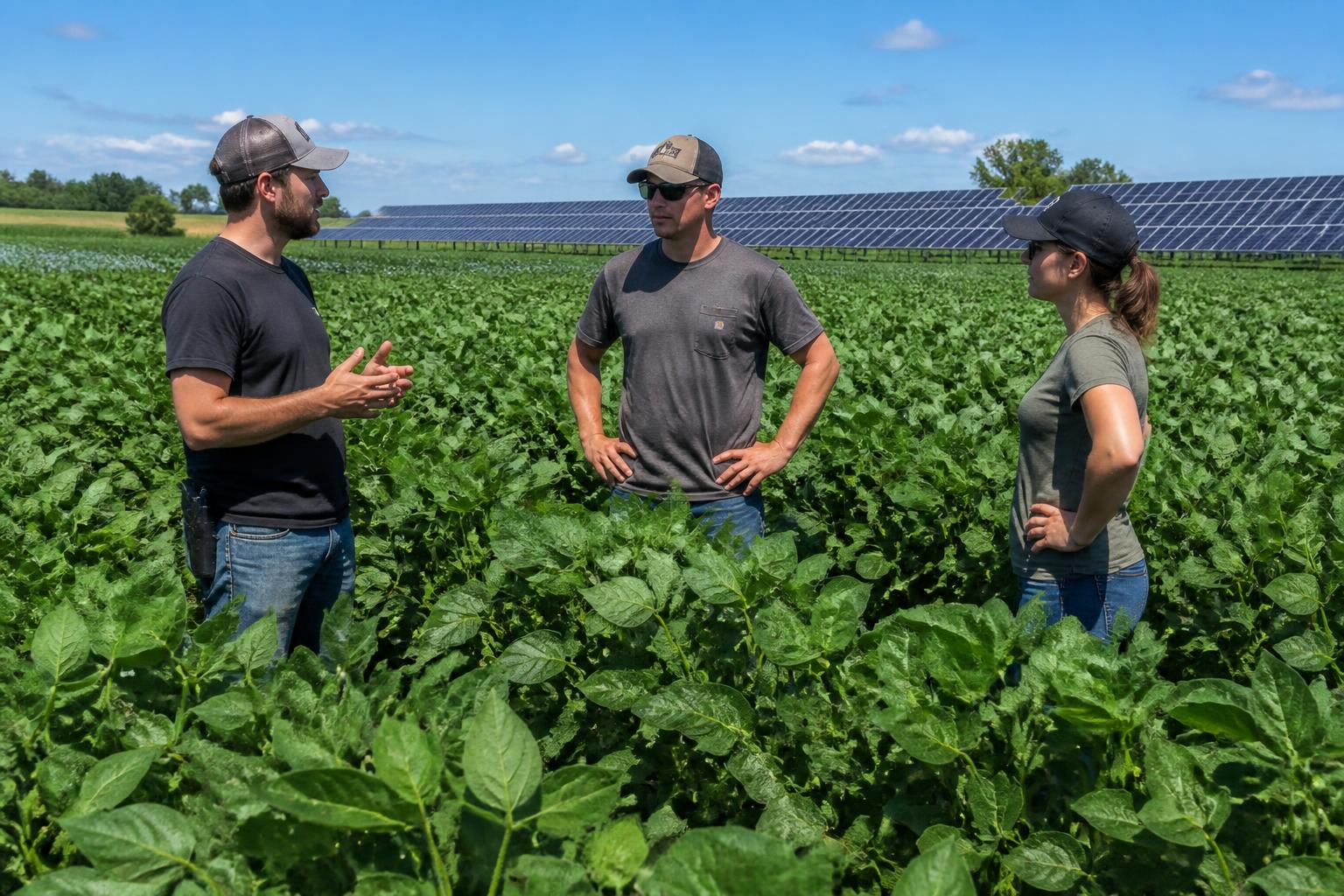
Ohio ag retailers and growers are navigating a complex landscape this summer as elevated nutrient costs collide with heightened regulatory and environmental scrutiny. With crop development underway across key agricultural regions like Hardin County and the wider Miami Valley, local crop budgets are feeling the squeeze of volatile retail pricing and persistent supply chain opacity.
As growers monitor mid-season crop progress, the relationship between input costs and environmental stewardship remains a central talking point. In addition to managing tight margins, Ohio agricultural groups are increasingly focused on supply chain transparency and regional conservation initiatives to balance economic viability with resource protection.
Market Pressures and Calls for Transparency
According to the Q2-2026 AEDE Bulletin published by Ohio State University Extension, farmers are dealing with a renewed wave of higher fertilizer prices. These elevated costs have put immense pressure on farm operating lines, prompting many producers to seek explanations for the persistent pricing volatility. In response, Ohio agricultural advocates and local farm leadership have publicly called on the Department of Justice (DOJ) to investigate fertilizer market transparency, aiming to ensure that retail price movements align with actual supply and demand fundamentals rather than market concentration.
For operators hauling inputs along major state transit corridors like Interstate 75 or keeping local storage bins filled, these pricing dynamics require careful purchasing strategies. Many operations are opting for just-in-time logistics, though this approach risks running into seasonal transportation bottlenecks if local retail supplies tighten unexpectedly.
Balancing Nutrient Application with Water Quality Goals
Beyond market economics, the physical application of commercial fertilizer in Ohio is closely tied to water quality initiatives. Local watersheds, particularly those draining into the Lake Erie basin and the Ohio River system, are subject to voluntary and regulatory nutrient management protocols designed to curb runoff. Farmers across the state are employing precision agriculture techniques, variable-rate technology, and split-application methods to maximize every pound of nitrogen and phosphorus applied.
To manage these competing pressures of high costs and environmental compliance, many producers are turning to tailored Ohio summer nutrient strategies. By refining the timing of side-dress applications and utilizing nutrient stabilizers, growers can minimize environmental losses while protecting their bottom lines during critical summer growth stages.
Key Takeaways
- Elevated input costs highlighted in the Q2-2026 AEDE Bulletin continue to strain local operating budgets.
- Ohio agricultural advocates are pushing for increased market transparency, urging federal oversight into retail pricing practices.
- Watershed conservation efforts remain a high priority, prompting farmers to adopt split-application and precision nutrient management practices to protect water quality.
What it means for the market
For Ohio agribusinesses, grain handlers, and input buyers, the current environment demands exceptional administrative and agronomic discipline. With price transparency investigations keeping the retail sector under the microscope, input suppliers may face pressure to justify pricing structures, while farmers must double down on conservation-minded, high-efficiency application methods to survive a high-cost summer market.
Comments
No comments yet - be the first to share your take.