
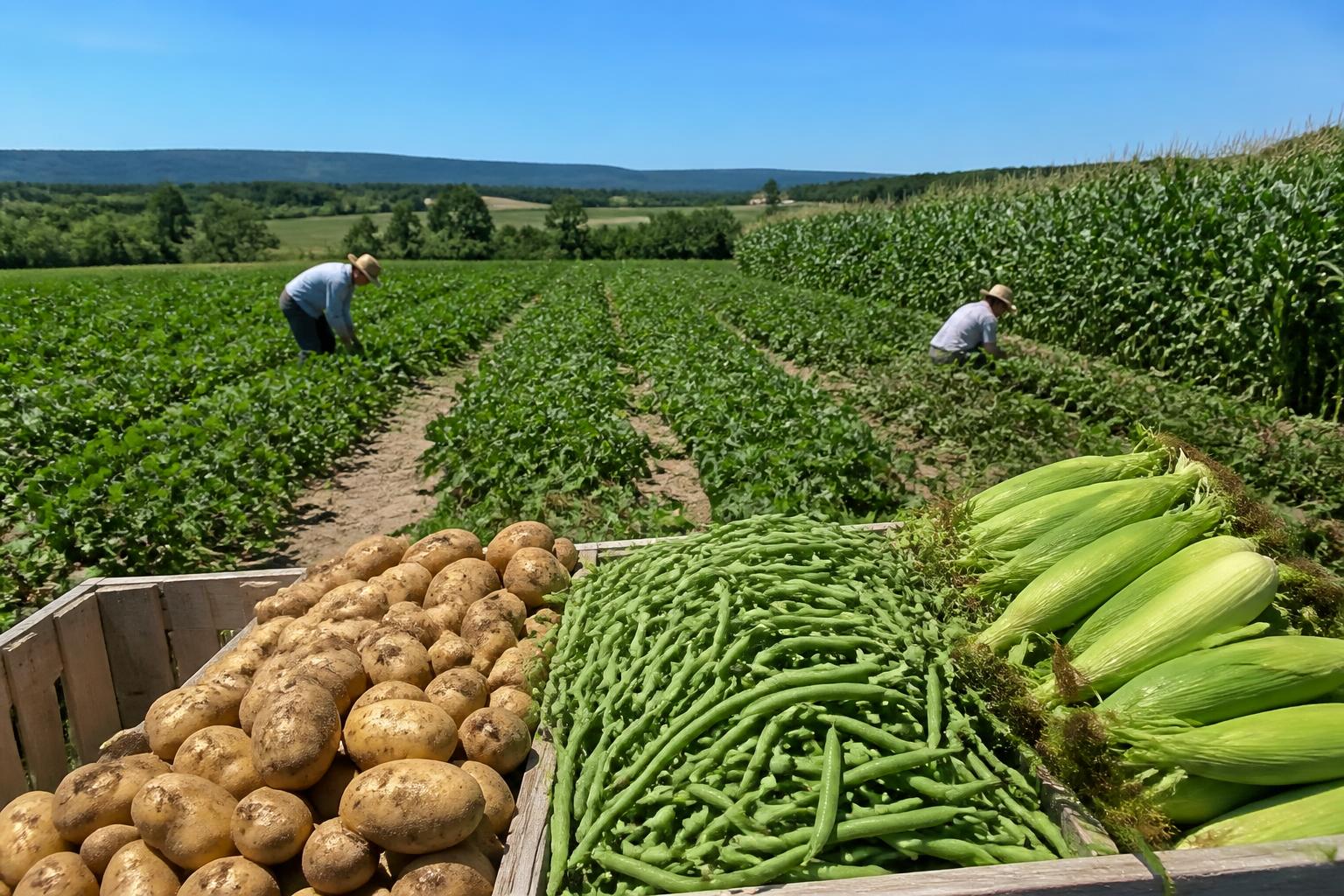
As the summer harvest gets underway across Virginia, local growers are facing a complex economic landscape. While weather conditions have been highly favorable for specialty crops along the Eastern Shore, the financial burden of essential inputs remains a persistent challenge. Managing summer nutrient applications effectively has become a top priority for agribusinesses seeking to protect their margins from volatile global markets.
With global tensions driving up the cost of energy and crop nutrients, farmers are increasingly looking toward precise management strategies and regional conservation programs. Balancing these immediate operational expenses with long-term soil health is crucial as producers strive to keep Virginia's agricultural economy resilient.
Geopolitical Pressures Inflate Nutrient and Fuel Budgets
Virginia agricultural operations are feeling the direct impact of international volatility. Geopolitical conflicts, including tensions involving Iran, have led to significant price increases for diesel and fertilizer. Because these inputs represent a substantial portion of annual operating budgets, sudden price spikes force growers to carefully evaluate every acre's nutrient plan.
For those navigating declining crop yields and operational pressures, the combination of expensive fuel and costly fertilizer requires unprecedented efficiency. Growers cannot simply cut back on essential nutrients without risking crop quality, making precision application and targeted soil testing more vital than ever.
Climate-Smart Initiatives Offer New Pathways
In response to rising input costs and evolving environmental standards, many Virginia producers are participating in localized sustainability initiatives. A primary example is the Alliance to Advance Climate-Smart Agriculture, led by Virginia Tech. In its first year alone, the landmark pilot program enrolled over 1,300 farms, demonstrating a strong regional interest in conservation-minded farming practices.
These climate-smart programs often support practices that optimize fertilizer use, reduce runoff, and enhance soil organic matter. By participating in these structured frameworks, growers can gain access to financial incentives and technical resources that help offset the initial costs of adopting advanced nutrient management technology.
Seasonal Crop Demands and Logistics
Despite the pricing hurdles, some sectors of the state's agricultural industry are experiencing strong momentum. Excellent weather has supported high-quality yields for Eastern Shore potatoes, green beans, and sweet corn. In fact, Virginia potato prices have seen dramatic increases, more than doubling in some summer marketing windows. This high-value output underscores the necessity of timely fertilizer applications to ensure premium grade standards are met.
Moving these crops from the coastal fields to broader markets requires navigating peak summer logistics demands, where transportation fuel costs further compound the total expense of production. Ensuring that every pound of fertilizer applied translates directly to harvestable yield is the most effective way for growers to safeguard their returns during these high-stakes shipping windows.
What it means for the market
For Virginia's fertilizer retailers, distributors, and farmers, the summer market emphasizes the need for flexible procurement and precision application. While strong specialty crop prices provide some financial relief, high baseline energy and fertilizer costs will continue to squeeze margins. Agribusinesses should focus on soil testing, split-application techniques, and leveraging state-sponsored climate-smart programs to maximize nutrient efficiency and mitigate global market volatility.
Comments
No comments yet - be the first to share your take.