
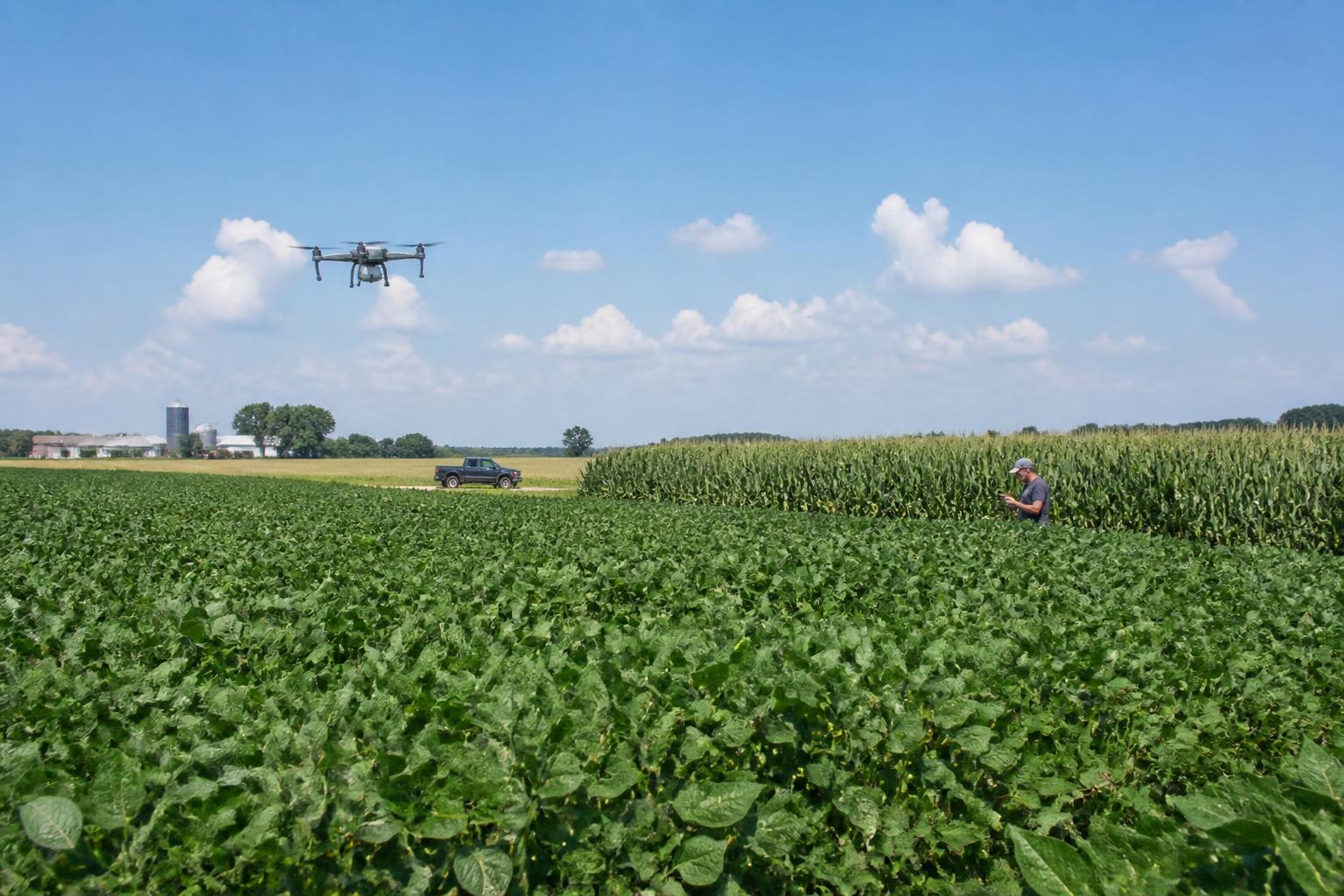
As summer field operations move into full swing across Ohio, crop producers are facing the dual challenge of protecting local waterways and optimizing their input budgets. With regional focus intensifying on water quality in the Lake Erie basin and major agricultural hubs like Allen County driving millions of dollars in local productivity, nutrient management has transitioned from a seasonal chore to a highly calculated strategic decision.
To navigate these pressures, growers are increasingly combining state-supported conservation frameworks with cutting-edge digital tools. This proactive approach aims to limit nutrient loss while securing crop yields during crucial summer growth stages.
H2Ohio Adoption and the Persistence of Runoff Challenges
Ohio's voluntary conservation initiative, H2Ohio, continues to see strong participation from farmers eager to implement best management practices. The program provides financial incentives for actions such as subsurface nutrient placement, cover crops, and manure incorporation. Despite high adoption rates among producers, particularly in the northwestern corner of the state, public concern over Lake Erie's seasonal algae blooms remains high.
Agricultural advocates emphasize that while conservation practices are taking hold on thousands of acres, weather variability and historical soil legacy phosphorus mean that water quality improvements require a long-term commitment. For local growers, this reality translates into tighter scrutiny of fertilizer application timings and placement methods throughout the summer months.
New Tech and Apps Streamline Application Timing
To prevent costly nutrient runoff, Ohio growers are turning to newly developed digital solutions. A recently launched application is helping farmers determine the precise window for spraying and spreading fertilizers. By analyzing real-time weather forecasts, soil moisture levels, and wind patterns, the tool advises operators on when conditions are safe for application and when they risk causing runoff or drift.
In addition to software, interest in drone-ready liquid products and precision application machinery is growing. These innovations allow farmers to target nutrients exactly where they are needed, reducing waste and minimizing the volume of active ingredients exposed to unpredictable summer rainstorms.
Navigating Input Costs and Market Pressures
While environmental stewardship drives operational changes on the ground, economic viability remains the primary constraint for agribusinesses. Producers must weigh the cost of high-efficiency application technologies against current retail nutrient prices. High operational costs have made efficient utilization a necessity rather than an option, prompting interest in the latest Ohio fertilizer market developments as growers search for margin relief.
Industry groups continue to advocate for policies and domestic supply chain enhancements that could lower overall fertilizer costs, ensuring that conservation-minded practices do not compromise the financial solvency of family farms.
Key Takeaways for Ohio Operators
- Watch the Weather: Use digital application tools to monitor local forecasts, ensuring that summer top-dress or rescue nitrogen treatments are not followed by heavy rain.
- Leverage H2Ohio: Explore available state funding and technical assistance programs to offset the cost of transitioning to precision nutrient placement.
- Optimize Equipment: Consider working with local co-ops or custom applicators utilizing advanced strip-till or precision-drop machinery to maximize fertilizer-use efficiency.
What it means for the market
For the broader agricultural market, Ohio's focus on precision nutrient application indicates a structural shift toward efficiency over volume. Fertilizer retailers and manufacturers who offer specialized, highly stable, or drone-compatible products are likely to see steady demand, even as total tonnage applied may adjust. As conservation programs and digital tools become standard practice, the ability to document precise application timing will increasingly influence both local land values and crop marketing opportunities in sensitive watersheds.
Comments
No comments yet - be the first to share your take.