
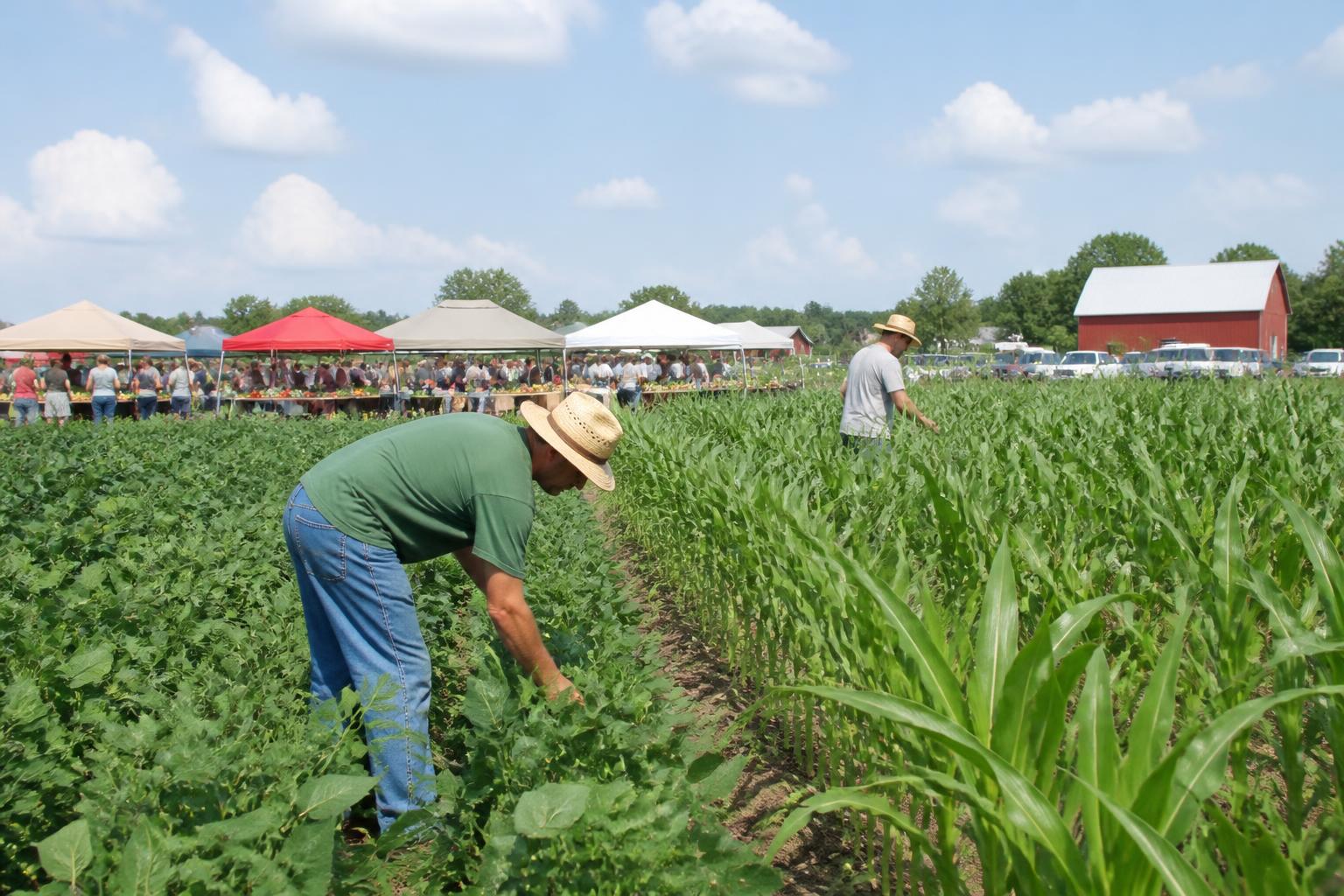
Indiana's agricultural sector is navigating a complex and highly active summer season. While known globally for massive corn and soybean production, Hoosier producers are balancing high land values, recovering crops, and shifting supply chains. Despite early-season weather challenges, including late spring frosts, Indiana's fields are showing remarkable resilience as the state moves deeper into the summer growing season.
For grain handlers, buyers, and local operators, understanding these shifting dynamics is essential for managing risk and planning storage. From the high-quality soil of central Indiana to the transport hubs in the northern and southern corners of the state, maintaining operational flexibility remains a top priority for agribusinesses.
High Farmland Values Support Balance Sheets Amid Market Volatility
Despite fluctuations in the broader agricultural economy, farmland values in Indiana remain exceptionally strong. Tight supply and consistent demand from both local operators and institutional investors have kept land prices near historic highs. This strong valuation provides a solid equity foundation for established Hoosier farmers, helping to offset tighter profit margins on grain sales.
However, these elevated land values also present challenges, particularly for younger producers or those looking to expand their operations. Cash rent negotiations for upcoming seasons are expected to remain competitive, forcing producers to look closely at their cost of production and crop marketing strategies to protect their bottom line.
Crop Recovery and Disease Pressure in the Mid-Summer Heat
Indiana's crops have faced an eventful weather cycle this year. Following a cold snap in May that brought unexpected frost, many early-planted soybeans demonstrated impressive resilience, bouncing back as warmer temperatures took hold in June. This recovery has kept yield potential optimistic across many counties.
As steady summer weather continues, crop scouts and agronomists are keeping a close watch on potential disease pressure. Steady humidity and warm nights can accelerate the spread of foliar diseases, making active field scouting critical. Farmers are currently balancing these agronomic challenges with price protection, using target-driven Indiana grain market dynamics and crop disease management strategies to lock in margins whenever brief market rallies occur.
Diversification and Regional Food Supply Chains
While corn and soybeans continue to dominate the landscape, Indiana's agricultural footprint is increasingly diverse. From specialty popcorn and tomatoes to value-added food processing facilities in Northwest Indiana, the state is strengthening its regional food supply chains. Programs supporting veteran-led agricultural non-profits, such as the At Ease Orchard partnership, further demonstrate the expanding scope of Indiana's rural economy.
Logistical efficiency is key to keeping these diverse products moving. Modernizing infrastructure along key highway corridors and rail lines ensures that Indiana's grain and specialty crops can reach domestic and international markets efficiently. Navigating these regional shipping corridors is a critical element of summer ag logistics in Indiana, especially as elevators prepare for the seasonal transition toward late-summer and fall harvest activity.
Key Takeaways for Hoosier Producers
- Equity Stability: Strong farmland values continue to support farm balance sheets, though they keep cash rent pressures high.
- Agronomic Vigilance: Soybeans have recovered well from early-season frost, but ongoing scouting for disease remains vital during steady summer heat.
- Logistics Preparation: Ensure transportation and on-farm storage systems are ready to handle both traditional grains and specialty crop contracts.
What it means for the market
For the Indiana agricultural market, the current landscape demands careful risk management rather than waiting for dramatic post-harvest rallies. High land equity provides a safety net, but cash flow management is tight. Elevators, carriers, and producers who stay ahead of local logistics and utilize disciplined marketing strategies will be best positioned to navigate the remainder of the summer crop cycle.
Comments
No comments yet - be the first to share your take.