
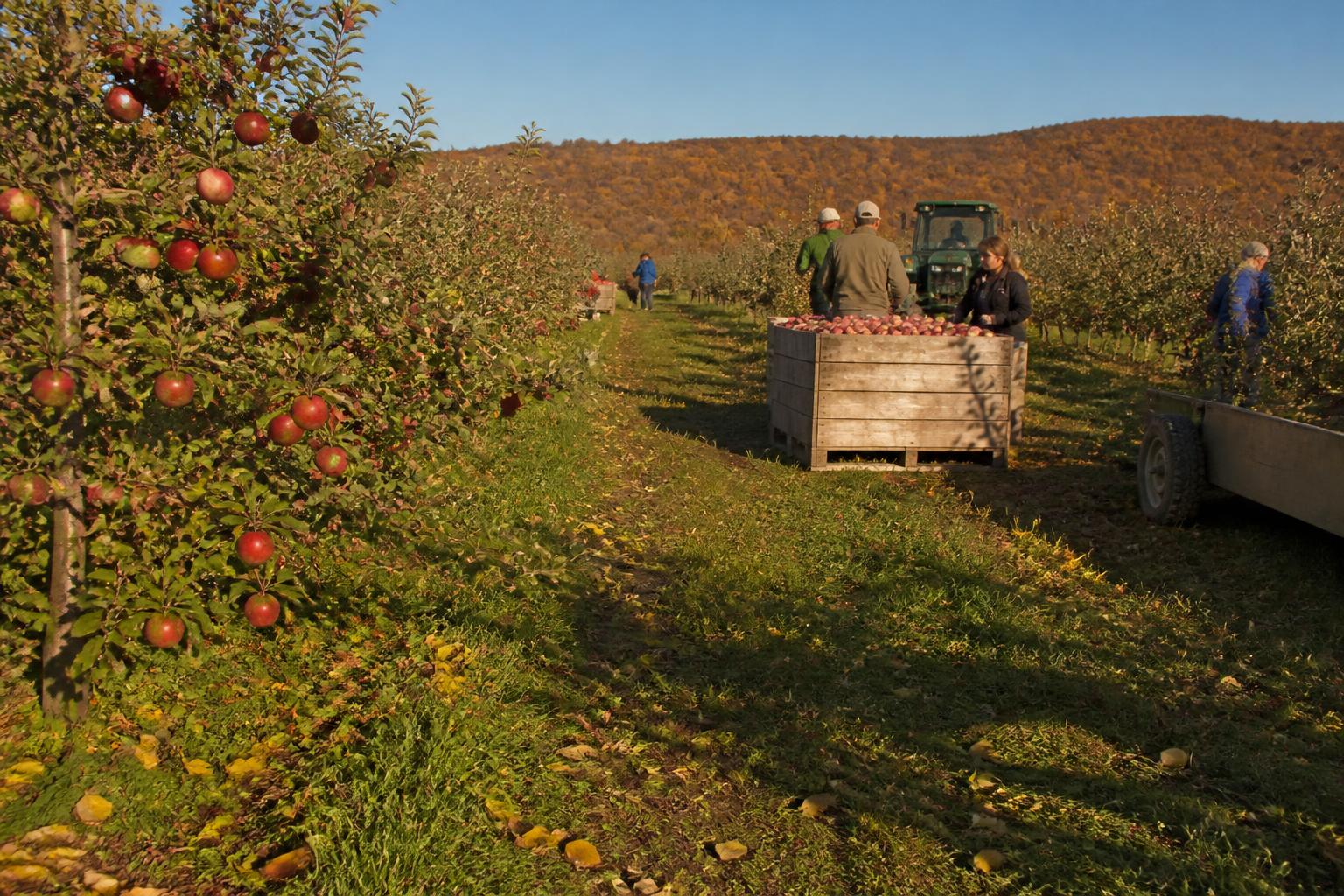
As Pennsylvania producers navigate the complexities of a varied harvest season, the state's agricultural landscape is shifting toward long-term operational efficiency. Recent initiatives focused on logistics and infrastructure are designed to support the state's diverse commodity sectors, ranging from specialty crops to traditional grain operations. By addressing both the physical preservation of farmland and the modernization of freight systems, stakeholders are positioning themselves for greater stability in an evolving market.
For those managing input costs and operational overhead, recent developments in diesel emission reduction programs offer a path toward lower long-term logistics expenses. With significant state-level funding now directed toward local projects across multiple counties, grain handlers and transport providers may find new opportunities to upgrade their fleets. This focus on improving freight efficiency is a critical component for regional agribusinesses looking to maintain competitiveness while navigating the pressures often seen during peak haul periods, as discussed in Pennsylvania Harvest Logistics: Adapting to Fall Market Pressures.
Prioritizing Land and Asset Longevity
The commitment to securing the future of Pennsylvania agriculture is further evidenced by ongoing farmland preservation efforts. By protecting acreage in key agricultural hubs, such as Bucks County, the state helps ensure that production capacity remains stable despite urban and industrial encroachment. This structural protection is essential for long-term farm succession and investment, themes that resonate throughout the industry as families seek to modernize their legacy operations.
Sustainability continues to be a cornerstone of these efforts, with significant industry focus on the proven benefits of no-till farming practices. Implementing these techniques can help maintain soil health and reduce the need for intensive field work, serving as a buffer against volatile weather conditions. This approach is gaining traction as part of a broader strategy to manage risks, which is vital when considering the input fluctuations often described in recent reports on Pennsylvania Agricultural Inputs: Navigating Rising Custom Service Costs.
Market Diversification and Institutional Support
The influx of federal and state funds, including specific support for specialty crop research and development, indicates a strong institutional backing for agricultural innovation. These investments help diversify the state's economic base and provide growers with the tools necessary to adapt to shifting climate patterns—such as the regional volatility in fruit production experienced after erratic spring weather. Furthermore, large-scale industrial commitments to the state continue to underscore Pennsylvania's role as a vital node in the national food supply chain. For producers looking to understand the broader implications of these shifts, staying informed on Pennsylvania Agricultural Policy and Infrastructure Updates remains an essential task for seasonal planning.
What it means for the market: For Pennsylvania farmers and agribusinesses, the current environment emphasizes a strategic move toward asset protection and operational efficiency. By leveraging state-sponsored logistics grants and maintaining a focus on sustainable, long-term soil management, producers can better insulate their bottom lines against the rising costs of inputs and the inherent volatility of seasonal production. Focusing on these long-term efficiencies will likely be a key driver for profitability as we head into the next planning cycle.
Comments
No comments yet - be the first to share your take.