
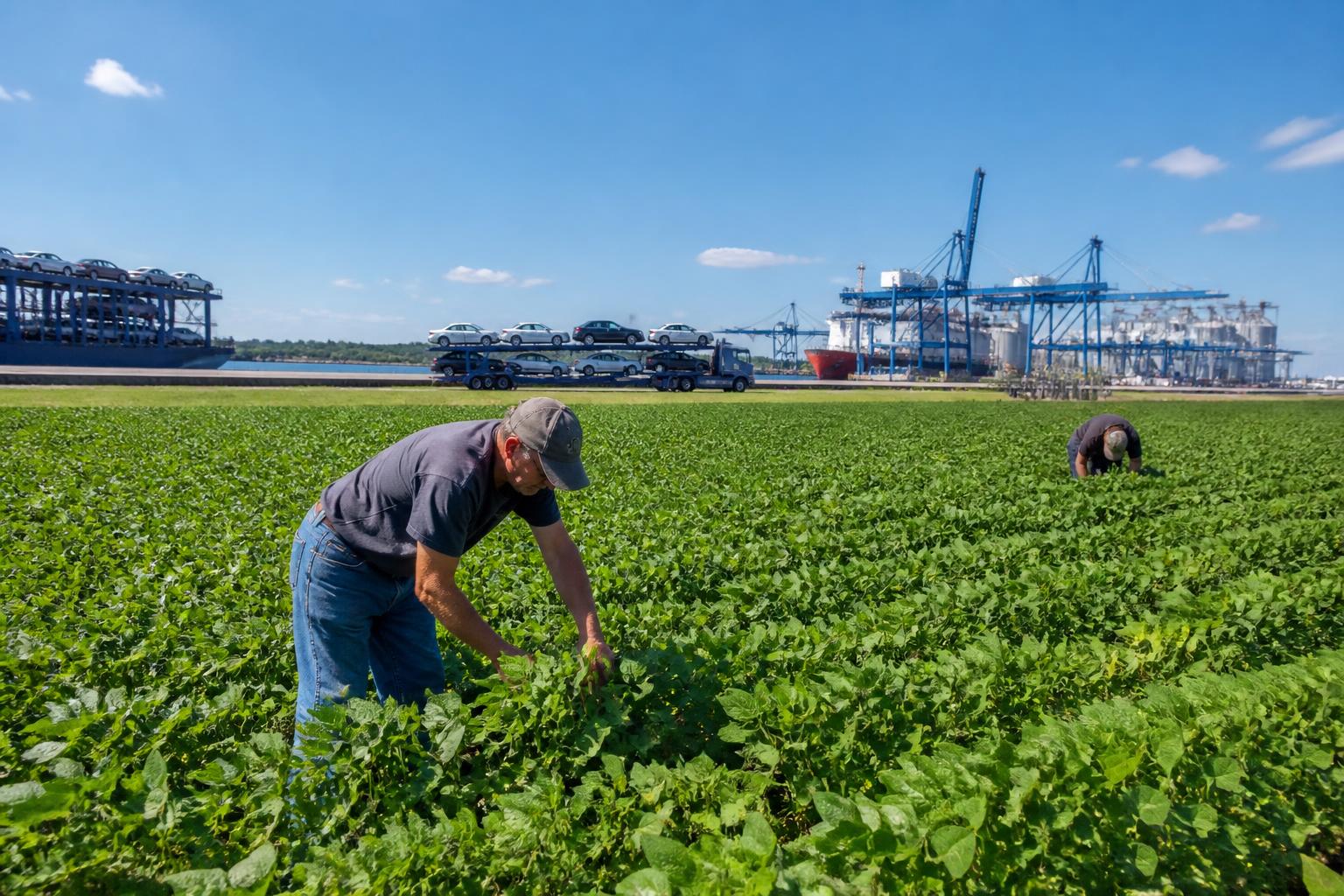
Michigan row crop producers are navigating a highly challenging summer in 2026 as a persistent cost-price squeeze pressures farm margins. High operating costs paired with softening commodity prices have left many growers facing negative returns. In response, agribusinesses, grain handlers, and regional planners across the Great Lakes State are looking toward alternative market channels, localized food hubs, and new export logistics to optimize their operations.
Navigating the Row Crop Cost-Price Squeeze
According to reports from Michigan Farm News, row crop producers are facing a difficult financial environment where high input and machinery costs are colliding with depressed commodity prices. This margin squeeze has forced growers to re-evaluate their marketing strategies and minimize overhead wherever possible. Minimizing storage and handling costs is critical, and local elevators are working closely with farmers to find marketing windows that offer even small basis improvements.
To navigate these narrow margins, producers are looking closely at regional grain infrastructure and summer market dynamics to make informed post-harvest delivery decisions. Every cent saved on handling, drying, and storage could make the difference between a positive or negative ledger at the end of the season.
Expanding Logistics Pathways at the Monroe Container Port
As logistics costs remain a major component of farm expenses, developments at the Port of Monroe offer a promising new avenue for Michigan shippers. Initiatives to utilize the Monroe container port for moving both automobiles and agricultural products could establish a vital direct-to-container pipeline in Southeast Michigan. This would help bypass congested rail corridors and interstate highways, particularly along the busy I-75 and I-94 corridors.
This initiative fits into a broader pattern of optimizing Great Lakes shipping routes. Streamlining transportation through Michigan agricultural logistics and infrastructure expansions remains a top priority for state commodity groups aiming to improve global competitiveness during the peak summer shipping season.
Strengthening West Michigan Supply Chains via the Muskegon Food Hub
Beyond bulk grains and international exports, localized food systems are receiving renewed attention as a tool to insulate growers from volatile global commodity markets. A recent Michigan State University study on the Muskegon Food Hub operations highlights how regional hubs can strengthen food systems and improve healthy food access across West Michigan.
By connecting local fruit, vegetable, and specialty crop growers directly with institutional buyers and regional distributors, food hubs offer more stable pricing structures. For growers managing high-value crops, securing these reliable localized contracts helps offset the high cost of inputs. This regional focus is especially vital as growers tackle critical summer crop protection decisions and weather-related agronomic risks in the heat of the season.
What it means for the market
For Michigan agribusinesses, the summer of 2026 is a period of transition and strategic belt-tightening. While row crop margins remain highly restricted by the ongoing cost-price squeeze, the expansion of container capabilities at the Port of Monroe and localized infrastructure developments like the Muskegon Food Hub offer practical solutions. Farmers and logistics managers should actively explore these emerging regional shipping channels and localized supply networks to reduce freight costs and capture premium pricing where available.
Comments
No comments yet - be the first to share your take.