
As summer gets underway, Virginia agribusinesses are navigating a complex landscape of shifting federal regulations, local biosecurity threats, and international trade disruptions. From the poultry barns of the Shenandoah Valley to the grain terminals of the coastal ports, operators are adapting to new rules designed to protect growers, while simultaneously monitoring global market shifts that could impact demand.
For local producers, managing operational risks is becoming increasingly critical during this active production season. Amid these evolving dynamics, Virginia farmers navigate declining corn yields and rising costs, making regulatory clarity and market stability essential for maintaining farm-level profitability.
Federal Oversight Targets Poultry Contract Transparency
A new federal rule is shaking up the poultry sector, aiming to curb what regulators describe as deceptive practices in contract poultry production. This development is particularly significant for Virginia's poultry industry, which represents a major share of the state's agricultural economy, with heavy concentrations of growers on the Eastern Shore and in the Shenandoah Valley.
The regulation seeks to bring greater transparency to the tournament system, where independent contract growers are paid based on their efficiency compared to other producers. Under the new rule, integrators must provide detailed disclosures regarding feed quality, chick health, and historical grower placement data. This move is designed to level the playing field, ensuring that family farmers have the necessary information to make informed financial decisions before signing long-term agreements.
State Regulators Issue Warnings Over Unsolicited Seeds
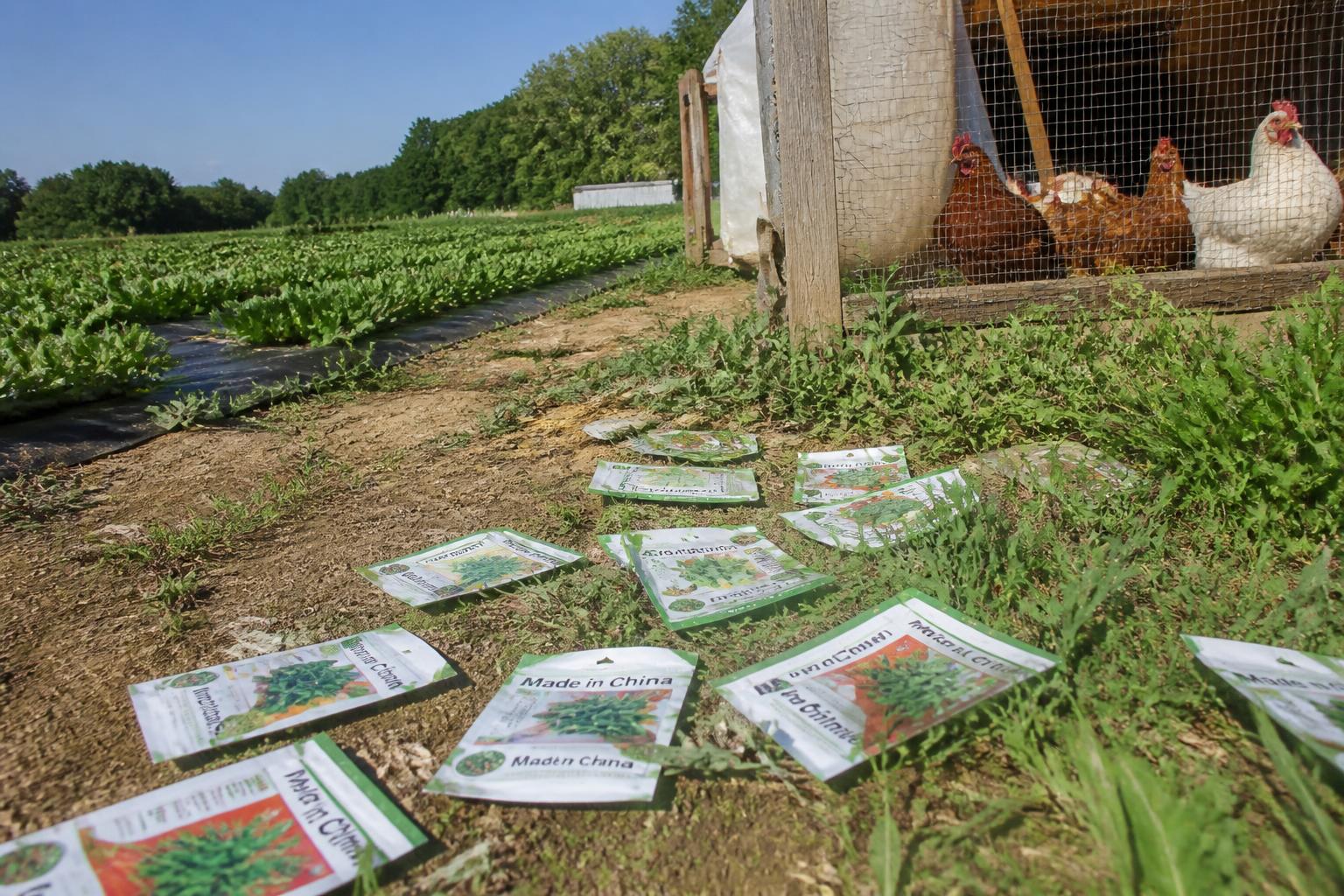
On the biosecurity front, Virginia agricultural officials have joined neighboring Maryland in issuing warnings to residents and landowners regarding unsolicited seed packages arriving from China. Authorities urge recipients not to plant these seeds, as they could introduce invasive plant species, agricultural pests, or seed-borne pathogens that threaten native crops and commercial farming operations.
State agencies recommend that anyone receiving these unexplained packages keep the seeds and their original packaging intact and contact the Virginia Department of Agriculture and Consumer Services (VDACS) immediately. Maintaining strict biosecurity protocols is vital to protecting the state's grain, forage, and vegetable sectors from external biological threats.
Global Export Uncertainty Amid USAID Program Freezes
On a broader scale, U.S. commodity markets are experiencing uncertainty due to a freeze in certain USAID foreign aid programs. This freeze has raised concerns among domestic grain handlers and exporters who rely on government-backed food aid shipments to move surplus commodities, such as wheat, corn, and soy, into international markets.
While local terminals in Virginia's coastal corridors continue to handle routine commercial shipments, any reduction in federal food aid purchasing can ripple back to local elevator bids. Producers and merchandisers are watching these policy shifts closely to determine how global demand structures might adjust as the summer export season progresses.
Key Takeaways for Virginia Operators
- Poultry Contract Adjustments: Growers should review upcoming contract disclosures to better evaluate performance expectations and inputs under the new federal transparency rules.
- Biosecurity Vigilance: Farm managers and landowners must remain alert to unusual mailings or seed packages, reporting them promptly to prevent potential pest infestations.
- Export Channel Monitoring: Grain elevators and marketing cooperatives should monitor federal aid policy adjustments, as shifts in USAID purchasing may influence domestic basis levels and export demand.
What it means for the market
The combination of stricter poultry contracting rules, biosecurity warnings, and international export freezes underscores the necessity of active risk management for Virginia's agricultural sector. While the federal poultry rule aims to protect growers from unfair practices, it may also lead to operational adjustments by major integrators. Meanwhile, grain and soy producers must stay agile, balancing local production challenges with volatile international demand pathways as summer progresses.
Comments
No comments yet - be the first to share your take.