
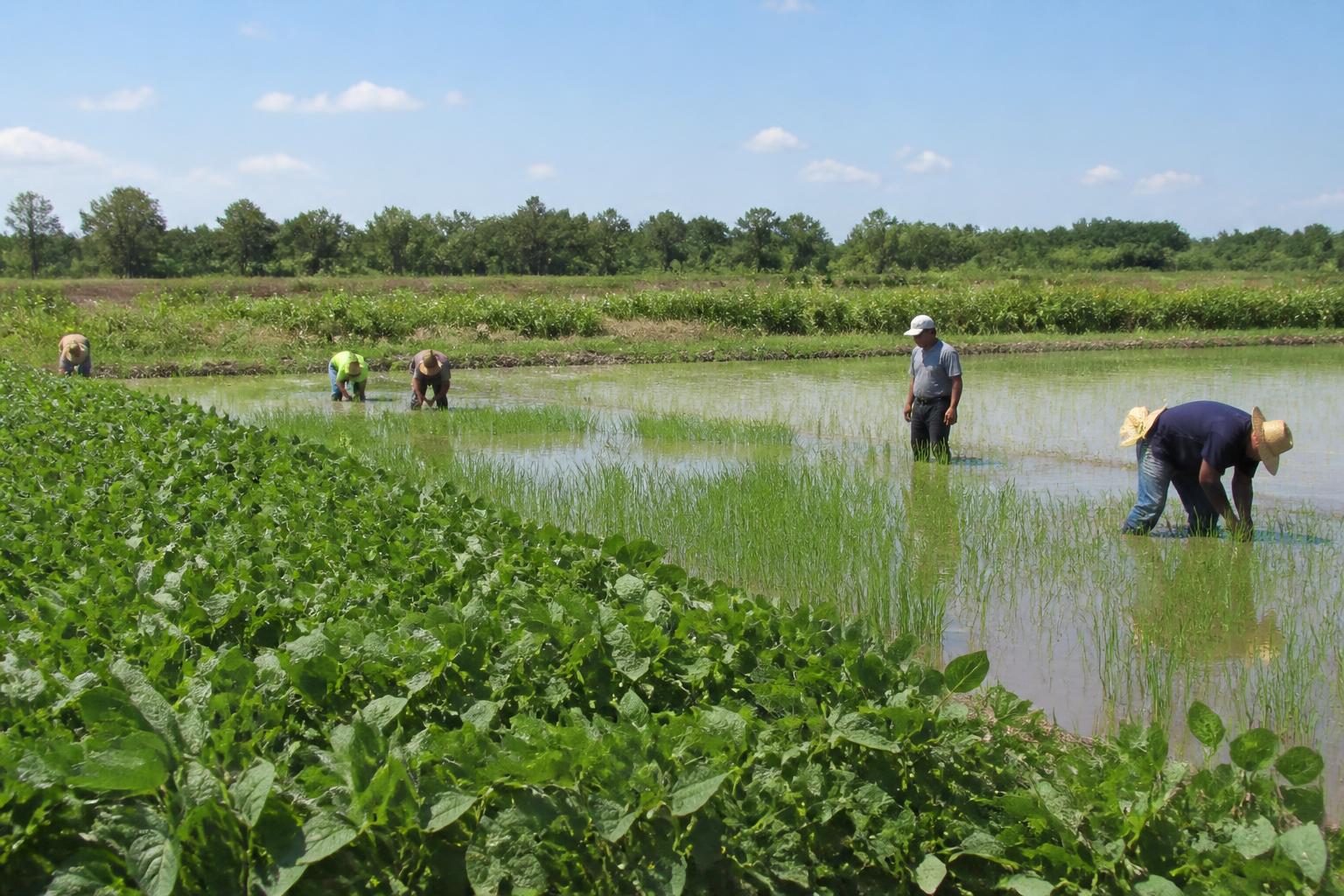
Mid-summer in Mississippi marks a period of intense focus for growers as they manage ongoing crop protection needs and prepare for upcoming harvest logistics. The state’s agricultural sector remains dynamic, with academic leadership at institutions like Mississippi State University recently evolving to address the complex challenges of plant protection and integrated science. For local producers, staying aligned with these research-backed advancements is essential for maintaining field health during the heat of the season.
Research and Field Management
The emphasis on plant science remains a cornerstone for Delta producers. As research teams continue to focus on innovative approaches to crop health, farmers are encouraged to monitor local environmental stressors closely. Understanding the interplay between temperature, moisture, and pest pressure is critical to optimizing yield potential. When managing these variables, growers often rely on regional data to refine their input applications and protect long-term soil integrity.
Logistical Considerations for the Season
Beyond the field, the movement of grain and agricultural inputs remains a primary concern for agribusinesses across the state. Mississippi River transit continues to be a central artery for regional commerce, though it is subject to the inherent volatility of river levels and seasonal disruptions. Efficient input efficiency and careful management of grain storage are necessary to mitigate potential delays in the supply chain as we look toward the fall.
What it means for the market
For farmers and handlers, the current landscape necessitates a dual focus: technical rigor in plant protection and agility in logistics. As the season progresses, the ability to pivot based on real-time transportation conditions and emerging plant science will be a key differentiator. Producers should keep a close watch on regional transportation updates and coordinate closely with local elevators to ensure that storage capacity is managed effectively ahead of the harvest rush.
Comments
No comments yet - be the first to share your take.