
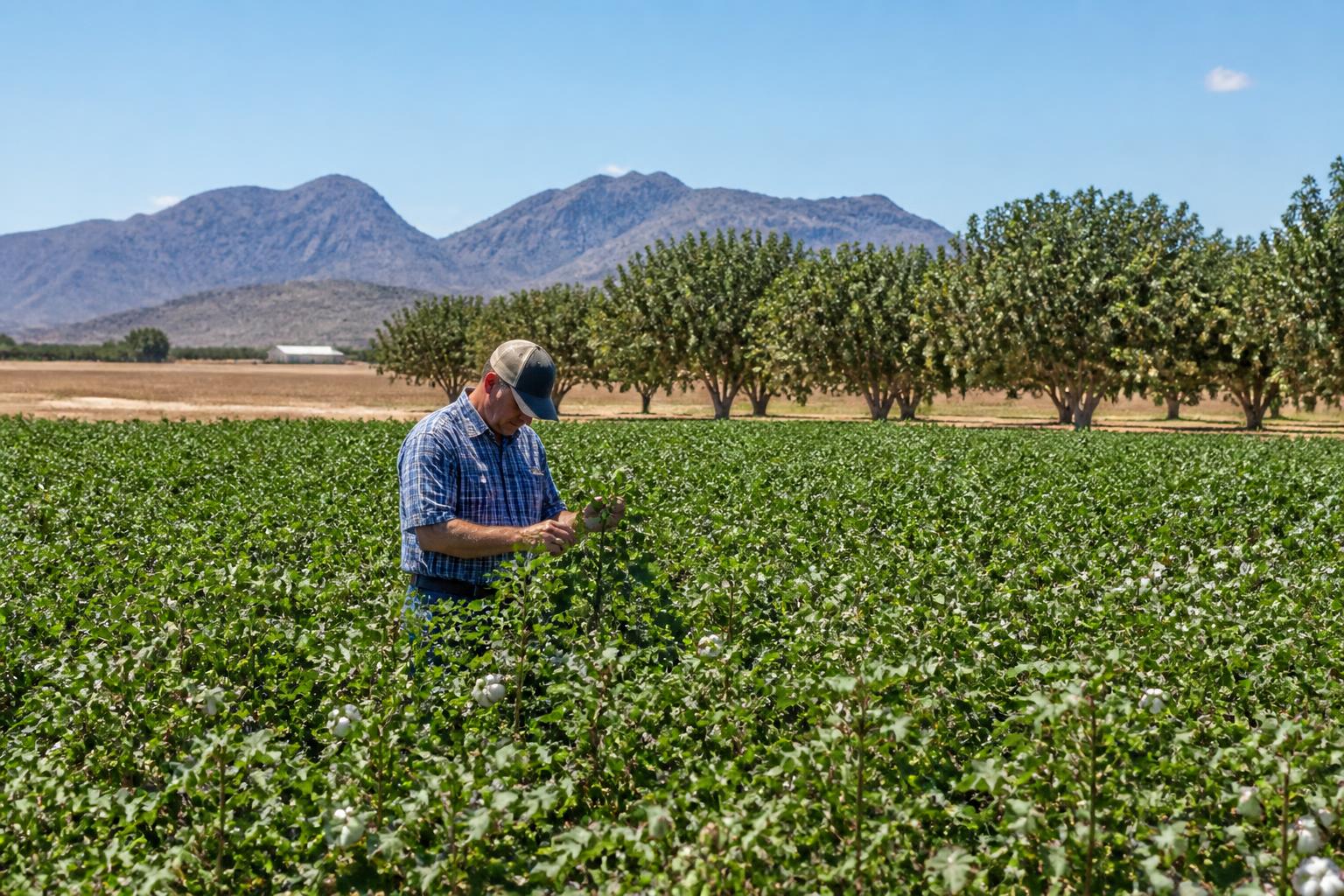
As Arizona growers navigate the intense summer heat of late June, nutrient management strategies are taking center stage. Preparing desert soils for the upcoming winter vegetable cycle while sustaining active summer crops requires a careful balance of chemistry and timing. While neighboring regions have seen steep declines in traditional crops like cotton, Arizona cotton acreage has shown greater resilience, creating a steady, reliable demand for seasonal fertilizer applications.
Managing nutrients in arid conditions means local agribusinesses must plan ahead. By focusing on phosphorus efficiency and exploring stress-resistant inputs, Arizona farmers are positioning themselves to maximize yields despite challenging desert climates.
Optimizing Phosphorus and Potash in Desert Soils
Desert soils present unique chemical challenges, particularly regarding phosphorus retention. Recent agricultural research has increasingly targeted phosphorus efficiency in winter vegetable production, helping growers minimize waste and prevent nutrient tie-up in highly alkaline soils. Phosphorus is critical for early root development, making summer soil preparation essential before planting winter lettuce and brassicas in regions like Yuma County.
Additionally, local fertilizer discussions often highlight Arizona's own geological resources, such as the potash reserves located in the Holbrook Basin. Successfully optimizing desert soil nutrients is vital for long-term soil health, ensuring that high-value permanent crops like pistachios, which contribute significantly to the regional agricultural economy, receive balanced nutrition throughout the year.
Biological Innovations and Heat Mitigation
With summer temperatures soaring, crop stress is at an all-time high. Arizona farmers are increasingly turning to biological fertilizers and organic soil amendments to improve soil structure and microbial health. The recent USDA Organic approval of innovative biological technologies, such as MustGrow's soil amendment platform, highlights a growing trend toward sustainable, non-chemical options that protect roots from pathogens and heat-induced decline.
By leveraging stress-resistant fertilizers, desert growers can bolster crop defense mechanisms during critical summer growth phases. This is particularly important for the state's resilient cotton crops and young pistachio orchards that must survive the extreme summer microclimates.
Summer Logistics and Supply Chains
Securing fertilizer supplies during the peak of summer requires foresight. Moving bulk liquid and dry fertilizers across Arizona's key transit corridors, including Interstate 10 and Interstate 8, demands careful planning to avoid heat-related transport delays. Coordinating deliveries during cooler overnight hours is a common practice among regional distributors.
Navigating these Arizona desert logistics successfully ensures that retail elevators and on-farm storage tanks remain fully stocked ahead of the high-demand pre-planting season in late summer.
Key Takeaways for Arizona Growers
- Plan Phosphorus Applications Early: Utilize current efficiency research to map out winter vegetable nutrient budgets.
- Explore Organic and Biological Amendments: Consider USDA-approved biological options to improve root resilience against extreme heat.
- Secure Summer Potash: Monitor regional potash availability to prepare for late-summer soil preparation.
What it means for the market
For the broader Arizona agricultural market, proactive summer nutrient planning translates to lower input waste and more predictable yields. As commodity values for permanent crops like pistachios remain competitive, the incentive to invest in high-efficiency fertilizers and biological soil amendments will keep local demand strong through the dog days of summer, setting the stage for a robust fall planting season.
Comments
No comments yet - be the first to share your take.