
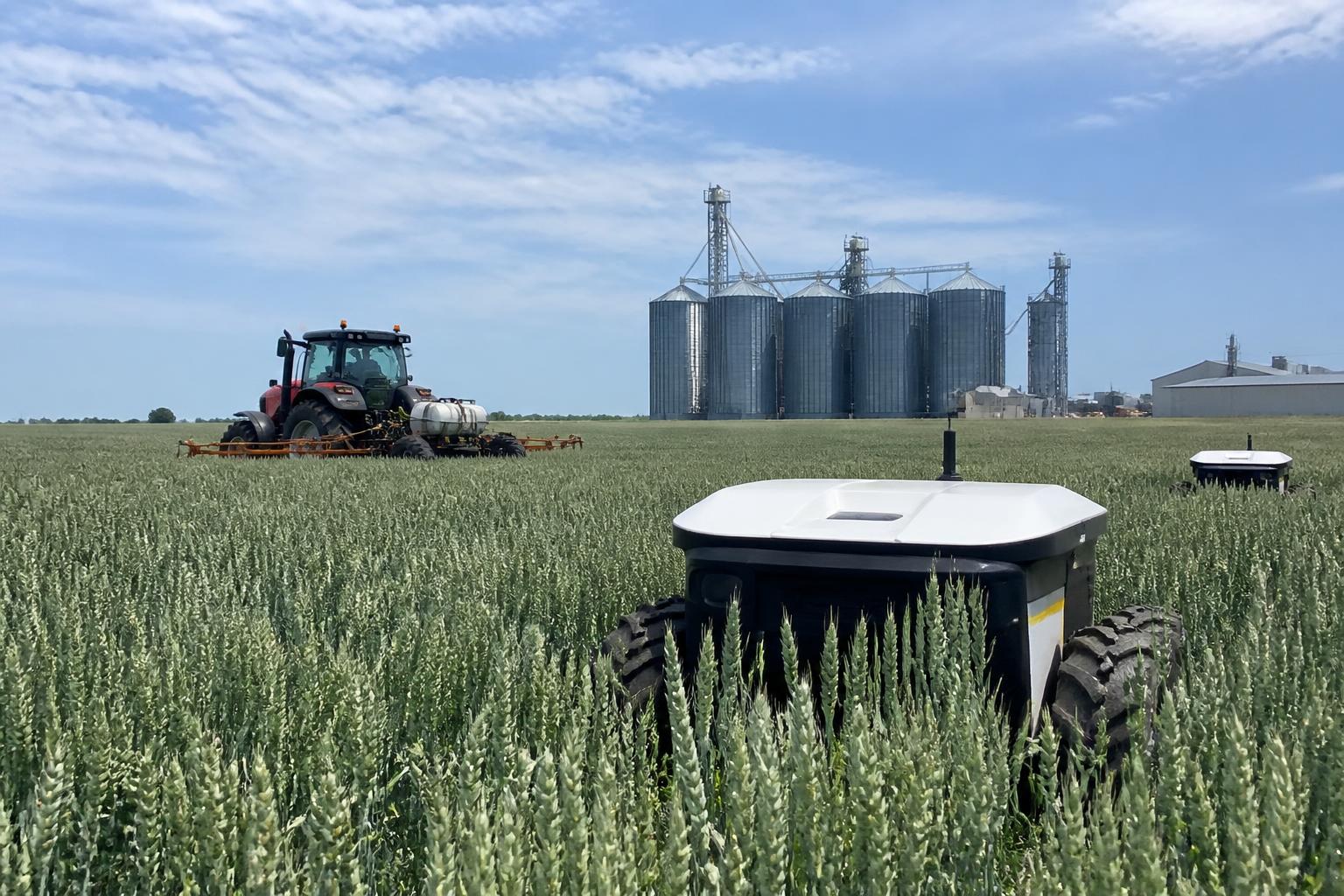
As Ohio grain producers move through the mid-summer season, a combination of regional facility transitions, changing corn demand, and shifting market spreads is reshaping the agricultural landscape. The recent closure of Cargill's Dayton facility has highlighted the local vulnerability in corn demand, prompting growers to seek alternative pathways and marketing strategies. At the same time, regional consolidation continues, as seen in the recent joint acquisition of a grain facility by Growmark and Legacy Farmers Cooperative.
With grain prices tracking lower compared to recent years, Ohio farmers are being forced to adapt. These lower prices are driving a renewed focus on storage economics, local basis, and input management. To keep margins workable, growers are looking closely at regional logistical shifts and adjusting their storage and marketing strategies accordingly.
Logistical Consolidation and the Dayton Impact
The loss of the Cargill grain processing facility in Dayton has left a noticeable gap in regional corn demand. Growers in western Ohio, particularly those operating near major transit corridors like Interstate-75, are having to adjust their traditional hauling patterns. To offset such losses, expanding local corn demand and finding new end-use markets have become key priorities for regional agricultural advocates.
Meanwhile, cooperative partnerships are stepping up to secure local grain infrastructure. The acquisition of a regional grain facility by Growmark and Legacy Farmers Cooperative showcases how local organizations are attempting to maintain reliable marketing outlets for producers. Such facility acquisitions are critical for stabilizing local basis and ensuring that farmers have sufficient delivery points during the hectic harvest seasons.
Evaluating Market Carry, Spreads, and Input Management
Lower market prices are fundamentally changing how Ohio growers plan their marketing year. Experts note that understanding market carry - the premium paid for delivering grain in future months versus the current month - is essential. When the market offers a strong carry, storing grain on-farm or utilizing cooperative storage can pay off, provided the physical storage costs do not outweigh the future price premium.
Tight margins also demand a highly disciplined approach to crop inputs. Ohio producers are attempting to offset lower grain revenues by keeping a tight lid on production expenses. Integrating smart fertility plans and leveraging softening retail prices for inputs can provide a much-needed buffer. Additionally, adopting efficient summer nutrient strategies to maximize fertilizer budgets is becoming standard practice for operations trying to protect their bottom line without sacrificing yields.
Wheat Potential and Farmland Demands
Despite the headwinds facing corn and soybeans, Ohio's wheat crop offers a brighter spot. Encouraged by strong historical price periods that prompted increased plantings, agronomic experts see promising potential for this season's harvest. Soft red winter wheat remains a valuable rotational crop in Ohio, helping to spread out farm labor and supply cash flow during the summer months.
However, long-term concerns over farmland availability continue to grow. Across the state, prime agricultural land is increasingly facing competition from non-farm developments, including technology infrastructure, solar facilities like the upcoming recycling plant in Cambridge, and commercial expansion. This loss of acreage makes maximizing the efficiency and profitability of remaining cropland even more critical for the state's agricultural economy.
Key Takeaways for Ohio Growers
- Dayton Closure: The shutdown of Cargill's Dayton site highlights the ongoing need for diverse local corn demand channels.
- Cooperative Solutions: Partnerships like the Growmark and Legacy Farmers Cooperative acquisition help protect local grain handling capacity.
- Spread Management: Evaluating market carry and basis is crucial for optimizing storage decisions under lower grain price levels.
- Alternative Inputs: Utilizing updated planning tools, such as the revised soil fertility calculator from Ohio State, can help streamline summer application decisions.
What it means for the market
The Ohio grain market is entering a transitional phase where physical logistics and storage flexibility will dictate profitability. While the closure of major processing points like Dayton presents a challenge to local corn basis, cooperative expansions and a promising wheat crop provide key stabilizing forces. Ohio producers who actively monitor market spreads, optimize their storage options, and minimize input waste will be best positioned to weather this period of lower commodity prices.
Comments
No comments yet - be the first to share your take.