
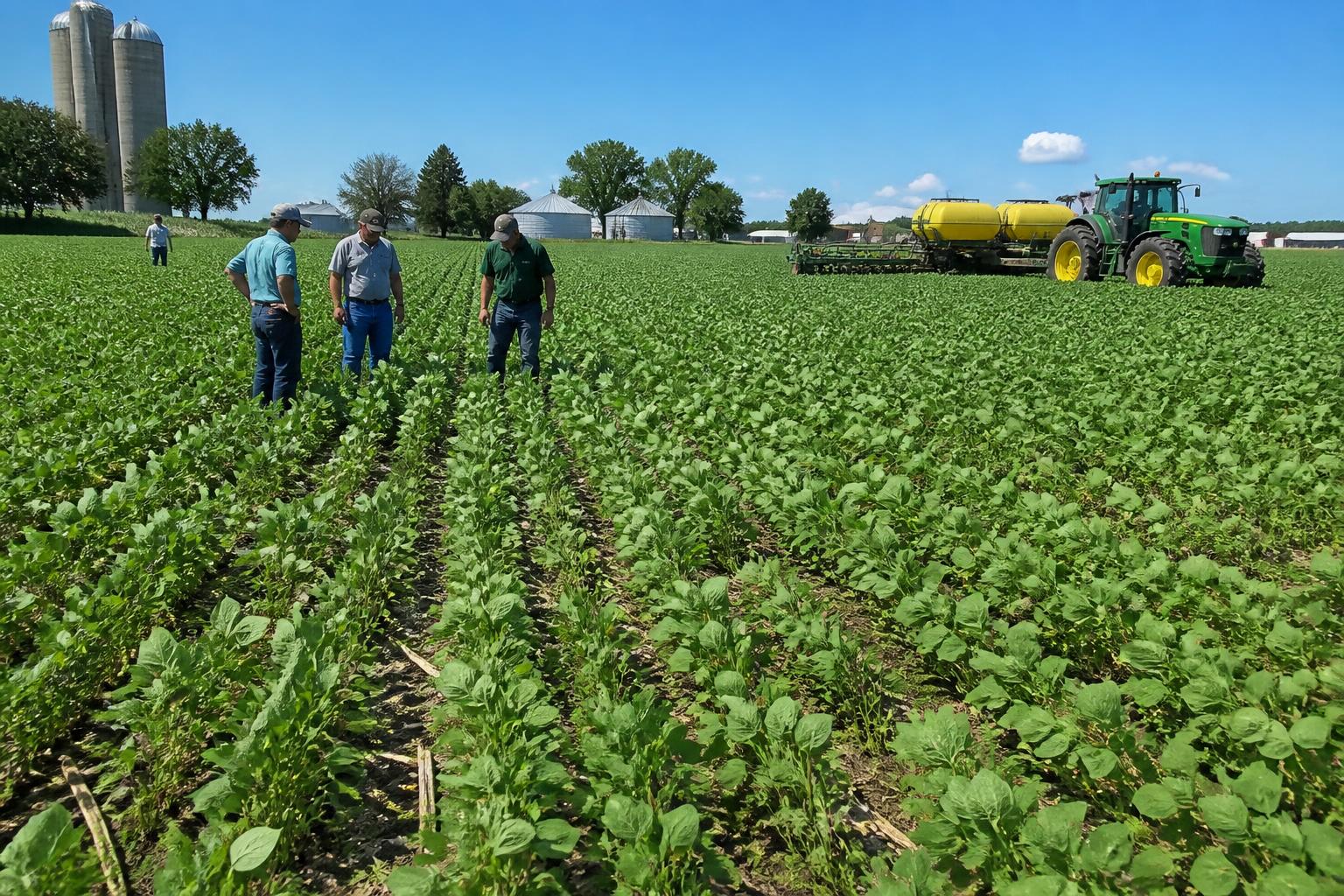
As summer settles across the Upper Midwest, agricultural producers in Minnesota are facing a multi-front challenge. Beyond the usual weed and pest pressures, growers are grappling with structural shifts in climate patterns, volatile input pricing, and the economic realities of grain storage. Maintaining crop health under these conditions requires a strategic mix of biological innovation, careful nutrient management, and disciplined market marketing.
Protecting the crop this season goes beyond traditional chemical applications. High input costs and supply chain uncertainties have forced a closer look at natural defense systems, starting directly in the soil. At the same time, regional logistics and grain handling economics are shifting how farmers value their storage space heading into the second half of the year.
Harnessing Soil Microbes for Enhanced Crop Protection
One of the most promising frontiers in regional crop protection is the active management of soil biology. Healthy soil microbial communities are proving to be a critical line of defense against both environmental stress and plant pathogens. By fostering a diverse microbiome, crops can develop stronger root systems and more resilient natural defense mechanisms.
In Minnesota, where summer weather can swing rapidly from heavy downpours to sudden dry spells, resilient soils are vital. Beneficial microbes work by colonizing root zones, making nutrients more available to the plant, and outcompeting harmful pathogens. Integrating biological solutions and focusing on soil health can help reduce dependency on synthetic inputs while protecting yield potential under adverse climate conditions.
Fertilizer Supply and Pricing Pressures
While biologicals offer long-term protection benefits, traditional inputs remain a dominant line item on every farm ledger. Fertilizer pricing and supply chain reliability have returned to the spotlight, drawing attention at the federal level. A recent Senate hearing underscored ongoing concerns regarding fertilizer supply, market concentration, and pricing transparency.
For crop producers in key growing areas of Minnesota, from the Red River Valley down to the southern counties, managing input costs is a critical part of risk mitigation. With global logistics chains remaining sensitive to disruptions, regional ag retailers and farmers are closely watching wholesale nutrient markets. Optimizing application rates through precision technology and soil testing is no longer just an environmental strategy - it is a financial necessity.
Storage Economics and Carrying Charges
Crop protection extends beyond the field and into the grain bin. As growers assess their current inventories and prepare for the upcoming harvest, understanding the cost of carry is essential. Carrying charges in the futures market dictate whether it is more profitable to sell grain immediately or store it for later delivery.
When cash prices are discounted relative to future months, the market is offering a incentive to store grain. However, this strategy only works if the cost of storage - including interest rates, bin maintenance, and potential quality degradation - does not exceed the market carry. For those looking to balance storage decisions with field management, aligning your marketing plan is essential; check out our guide on navigating pest pressures and summer sales strategies in Minnesota.
Key Takeaways for Minnesota Producers
- Leverage Biology: Focus on soil health and microbial stimulants to build crop resilience against summer climate stresses and root-bound pathogens.
- Monitor Input Costs: Keep a close eye on retail fertilizer trends and policy developments as the market reacts to supply chain hearings and seasonal demand shifts.
- Calculate the Carry: Carefully analyze grain carrying charges and interest rates before deciding to lock up storage space for the fall.
What it means for the market
The combination of volatile input costs, carrying charges, and changing environmental dynamics means that crop protection must be viewed through a holistic financial lens. Minnesota growers who successfully integrate soil biology to boost natural plant defenses, while remaining disciplined on input purchasing and grain storage economics, will be best positioned to protect their margins. Expect regional input distributors to place an increasing emphasis on biological product lines as farmers seek ways to optimize their traditional fertilizer programs and mitigate market risks.
Comments
No comments yet - be the first to share your take.