
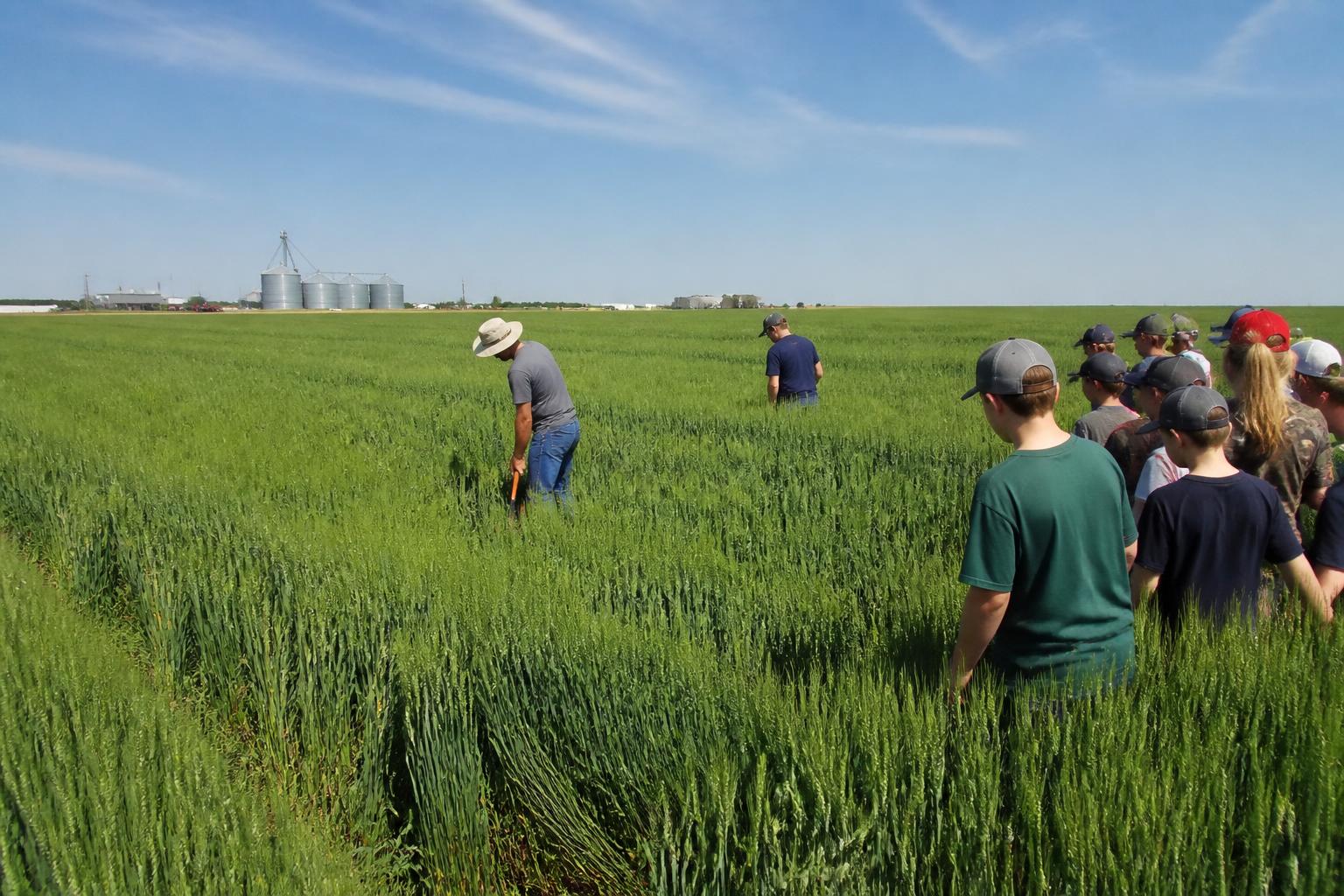
With the summer heat settling across Missouri, agricultural producers are navigating a delicate balance between maximizing crop yields and managing input expenses. In a region where fertile soils along the Missouri River valley and the Bootheel drive robust corn, soybean, and wheat production, nutrient management is increasingly under the microscope. Growers are examining how targeted fertilizer applications can protect their bottom lines while minimizing environmental runoff.
Following a volatile winter and spring growing season that brought unexpected temperature swings, the focus is shifting toward maximizing efficiency for the next crop cycle. As farm margins remain tight, Missouri producers are utilizing advanced soil testing and precision application methods to make every pound of nitrogen, phosphorus, and potassium count.
Evaluating the Cost of High Yields
In Missouri, the push for high-yielding crops has historically required intensive nutrient inputs. However, local conversations surrounding "the price of plenty" highlight the financial and environmental trade-offs of traditional fertilizer strategies. Excess nitrogen and phosphorus applications not only pinch tight operating margins but also increase the risk of nutrient runoff into local waterways and the Mississippi River basin.
To mitigate these risks, many producers are turning to split-nitrogen applications and variable-rate technology. These methods allow growers to apply nutrients exactly when and where the plants need them most. Amid intense input cost scrutiny, optimizing application timing ensures that investments are not lost to heavy summer rains or volatilization.
Fertilizer Planning for Wheat and Double-Crop Rotations
While summer crops are currently in full swing, planning for the next planting cycle is already underway. For growers preparing fields for fall-seeded winter wheat, nutrient management starts with a fresh soil test. Applying phosphorus in the fall is critical for early root development and winter survival, especially if dry conditions persist into the autumn months.
For operations balancing the fast-paced double-crop soybean rush, soil nutrient carryover must be carefully calculated. Key strategies for successful fall fertilization include:
- Targeted Placement: Banding phosphorus and potassium near the seed row rather than broadcasting can improve early-season nutrient uptake.
- Split Nitrogen Strategies: Limiting fall nitrogen applications and saving the bulk of nitrogen for a spring top-dress prevents leaching during wet winter periods.
- Soil pH Management: Keeping soil pH within the optimal 6.0 to 7.0 range maximizes the availability of existing nutrients in the soil profile.
State Leadership and Conservation Initiatives
The regulatory and educational landscape in Missouri continues to emphasize proactive conservation. Leadership shifts at the Missouri Department of Agriculture, with incoming director appointments, highlight a continued state-level focus on practical conservation and supporting the agricultural economy. Programs aimed at water quality encourage voluntary adoption of best management practices (BMPs) across Missouri counties.
Furthermore, innovative waste-to-energy and nutrient recycling projects, such as those implemented at Ruckman Farm in northern Missouri, showcase how agricultural operations can manage environmental footprints. These large-scale projects demonstrate how organic waste and manure can be effectively utilized as alternative nutrient sources, reducing reliance on commercial synthetic fertilizers while protecting local watersheds.
What it means for the market
For Missouri ag retailers, grain handlers, and producers, fertilizer management is no longer just about volume; it is about precision. In the current economic environment, buying fertilizer strategically and testing soil frequently will dictate farm profitability. As the state continues to refine its conservation goals, growers who adopt flexible, data-driven nutrient plans will be best positioned to maintain high yields without compromising local water resources.
Comments
No comments yet - be the first to share your take.