
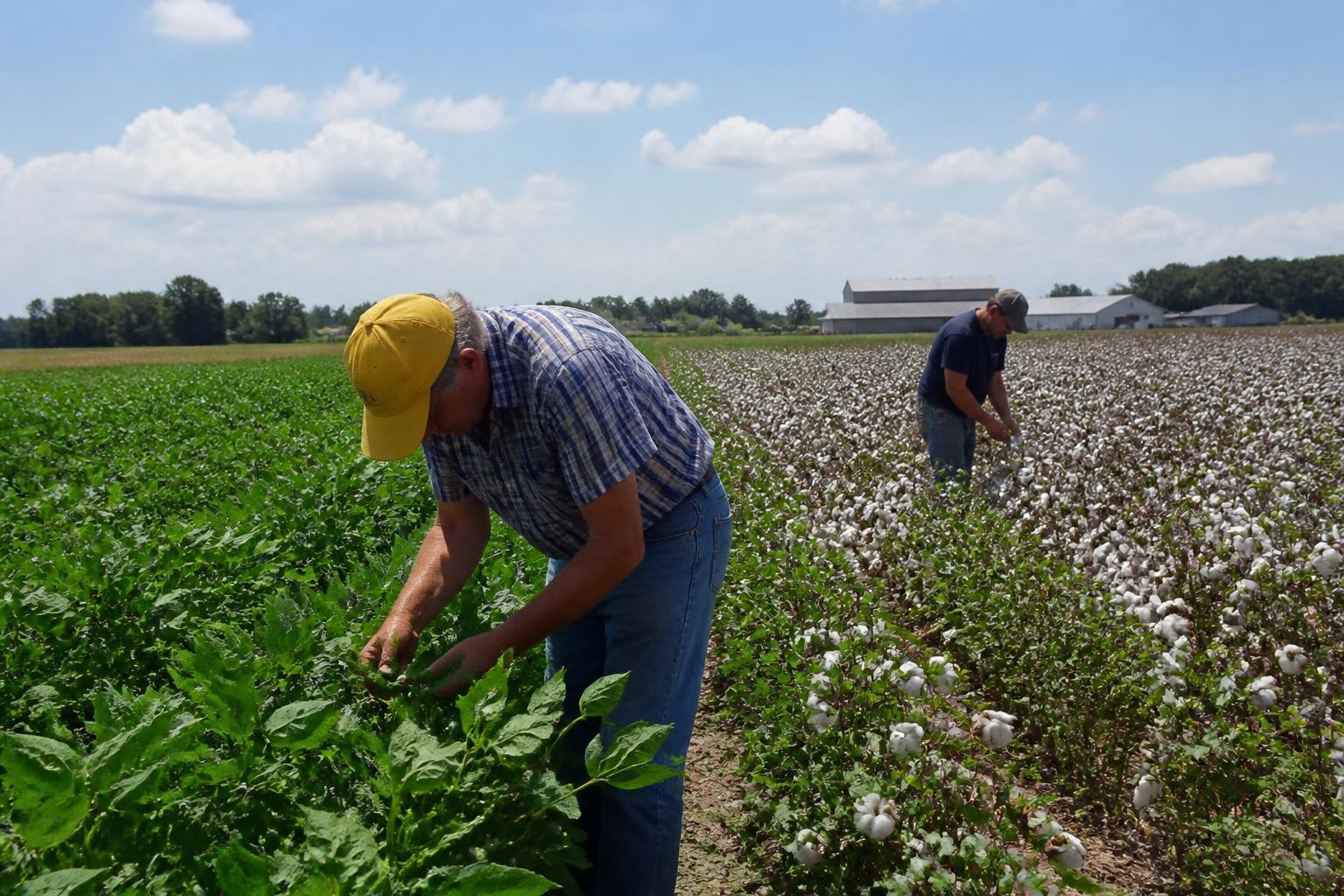
Mid-summer brings a high-stakes logistical dance for grain growers across Missouri. As the winter wheat harvest reaches its final stretch, particularly across the fertile soils of the Bootheel and central river valleys, the race is on to plant double-crop soybeans. This critical seasonal window requires precise field management and a keen eye on fluctuating local elevator bids.
Beyond the physical rush in the fields, Missouri producers are navigating a complex economic landscape. Ongoing international trade tensions continue to disrupt traditional export channels, forcing the local market to look inward. At the same time, regional demand drivers, such as the domestic biofuels sector, are stepping in to reshape how and where local crops are processed.
The Wheat-Soybean Double-Crop Strategy
For many Missouri farmers, double-cropping soybeans immediately following the winter wheat harvest is a proven method to maximize annual returns per acre. The success of this strategy hinges on speed and soil moisture. Getting the soybean seed in the ground immediately after the combine leaves the wheat field is essential to ensure the crop has enough summer heat and growing days before the first fall frost.
To pull this off, logistics must be seamless. Machinery must be ready, seed supplies must be positioned, and grain transportation to local elevators must be executed without delay. For growers tracking local cash bids during this busy transition, staying updated on grain buyers, sellers and prices in Missouri is essential for capturing late-season premiums and managing storage space.
Biofuels Provide a Buffer Against Global Trade Volatility
Export markets for Missouri soybeans have faced significant headwinds in recent years due to trade disputes, particularly with major buyers like China. These disruptions have historically uprooted long-term marketing plans and forced growers to seek alternative outlets. Fortunately, domestic demand is shifting to help absorb some of this supply.
A major driver of this shift is the ongoing legislative and industrial push for biodiesel within Missouri. Increased state-level support for biodiesel production provides a critical secondary market for soybean oil. By processing more oilseeds closer to home, Missouri processors can help stabilize local basis levels, reducing farmers' reliance on volatile international shipping lanes and river logistics.
Summer Weather and River Logistics
Mid-summer weather also introduces its own set of challenges. While warm temperatures accelerate crop development, prolonged dry spells can quickly stress newly planted double-crop soybeans. Furthermore, water levels along key transport corridors like the Mississippi and Missouri rivers dictate barge capacities and freight rates, directly influencing cash bids at river terminals.
Producers are advised to maintain flexible marketing plans that account for these sudden shifts in river logistics and regional weather patterns.
Key Takeaways for Missouri Grain Producers
- Prioritize planting speed: Minimize the days between wheat harvest and double-crop soybean planting to protect yield potential.
- Monitor local processor bids: With the push for domestic biodiesel, regional crushing facilities may offer competitive basis opportunities compared to export terminals.
- Watch river logistics: Keep a close eye on barge freight trends, as summer river levels can quickly restrict grain movement and pressure local prices.
What it means for the market
The Missouri grain market is increasingly defined by localized demand. While global trade policy and export disruptions will always influence baseline futures prices, local factors-like the state's biodiesel push and the success of the summer double-crop turnaround-will determine the actual profitability for Missouri growers this season. Maintaining strong relationships with regional buyers and utilizing flexible storage options will be key to managing risk through the remaining summer months.
Comments
No comments yet - be the first to share your take.