
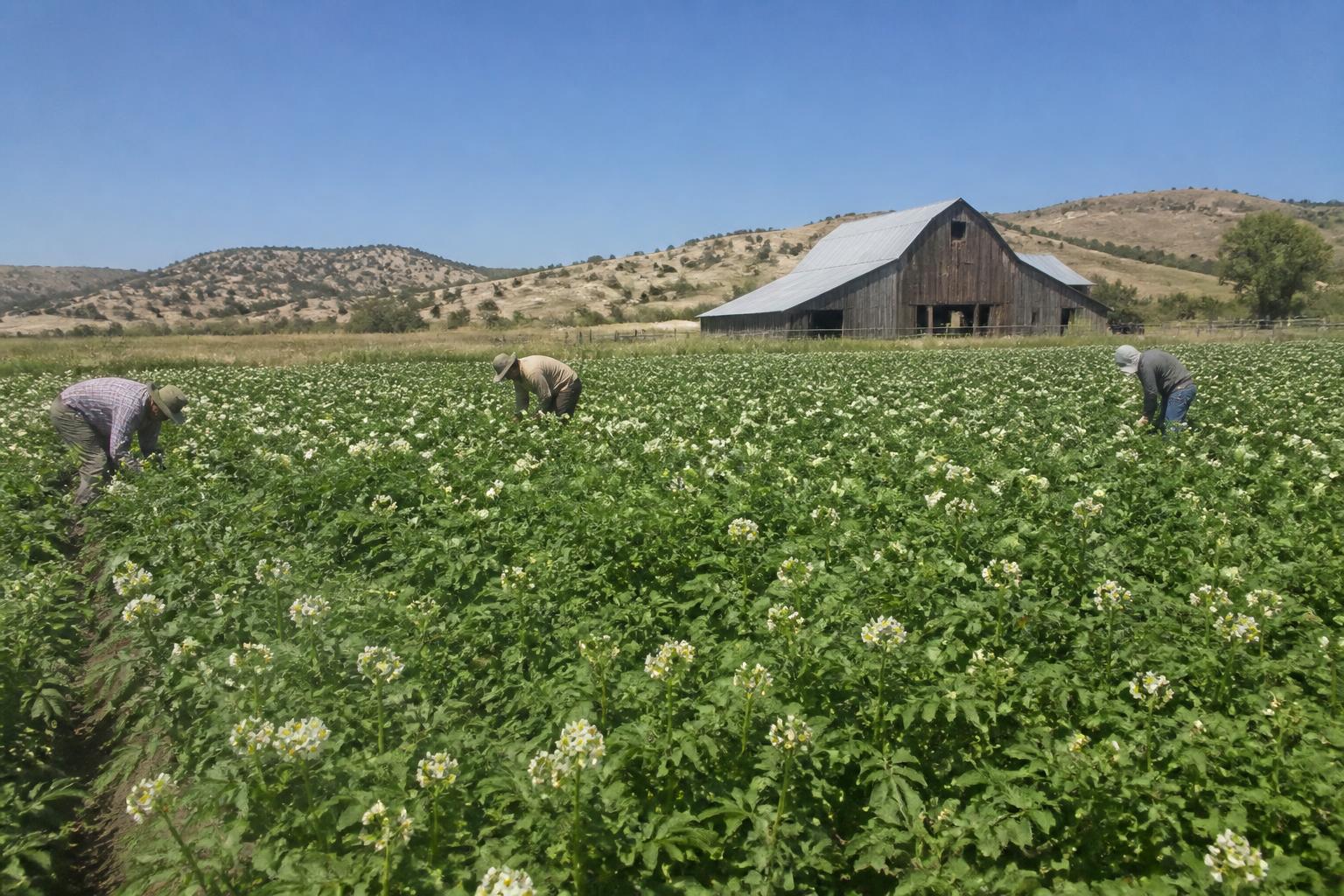
Idaho potato and row-crop growers are navigating a complex summer of crop protection shifts. As field operations hit peak seasonal activity across the Snake River Plain, agricultural producers find themselves at the intersection of critical biotechnology research, major antitrust legal battles, and aggressive policy debates over pesticide regulations. Balancing high operating costs with the necessity of keeping crops healthy is driving new management strategies from the Magic Valley to the northern panhandle.
With input prices remaining a significant challenge for family farms, the pressure is on to secure affordable crop protection products while protecting the yield and quality of the state's signature crop. From the laboratory to the courtroom, the decisions made this season will likely influence Idaho's ag chemicals market for years to come.
Fighting Potato Browning Through Joint Biotech Research
In a major development for the potato industry, the University of Idaho has partnered with the USDA-ARS (Agricultural Research Service) to launch a promising research initiative aimed at combatting potato browning. Enzymatic browning has long been a post-harvest headache for growers, processors, and fresh-pack shippers, frequently causing quality downgrades and food waste.
This scientific effort is exploring genetic and biotechnology-driven solutions to prevent dark discoloration when potatoes are cut or bruised during harvest and transport. By addressing this issue at the biological level, researchers hope to reduce the industry's reliance on chemical anti-browning treatments. For southern Idaho growers, these crop protection and biotechnology advancements could eventually translate into lower storage losses and stronger premiums at the packing house.
Antitrust Lawsuits and Pesticide Policy Battles
While researchers tackle crop quality in the lab, local growers are taking on the agricultural chemical supply chain in court. Farmers in the Rupert area have alleged significant harm by major agribusiness companies in an ongoing antitrust lawsuit. The litigation claims that anti-competitive practices among dominant players in the crop protection sector have artificially inflated the prices of essential herbicides, fungicides, and insecticides, squeezing tight farm margins even further.
Simultaneously, Idaho has become a primary target in a high-profile advocacy campaign. The initiative aims to protect pesticide manufacturers from certain product liability lawsuits, with proponents arguing that state-level liability protections are necessary to keep critical crop protection tools on the market. Opponents, including some consumer and farmworker advocacy groups, worry that shielding chemical manufacturers could limit local oversight. These regulatory battles complicate the adoption of standard conservation and crop protection strategies as farmers prepare for late-summer pest pressures.
Managing High Input Costs and Logistics
Idaho producers continue to face persistent economic headwinds. The cost of fuel, fertilizer, and crop protection chemicals remains high compared to historic averages, forcing farm managers to be highly selective with their spray programs. Every application must be justified by pest thresholds to maintain profitability.
Logistical efficiency is also critical during the summer spraying season. Transporting crop protection inputs to retail locations and directly to farms requires a reliable transportation network. Delays in receiving chemical applications during active pest outbreaks can quickly lead to irreversible crop damage, making it essential for growers to coordinate closely when navigating Idaho transport logistics to keep supply chains moving smoothly.
Key Takeaways for Idaho Growers
- Potato Browning Initiative: Joint research by the University of Idaho and USDA-ARS is targeting enzymatic browning, which could drastically reduce post-harvest waste.
- Antitrust Action: Rupert-area farmers are challenging major agribusiness suppliers over alleged anti-competitive market practices and inflated input pricing.
- Pesticide Legislation: National pesticide manufacturers are focusing lobbying efforts on Idaho to secure liability protections, a move that could reshape local chemical availability and pricing.
What it means for the market
For Idaho's crop protection market, the combination of legal friction, policy debates, and targeted research means growers must prepare for a more volatile input landscape. While biotechnology promises long-term relief from issues like potato browning, immediate relief from high input prices remains tied to the resolution of supply chain bottlenecks and antitrust challenges. Distributors and growers alike should monitor local policy developments and court rulings closely, as any shifts in manufacturer liability or market competition will directly impact chemical pricing and procurement strategies for the upcoming fall and spring seasons.
Comments
No comments yet - be the first to share your take.