
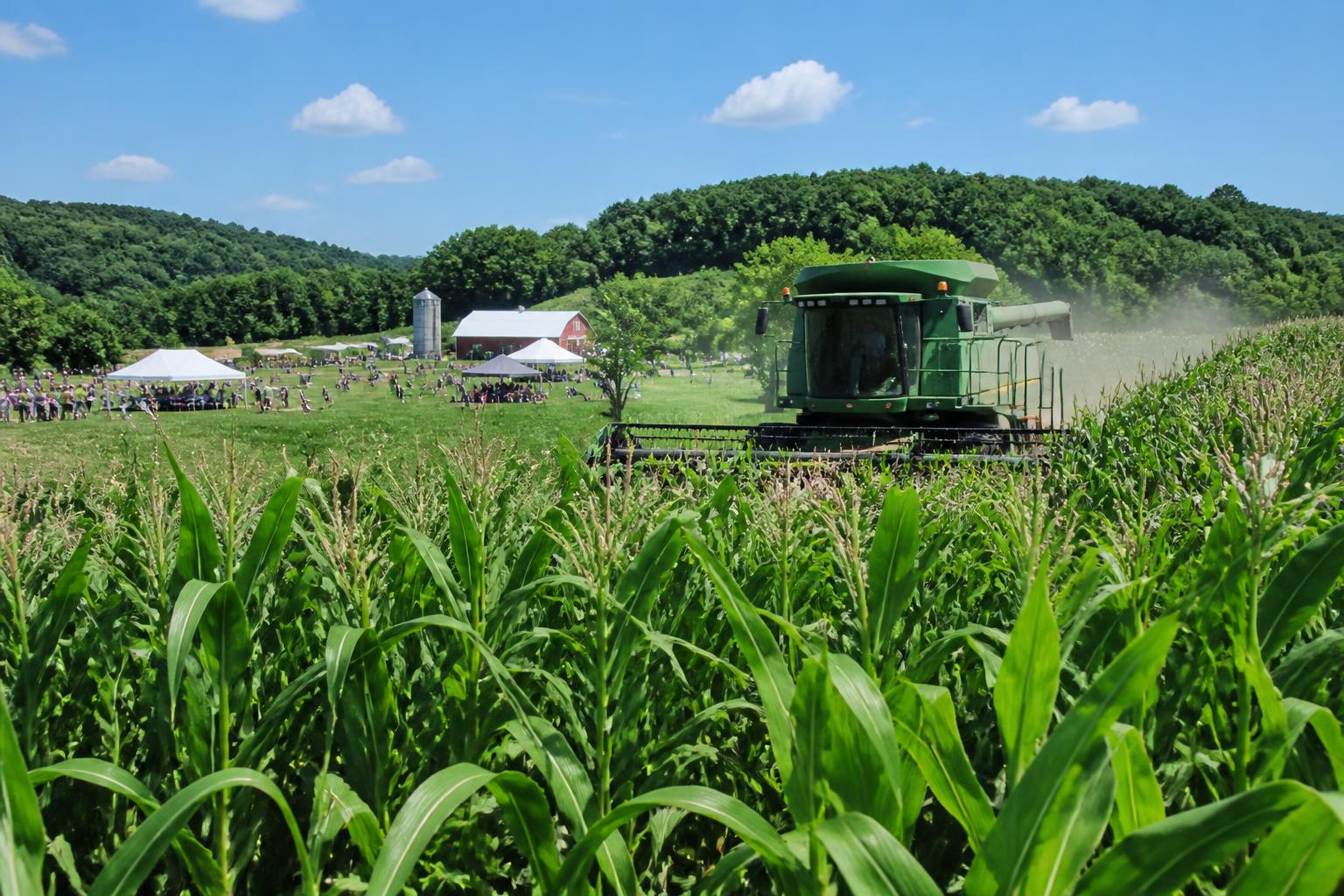
As the summer season reaches its peak in Pennsylvania, agricultural producers across the state are focusing on the critical balance between field management and supply chain readiness. With harvest cycles beginning to influence activity around local elevators and grain transit corridors, the ability to manage logistical constraints remains a top priority for farm operations and commercial handlers alike.
For many growers in regions like Lancaster and Chester County, where conservation and land preservation efforts remain central to long-term sustainability, maintaining efficient movement of goods is essential. This operational focus is particularly important as the state navigates a complex economic environment where local output, such as corn and winter wheat, must be positioned effectively to offset broader market pressures.
Logistics and Market Resilience
In various parts of the state, managing the flow of grain is becoming an exercise in precision. When regional planting timelines vary due to unpredictable weather, as seen recently in parts of Western Pennsylvania, the window for efficient transportation often narrows. Proactive engagement with regional grain handlers can help mitigate potential bottleneck risks during peak movement periods. Staying ahead of weather-induced delays remains a vital component of successful harvest logistics, requiring operators to keep close watch on equipment readiness and storage availability.
Furthermore, regional agribusinesses are continuously adjusting to broader market ripples. Whether dealing with shifting global demand or managing fluctuating supply chain costs, Pennsylvania farmers are demonstrating a commitment to operational efficiency. By leveraging state-of-the-art precision technology and maintaining strong ties with local markets, producers are working to ensure their yields remain competitive despite rising input and transportation hurdles.
Strategic Planning for the Season
Beyond the immediate logistics of the harvest, financial stability for many family-run farms often rests on how well they adapt to input cost challenges. Producers looking to optimize their margins should continue to monitor local trends in fertilizer and fuel availability. Accessing resources through programs like the Environmental Quality Incentives Program (EQIP) continues to be an avenue for managing costs while investing in conservation. As the season progresses, focusing on these sustainable practices may provide a buffer against the volatility currently seen in global agricultural trade.
What it means for the market
The current market environment demands a high level of agility from Pennsylvania producers. By focusing on regional logistics, prioritizing efficient storage utilization, and tapping into available state conservation resources, farmers can better position themselves to absorb the impacts of broader economic uncertainty and ensure their crops move steadily from the field to the end user.
Comments
No comments yet - be the first to share your take.