
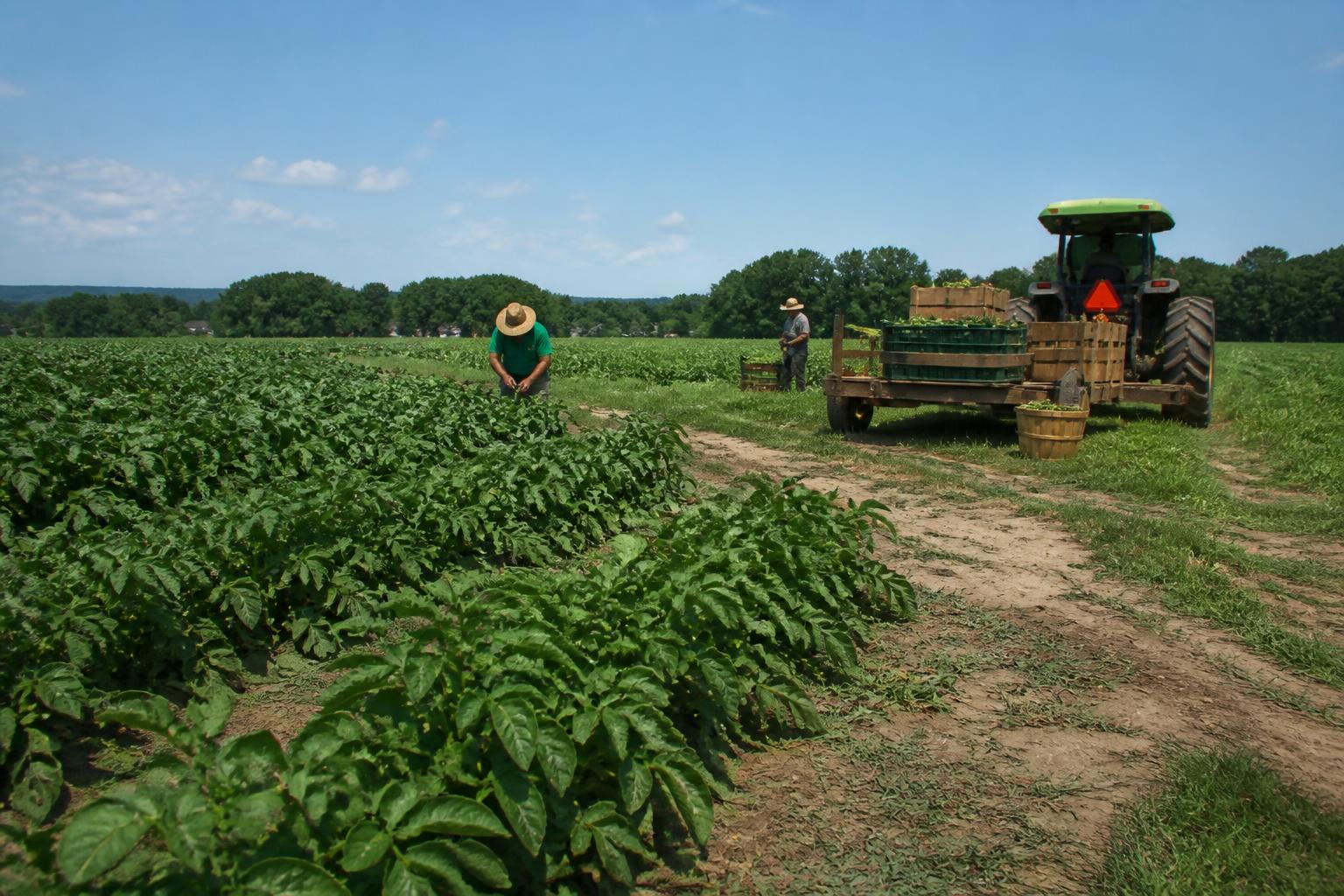
As the mid-summer season shifts into high gear across New York, producers in regions from the Finger Lakes to the Hudson Valley are recalibrating their operational budgets. The 2026 planting season has been defined by lingering volatility in input costs, particularly regarding fertilizer procurement. For many local operators, the challenge is not just availability, but the ongoing impact of global supply chain friction on bottom-line margins.
Navigating Fertilizer Price Volatility
Fertilizer expenses remain a top concern for New York agribusinesses, forcing a shift toward more precise nutrient management. While some relief has been observed through temporary adjustments in import duties on phosphate, the broader market remains sensitive to geopolitical trade shifts. Farmers are increasingly looking toward regional strategies to manage high nutrient costs, including leveraging state-level funding opportunities specifically designed to assist those burdened by tariff-related price hikes.
Precision and Protection in the Field
With crop protection being a priority during these warmer months, growers are balancing traditional chemical inputs with emerging technologies. The integration of precision agriculture—ranging from improved yield prediction models to advanced spraying techniques—is helping producers maximize the efficacy of every dollar spent on protection. As operations look to protect yield potential, the emphasis is moving toward methods that minimize waste while ensuring crop health throughout the critical summer growth phase.
Resource Stewardship
Beyond the ledger, the industry is increasingly focused on the intersection of field productivity and broader environmental stewardship. Whether it is through participating in state-certified programs that emphasize beekeeper registration or adjusting spatial management around emerging solar installations, New York farmers are diversifying their approaches to maintain farm viability. This multifaceted view of crop protection ensures that long-term land health is preserved alongside seasonal harvest goals.
What it means for the market
For New York grain handlers, carriers, and input suppliers, the remainder of the summer will likely be defined by cautious inventory management and a continued reliance on regional support programs. As farmers continue to look for ways to optimize their input ROI, transparency in pricing and the availability of local, cost-effective resource alternatives will be the primary drivers of trade efficiency through the harvest period.
Comments
No comments yet - be the first to share your take.