
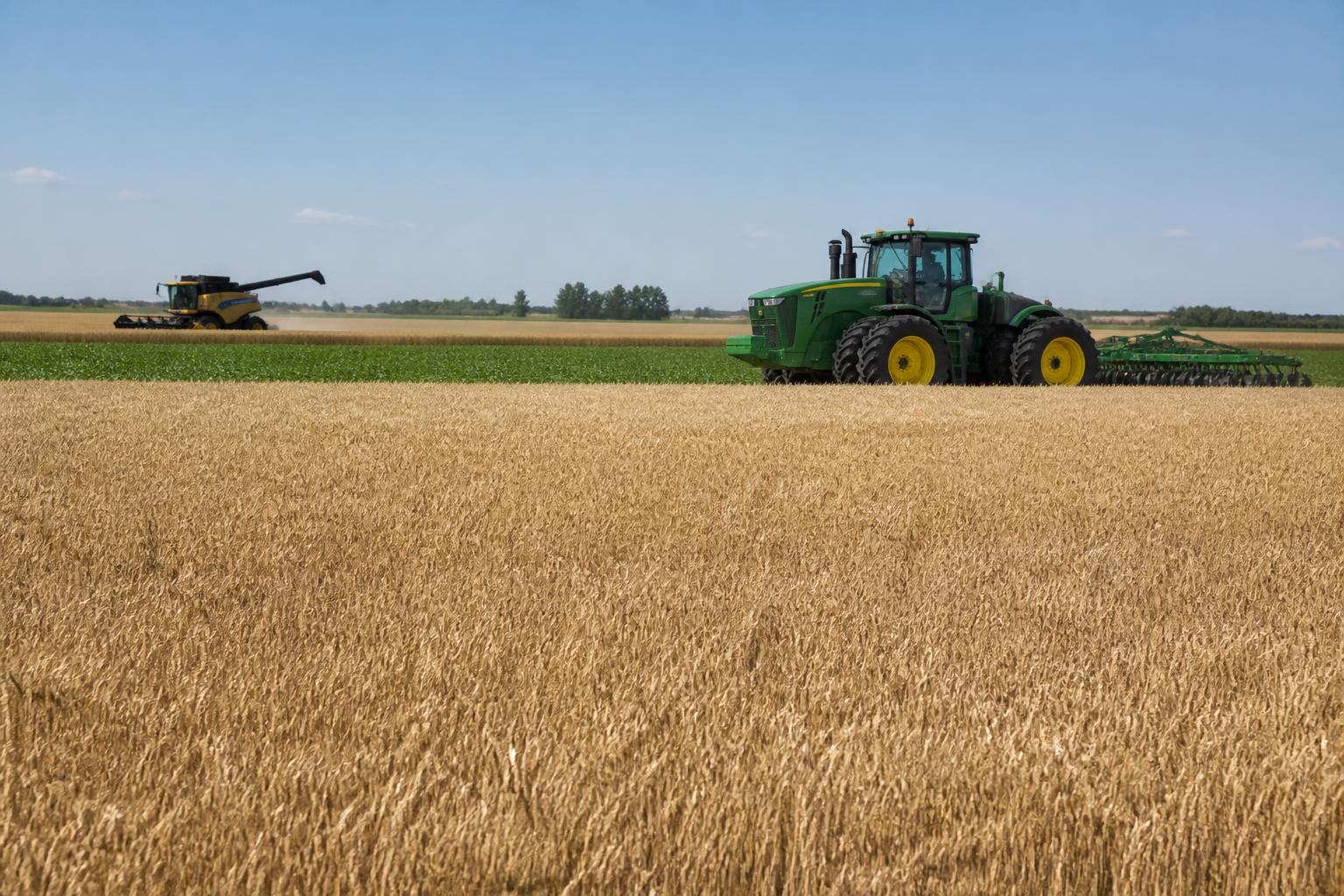
As Oklahoma enters the latter half of the summer season, the agricultural landscape remains defined by a complex interplay of environmental factors and shifting market dynamics. Producers and grain handlers across the state are contending with ongoing variability in crop quality and price sensitivity, forcing a re-evaluation of post-harvest management and storage tactics.
For many operators, the priority has shifted toward managing grain quality and logistics in a climate where price fluctuations and supply chain pressures are persistent. Strategic investments in local infrastructure, such as enhanced elevator capabilities, continue to play a pivotal role in ensuring that regional supply chains remain resilient despite broader volatility.
Navigating Market Pressures
Market analysts continue to monitor how geopolitical influences and domestic supply trends impact local pricing. For Oklahoma farmers, these external forces often translate into increased necessity for precise inventory management. As discussed in recent insights on optimizing grain logistics, the ability to move grain efficiently remains a cornerstone of profitability during periods of unpredictable demand.
Beyond logistics, the integration of new technology continues to offer a buffer against some operational risks. While some producers focus on precision spraying to reduce input waste, others are looking toward longer-term solutions in seed development and soil management to mitigate the effects of moisture stress and varying soil conditions often found in the Southern Plains.
What it means for the market
For agribusinesses and grain handlers in Oklahoma, the current environment necessitates a proactive approach to risk management. As harvest cycles progress and seasonal transitions approach, the focus remains on leveraging improved storage infrastructure and data-driven logistics to offset the impact of market uncertainty, ensuring that local grain maintains its competitive position in the broader U.S. supply chain.
Comments
No comments yet - be the first to share your take.