
Navigating Recovery and Federal Support
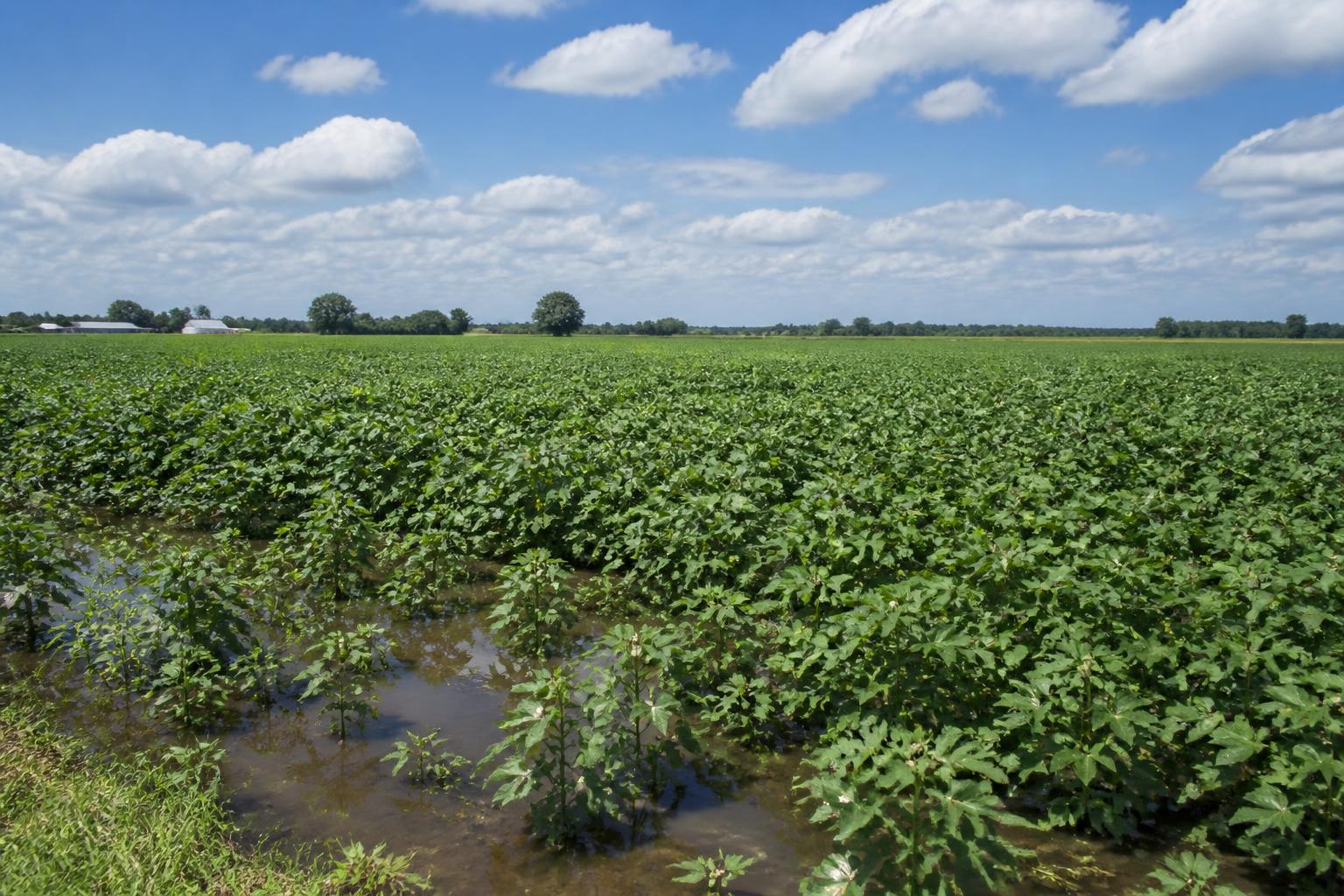
Following recent flooding events across Louisiana, many agricultural producers are currently evaluating the scope of damage to their operations. The USDA has opened avenues for disaster assistance, aiming to provide a financial cushion for those working through the aftermath of excessive water in key growing regions. For operators in parishes where fields were inundated, documenting damage remains a critical first step toward accessing available federal support programs designed to mitigate seasonal production losses.
Assessing the full impact on local fields requires careful coordination with local Farm Service Agency offices. Producers should focus on maintaining clear records of crop health and infrastructure damage to ensure they are positioned to utilize available resources as they move through the remainder of the summer season. You can learn more about managing pathogen pressure amid moisture challenges to protect remaining yields as the humidity lingers.
Cotton Base Acreage Adjustments
Beyond weather recovery, policy developments regarding cotton production are drawing attention. New opportunities for producers to restore unassigned base acres are currently on the radar, offering a potential shift in how some operations manage their land eligibility. Understanding these nuances in farm bill implementation is essential for long-term planning, particularly as growers compare the risk profiles of various commodities in the current market environment.
As these regulatory updates roll out, it is an opportune time for farmers to audit their current crop protection and land management strategies. Staying ahead of these shifts is vital for maintaining margins in a volatile sector. For more insights on current challenges, you may want to review our latest report on managing emerging pest and input challenges across the state.
Key Takeaways for Producers
- Prioritize documentation of field damage for potential USDA disaster assistance.
- Consult with local specialists regarding the eligibility criteria for restoring unassigned cotton base acres.
- Monitor the long-term impact of summer moisture on field conditions and potential input requirements.
- Stay informed on evolving seasonal pressure updates to optimize protection strategies during the final stretch of the season.
What it means for the market: The combination of weather-related yield uncertainty and shifting land-use policy suggests that Louisiana producers face a complex second half of the year. While disaster assistance provides a necessary lifeline for impacted acreage, the ability to capitalize on restored base acres could influence future planting decisions and regional land-use trends. Maintaining operational flexibility and clear communication with federal and local support networks will be a defining factor for success in the coming months.
Comments
No comments yet - be the first to share your take.