
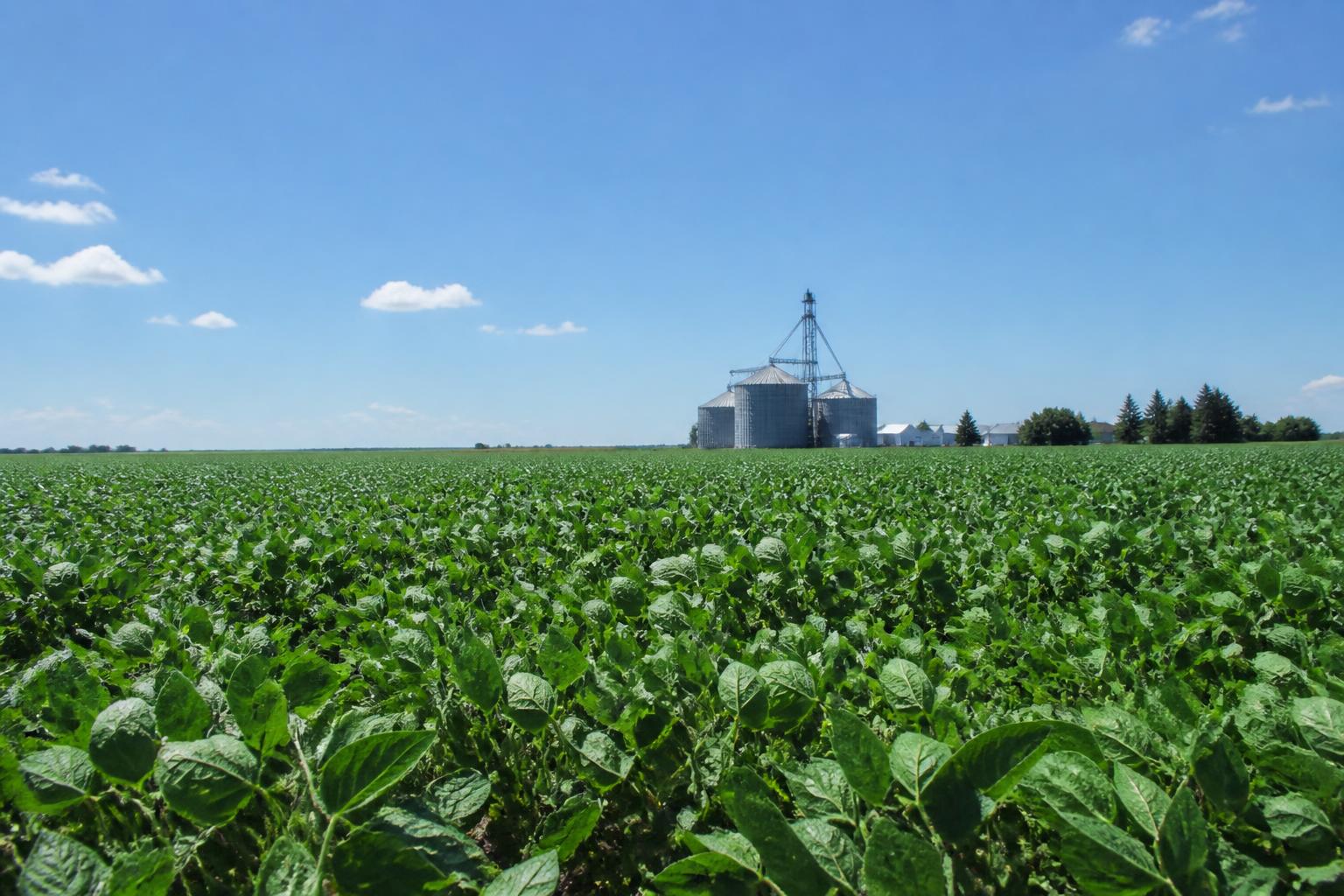
The North Dakota grain landscape is undergoing a period of transition as mid-summer operations intensify. Following recent industry shifts, such as the acquisition of the Beach Cooperative Grain Company by The Arthur Companies, local grain handlers and farmers are evaluating how footprint consolidation affects regional delivery points. For producers in western North Dakota, these infrastructure adjustments can influence decision-making regarding long-term storage and local basis levels.
Maintaining an efficient flow remains a priority as the industry looks to address long-standing challenges in navigating ag transport and logistics. While infrastructure upgrades continue across the state, farmers are encouraged to review their local delivery options early in the season. Keeping a close watch on how these regional grain market developments impact daily operations can help protect margins as we look toward the fall harvest.
Adapting to Evolving Supply Chain Dynamics
Market participants often monitor shifts in processing and transport capacity to anticipate potential bottlenecks. As new facilities, including those tied to renewable energy initiatives, integrate into the local supply chain, the demand for timely grain movement can fluctuate. Producers who remain proactive about monitoring local basis volatility—often discussed as a key tool for leveraging marketing strategies—may find themselves better positioned to manage inventory throughout the busy harvest months.
Key Takeaways
- Asset Consolidation: Recent acquisitions in the cooperative space may change regional storage availability; verify your nearest delivery points.
- Logistics Planning: Even with summer, monitoring rail and transport updates is essential to avoid surprises during the high-pressure fall delivery window.
- Market Tools: Utilize available grain marketing resources to mitigate risks associated with shifting local basis and broader supply chain variables.
What it means for the market: Producers should treat this summer as a critical window to assess their grain handling logistics. By understanding how recent infrastructure changes and transport updates impact their specific region, farmers can better prepare for a smooth harvest, ensuring that local capacity aligns with their production goals.
Comments
No comments yet - be the first to share your take.