
As mid-summer arrives in North Dakota, grain producers and elevator managers are navigating a complex marketing environment. High volatility, international trade shifts, and local elevator security are forcing operators to re-evaluate their selling strategies. Navigating these dynamics requires both traditional risk-management tools and a keen eye on regional competitors.
Mitigating Risk with CCC Loans and Secure Trading
With cash flow top of mind for growers in counties across North Dakota, Commodity Credit Corporation (CCC) marketing assistance loans are gaining renewed attention. These loans provide critical marketing flexibility, allowing farmers to secure interim financing at harvest rather than being forced to sell during seasonal price lows. This financial cushion is particularly crucial following recent industry disruptions, such as the bankruptcy of a Nebraska grain dealer that left several North Dakota growers facing financial uncertainty.
In light of these supply chain risks, verifying the financial health of marketing partners is essential. Growers can check local options and track regional pricing using tools that map out trusted grain buyers, sellers, and prices in North Dakota. Ensuring secure transaction channels remains a top priority as the region prepares for the upcoming harvest season.
Canadian Acreage Shifts and Spring Wheat Pressures
Regional grain markets are also preparing for potential impacts from shifting trade policies. In Canada, proposed tariffs on canola are expected to supercharge a shift toward spring wheat among Canadian growers. Because North Dakota is a primary producer of high-quality spring wheat, a massive influx of Canadian wheat acreage could significantly alter the local basis and export dynamics across the Northern Plains.
Local elevators along major rail corridors must watch these cross-border developments closely. While Canadian crop adjustments may not impact the immediate summer wheat market, they will likely shape forward-contracting opportunities for the fall and winter seasons.
Low-Carbon Corn and Local Input Realities
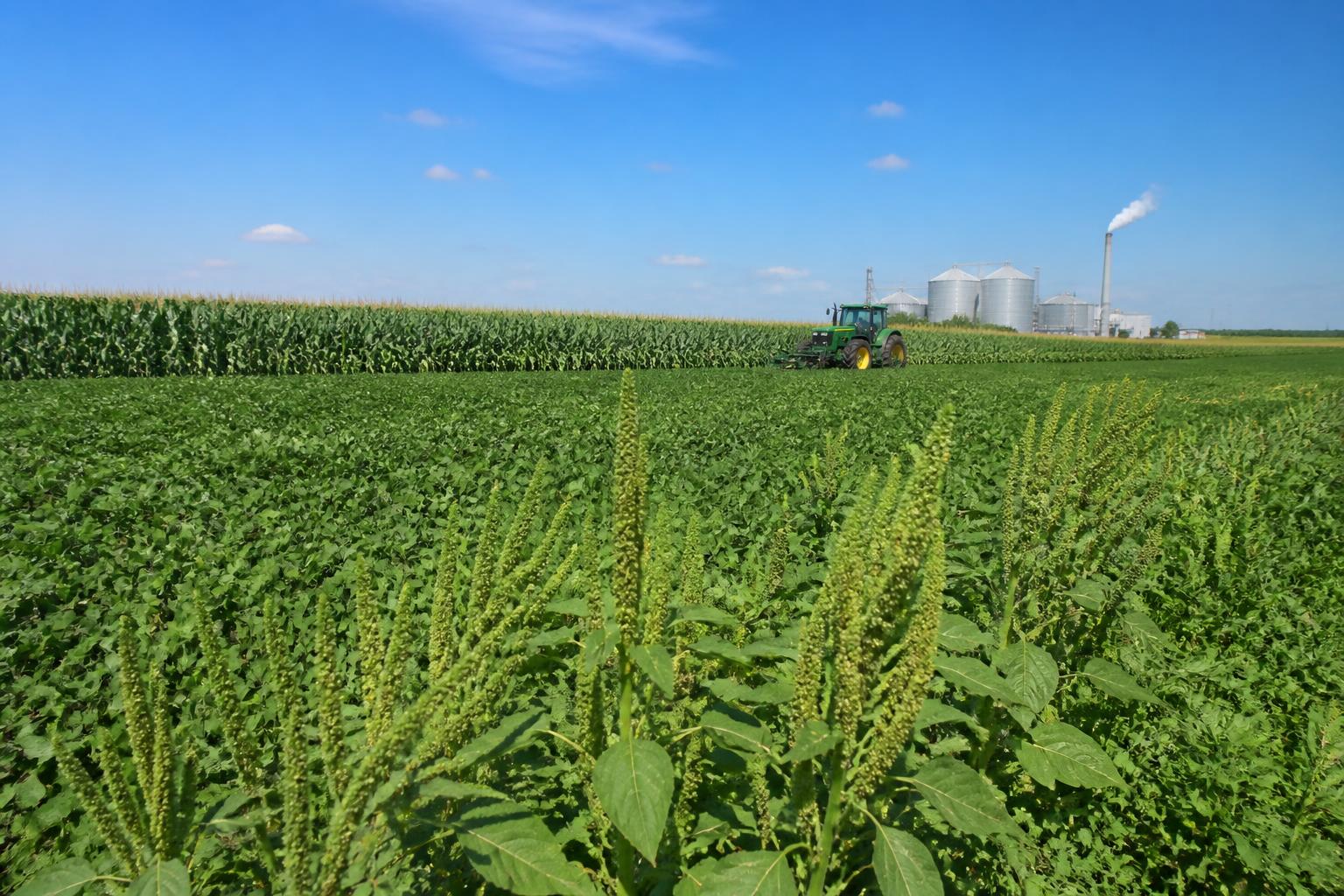
On the grain-processing front, new partnerships are emerging to support the production of low-carbon corn specifically tailored for regional ethanol plants. This focus on sustainable supply chains highlights a long-term shift toward premium-value grain contracts. However, local production logistics still face headwinds. The recent decision by NextEra to withdraw its plans for a fertilizer plant in the Spiritwood area means North Dakota growers will continue to rely heavily on national and international supply chains for their nitrogen needs, keeping input cost volatility in play.
What it means for the market
For North Dakota agribusinesses, this summer demands high marketing vigilance. Growers should utilize CCC loans to avoid selling into early-harvest lows, particularly with the threat of increased regional spring wheat competition from Canada. Securing grain contracts with verified, financially stable buyers and exploring emerging low-carbon corn programs will be the key to maintaining profitability through the season.
Comments
No comments yet - be the first to share your take.