
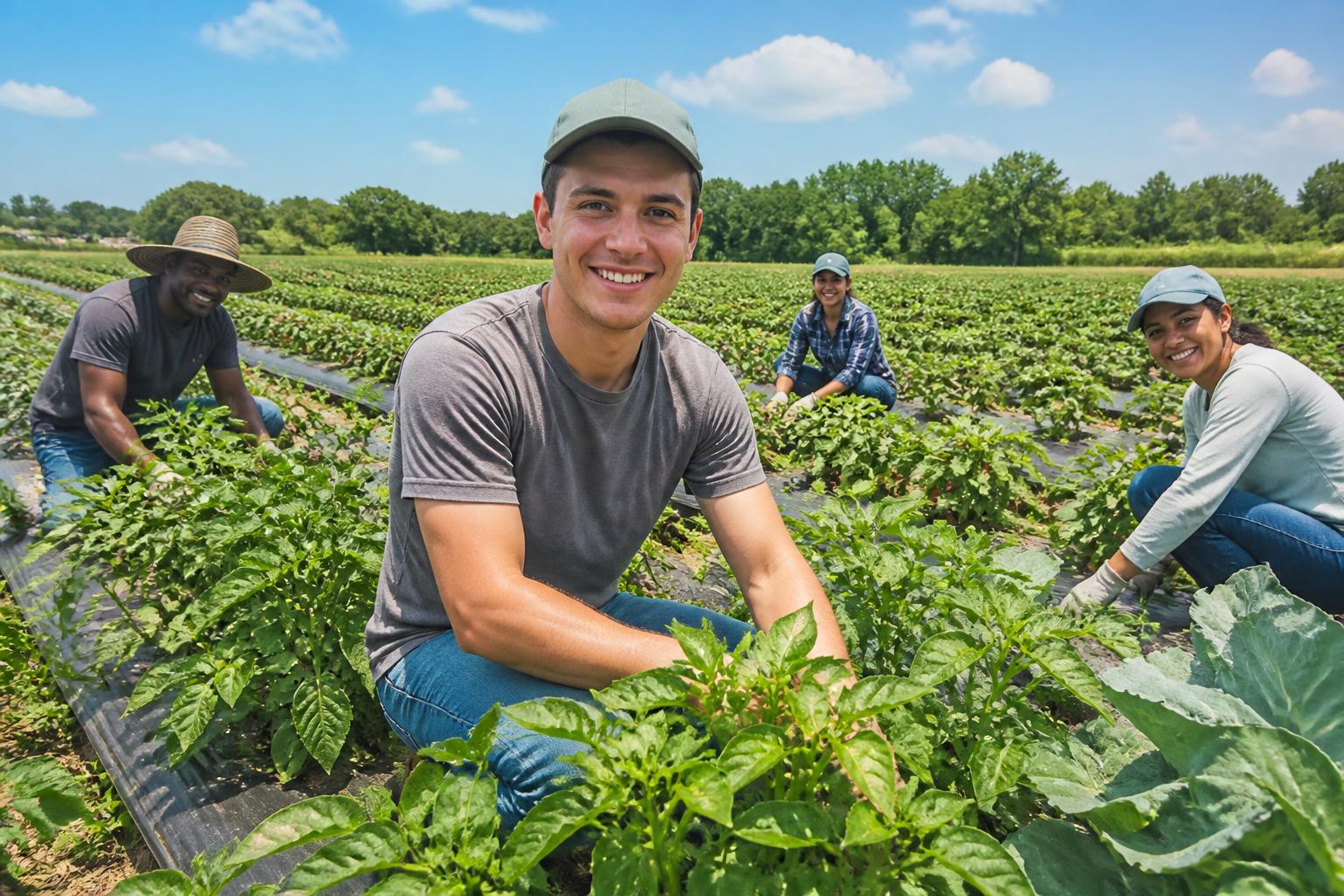
Mid-summer in Wisconsin brings a unique set of challenges for local grain handlers and producers. As the state moves further into the growing season, the focus shifts toward managing equipment performance and preparing for harvest-related logistics. While the agricultural landscape remains resilient, producers are balancing traditional farming practices with an evolving need for efficiency in transport and storage.
Operational Efficiency in the Heartland
For many family operations, success continues to hinge on strategic human capital management and streamlined logistics. Whether navigating the complexities of local grain buyers, sellers and prices in Wisconsin or coordinating movement across state highways, operators are finding that flexibility is key to managing thin margins. In regions like the central corridor, grain facilities are often refining their intake workflows to account for summer traffic patterns, ensuring that space is ready before the first trucks arrive at the scales.
Weather Impacts and Market Context
Current seasonal conditions serve as a reminder of how environmental factors can dictate the pace of the year. From fluctuating soil moisture levels to the need for proactive cooling in grain bins during high-heat periods, the Wisconsin grain markets face steamy July weather that demands constant vigilance. These environmental nuances can influence everything from crop quality to the speed of field operations as farmers look ahead toward the later months.
Key Takeaways for Producers
- Prioritize early-season equipment maintenance to mitigate downtime during peak haul windows.
- Review current storage capacity and drying capabilities to address moisture management in humid conditions.
- Stay aligned with local facility schedules, as regional throughput requirements can fluctuate rapidly during summer.
What it means for the market: The current period of summer stability provides a window for producers to tighten logistics and manage storage inventory. With market dynamics frequently shifting, maintaining strong relationships with local handlers and staying informed on regional transport bottlenecks will be essential as the industry moves toward fall.
Comments
No comments yet - be the first to share your take.