
Mid-season nutrient management remains a critical focus for Ohio producers as they balance ongoing soil health requirements with shifting market conditions. While the industry continues to monitor global pricing pressures and supply chain dynamics, regional developments in manufacturing are providing new avenues for localized input availability.
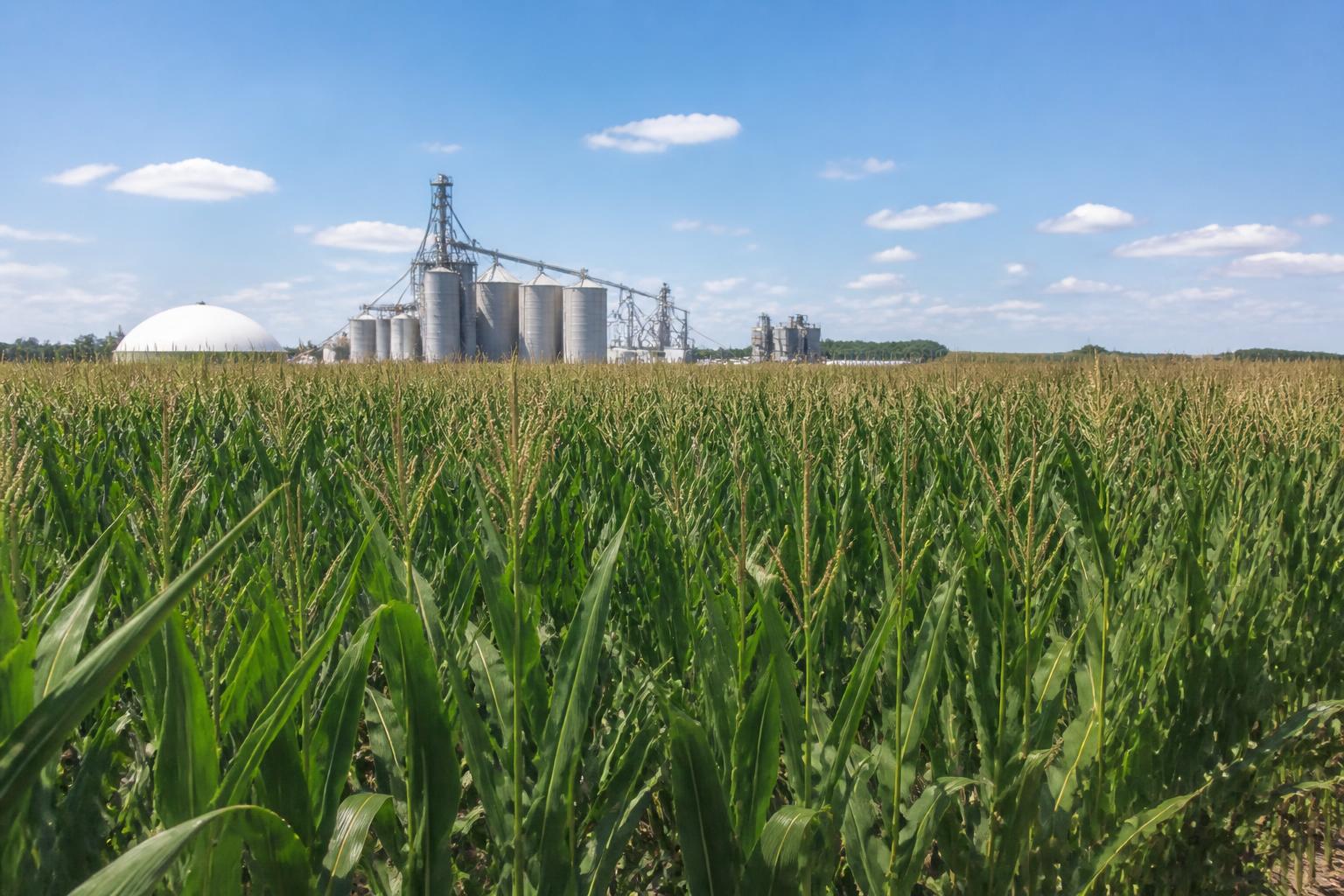
Recent capital investments in production infrastructure, such as the facility expansion in Defiance, highlight a push toward increased domestic capacity. These improvements in the local supply chain can provide growers with more reliable access to essential inputs, potentially helping to mitigate some of the logistics hurdles that often affect price volatility for Ohio fertilizer buyers. Enhanced regional manufacturing is frequently viewed as a strategic advantage for farmers looking to streamline their procurement process during peak operational windows.
Regulatory Updates and Trade Impact
The agricultural sector recently saw a significant development with the suspension of certain fertilizer duties. Organizations representing corn and wheat growers have expressed support for this move, noting that it may alleviate some of the cost burdens that have challenged farm profitability. For operators managing inputs, this regulatory shift could influence upcoming purchasing strategies as the industry prepares for fall application and looks ahead to the next growing season.
Managing On-Farm Efficiency
Beyond external market factors, the focus remains on internal efficiency. From utilizing variable-rate application technology to addressing specific soil concerns like nematode pressure, Ohio farmers are increasingly leveraging precision tools to maximize their return on investment. Efficient application ensures that every unit of fertilizer is utilized effectively, which is particularly important as producers remain cautious about overall input spending in a fluctuating commodity market.
What it means for the market
The combination of new local production capabilities and eased import constraints offers a cautious sense of optimism for Ohio growers. While global price influences persist, the emphasis on local availability and tactical precision application remains the primary strategy for managing input costs effectively throughout the summer months.
Comments
No comments yet - be the first to share your take.