
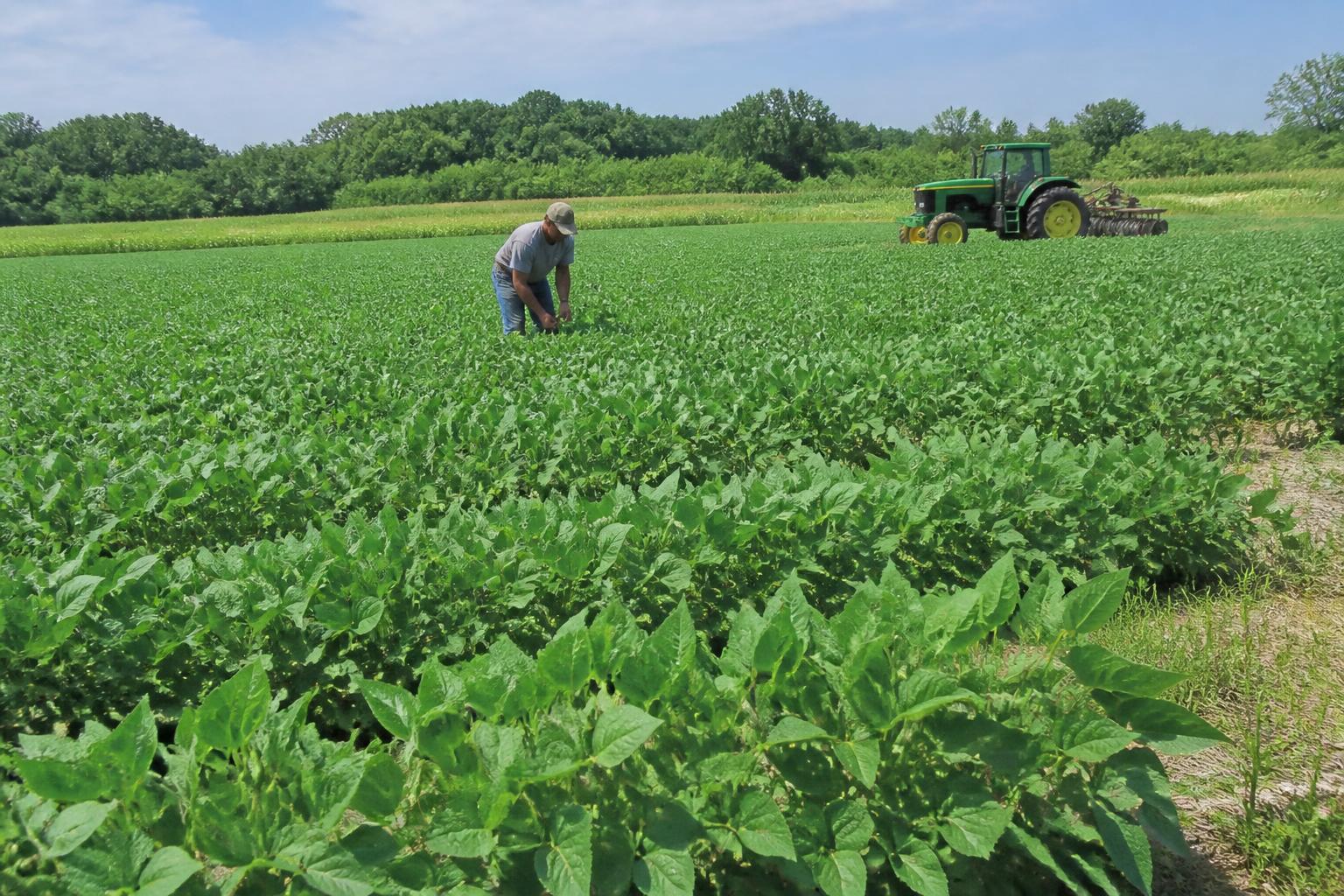
As we move through mid-July, the agricultural landscape in Connecticut reflects both the broader momentum of the national grain markets and the specific environmental challenges facing our local growers. Recent weeks have shown notable volatility in commodity pricing, with soybeans displaying resilience by cracking the $12 threshold in early July trading. This upward trend in soy, alongside recent gains in wheat, provides a critical data point for Connecticut producers looking to hedge or finalize their mid-summer marketing strategies.
Navigating Environmental Challenges
The current summer heat wave has placed increased pressure on farm operations throughout the state, from the coastal regions of Milford to our inland growing areas. Maintaining consistent yields during these periods of high thermal stress often requires enhanced moisture management and the adoption of specialized agricultural techniques. For those interested in how producers are balancing these stressors with long-term crop protection, it is vital to stay informed on mid-summer trends and planning as they relate to regional market shifts.
Research and Innovation in the Field
Connecticut remains at the forefront of agricultural evolution. The ongoing work at the State's Agricultural Experiment Station continues to provide foundational research that supports local viability. Furthermore, recent breakthroughs in transgene-free gene editing and the development of protective seed coatings designed to combat drought conditions offer a glimpse into the future of resilient farming practices. These scientific advancements, coupled with the resurgence of niche crops like hops on local acreage, are essential components in diversifying the state's agricultural portfolio.
What it means for the market
For Connecticut grain handlers, input buyers, and carriers, the current market strength signals a need for cautious optimism. While national commodity prices show signs of recovery, the combination of regional climate challenges and evolving crop technology suggests that operational flexibility will be a key differentiator this season. Producers should keep a close watch on late-summer supply chain indicators, as transportation logistics and storage capacity continue to play a pivotal role in maintaining margins during this period of price volatility.
Comments
No comments yet - be the first to share your take.