
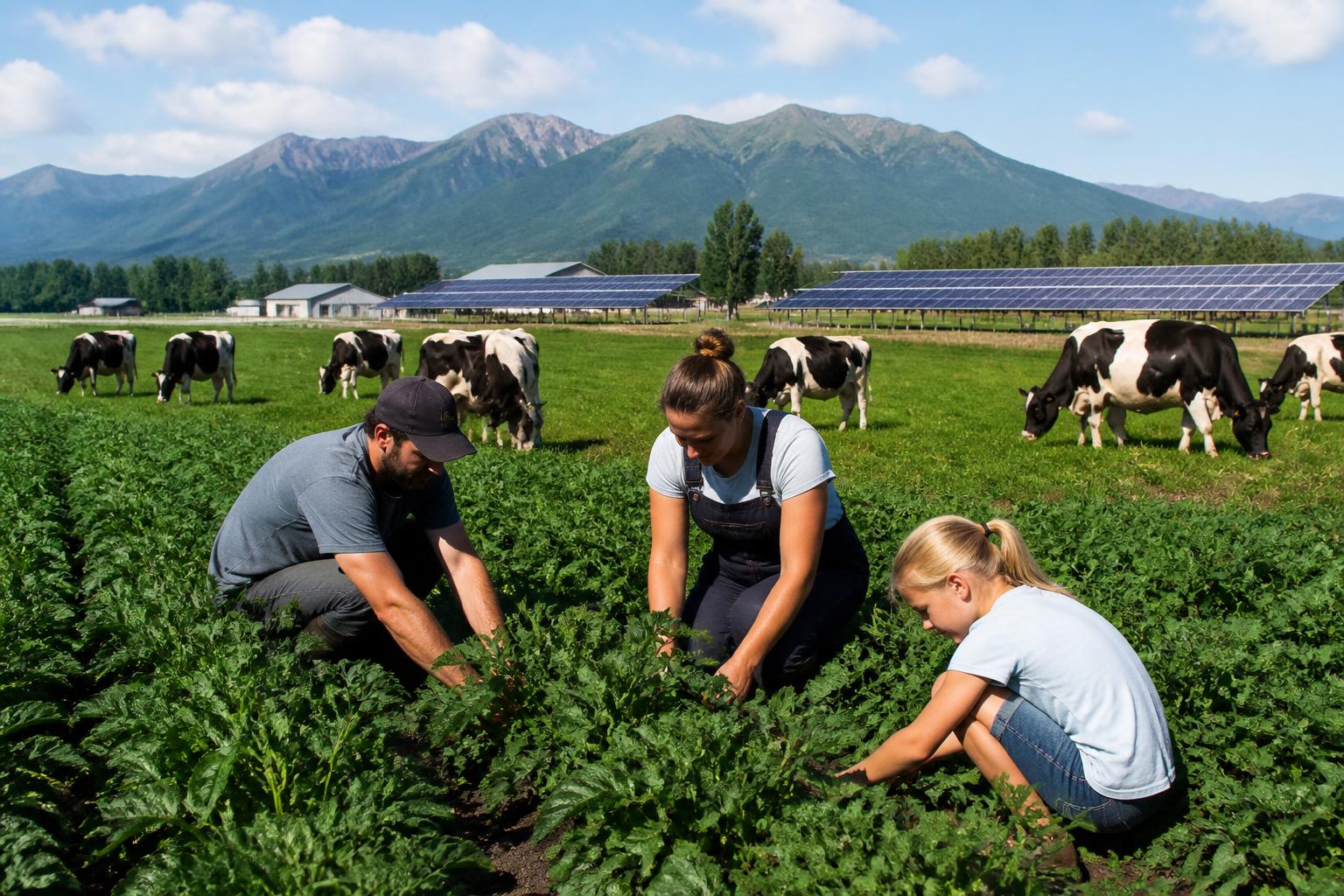
Mid-July marks a critical juncture for agricultural operations across Alaska. With the summer season in full swing, producers from the Matanuska-Susitna Valley to the Interior are navigating the unique pressures of high-latitude farming. Whether managing specialized dairy operations or tending to smaller-scale grain and forage production, the focus remains on maximizing yields during these long, daylight-rich weeks.
Efficiency in this environment often depends on long-term resource management and adaptability. As producers explore new avenues for food security, many are finding that integrating sustainable practices can provide a buffer against the volatility of the northern climate. For those looking to optimize their output, staying informed on current grain market trends is an essential part of the business cycle.
Building Resilience in a Unique Climate
The challenges facing Alaska's producers extend beyond simple weather patterns. While the state has historically faced a unique set of logistical constraints, current industry efforts are increasingly focused on "climate-smart" initiatives. These programs are aimed at helping farms better manage soil health and operational efficiency, which can be particularly vital when managing complex soil and crop protection requirements during the height of the summer growth window.
Furthermore, the infrastructure supporting agricultural logistics remains a persistent topic for those involved in the supply chain. From the dairy sector to specialized forage production, the ability to move goods efficiently to local markets is often cited as a key factor in long-term viability. As regional hubs continue to look for ways to streamline connectivity, the potential for collaborative, partner-based approaches to logistics continues to grow.
What it means for the market
For grain handlers and agribusiness owners, the current season emphasizes the importance of localized supply chains. As interest in Alaska-grown products gains momentum, aligning operational logistics with sustainable, tech-supported growing methods may offer a competitive edge. Producers who can successfully balance these technical inputs with market demand are best positioned to navigate the complexities of the Last Frontier's agricultural sector throughout the remainder of the summer months.
Comments
No comments yet - be the first to share your take.